
Last updated October 30, 2026
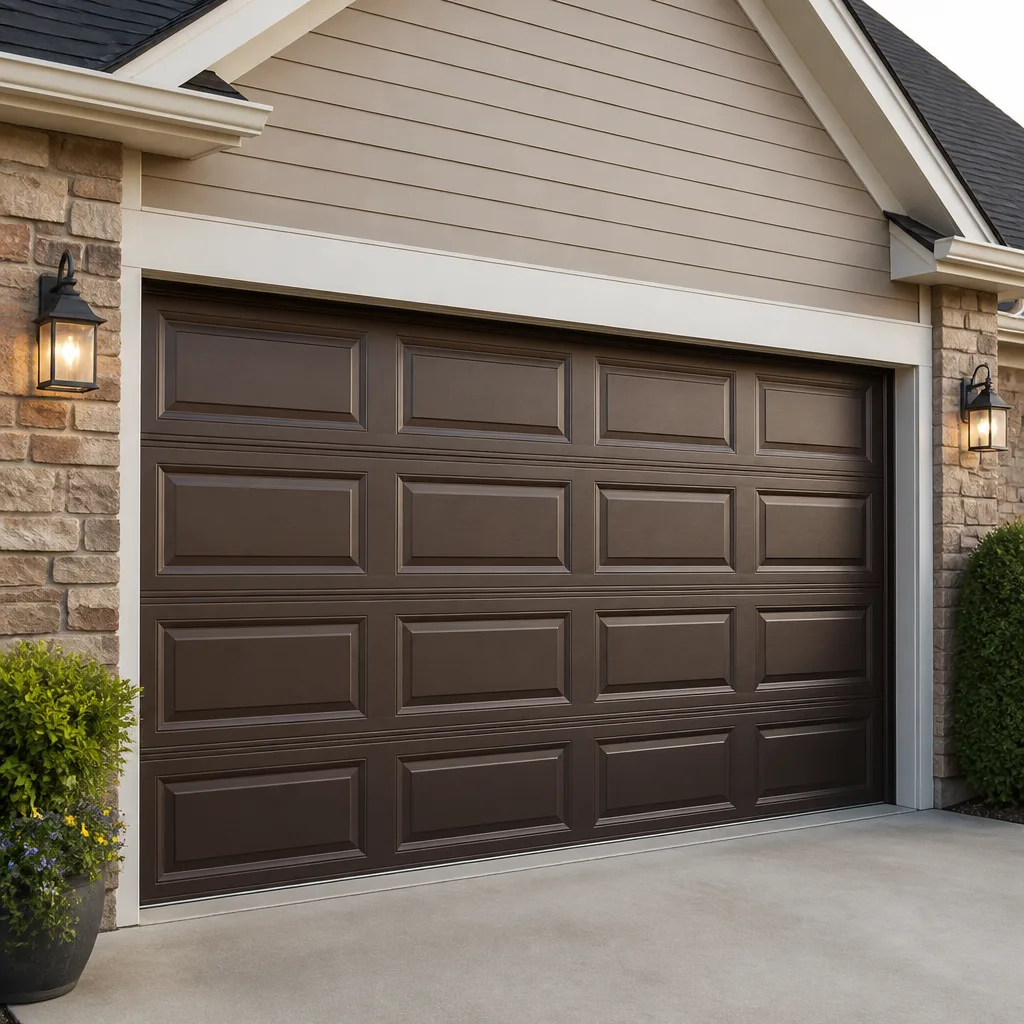 Raised-panel steel
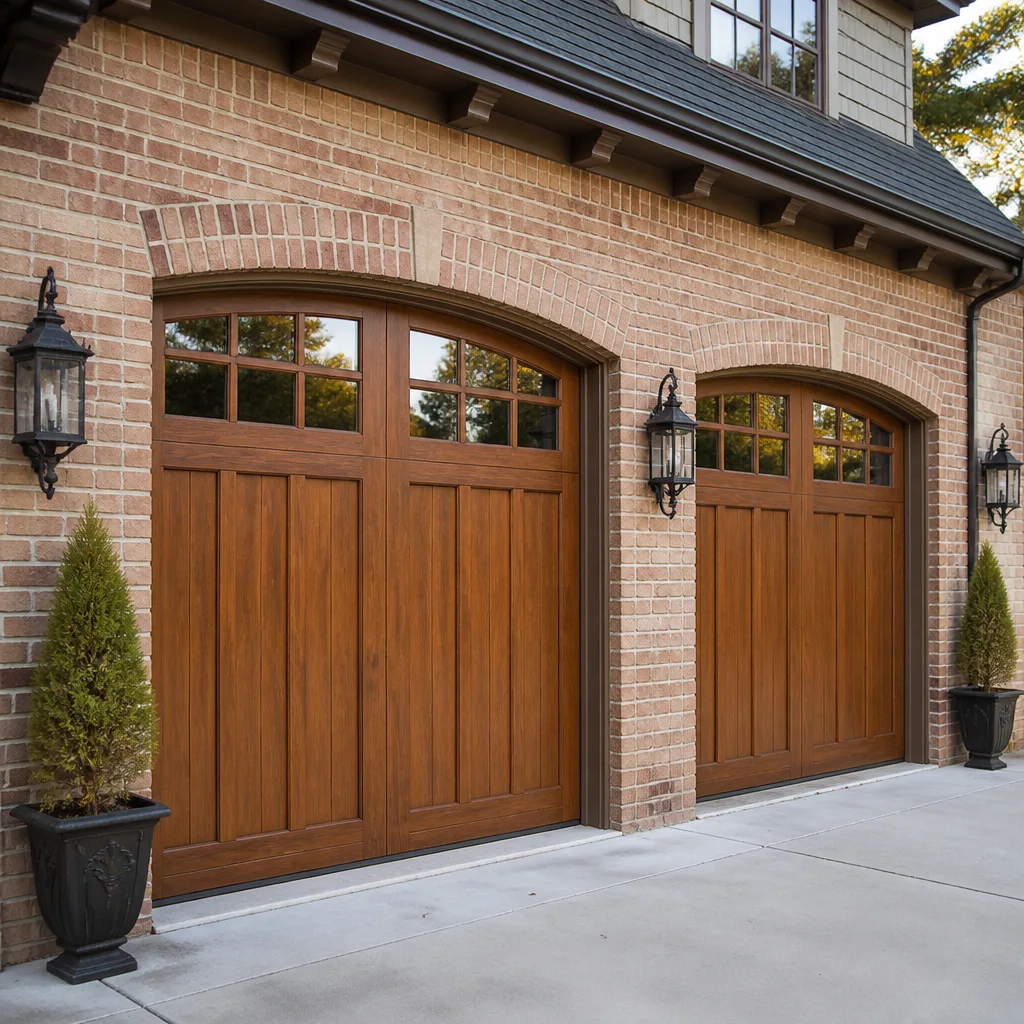 Carriage house
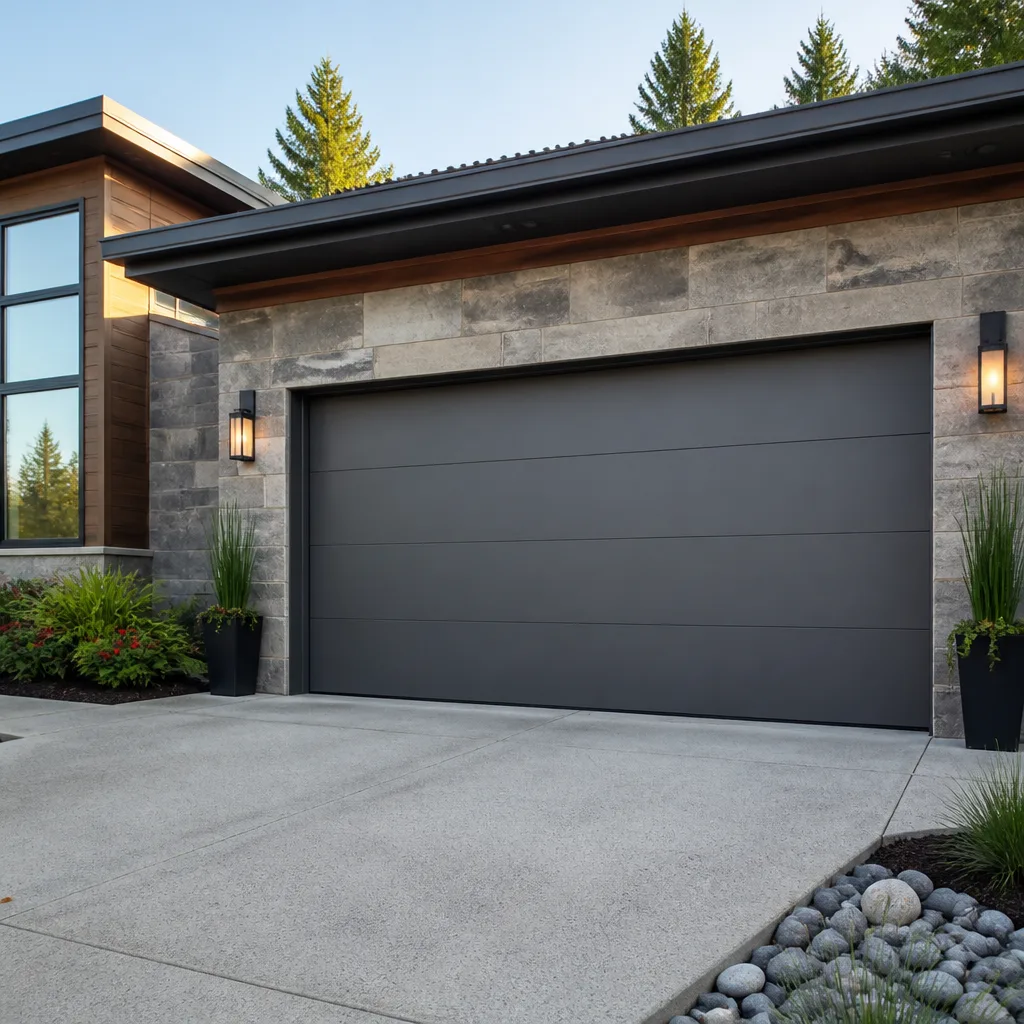 Modern flush
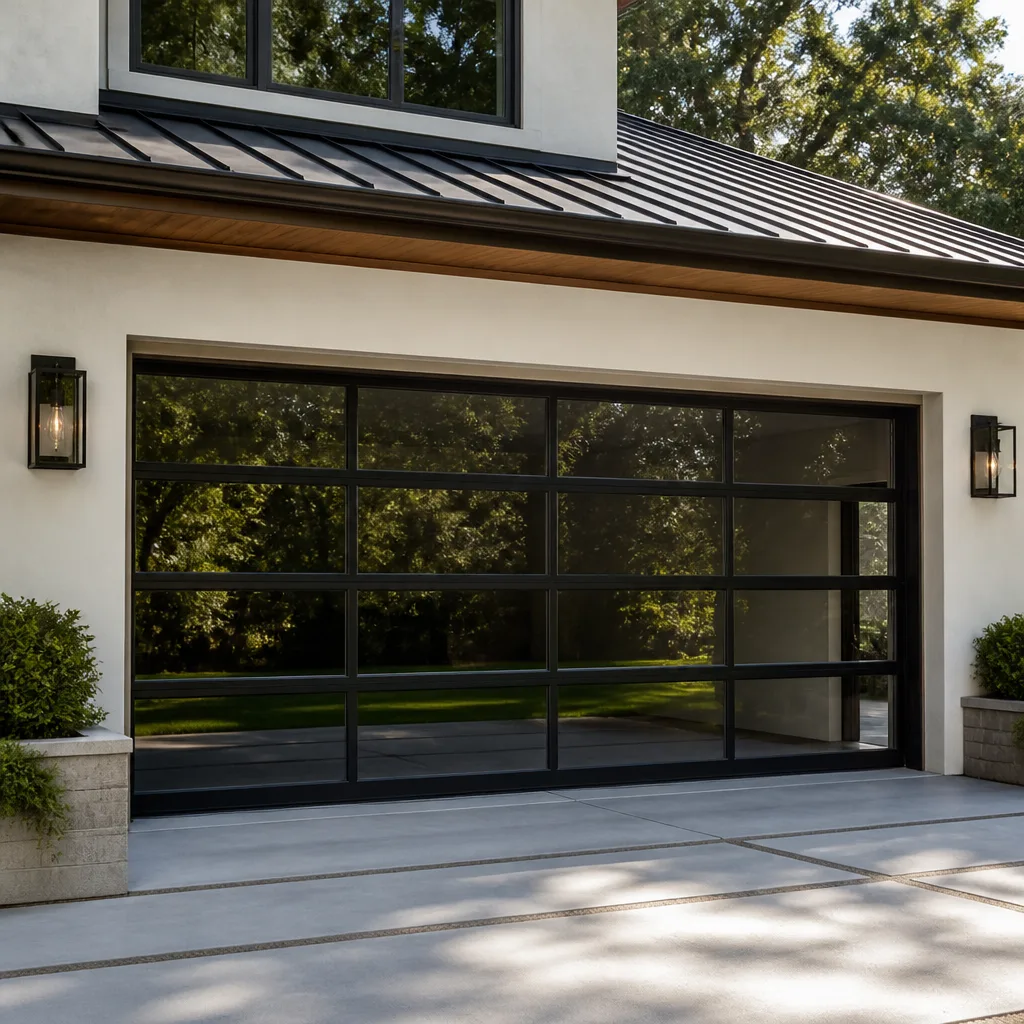 Full-view glass
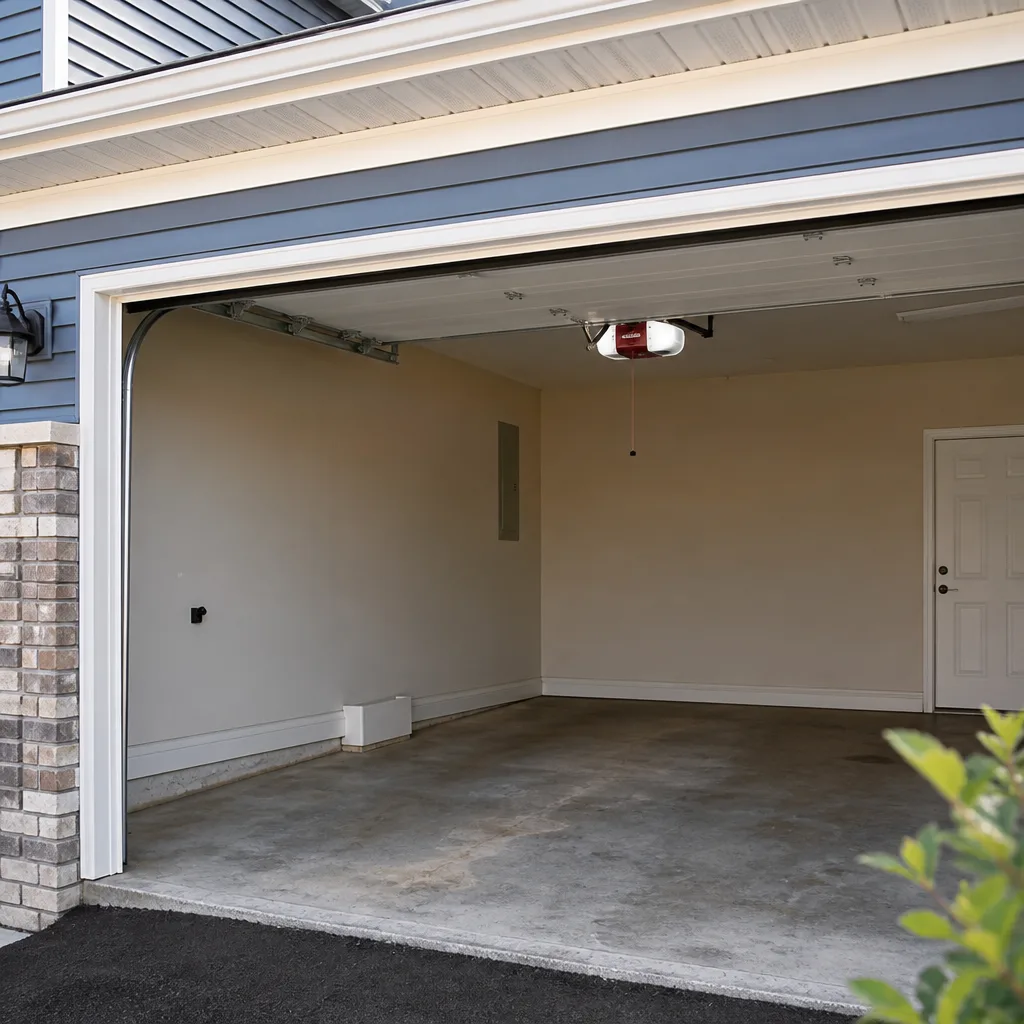 LiftMaster openers
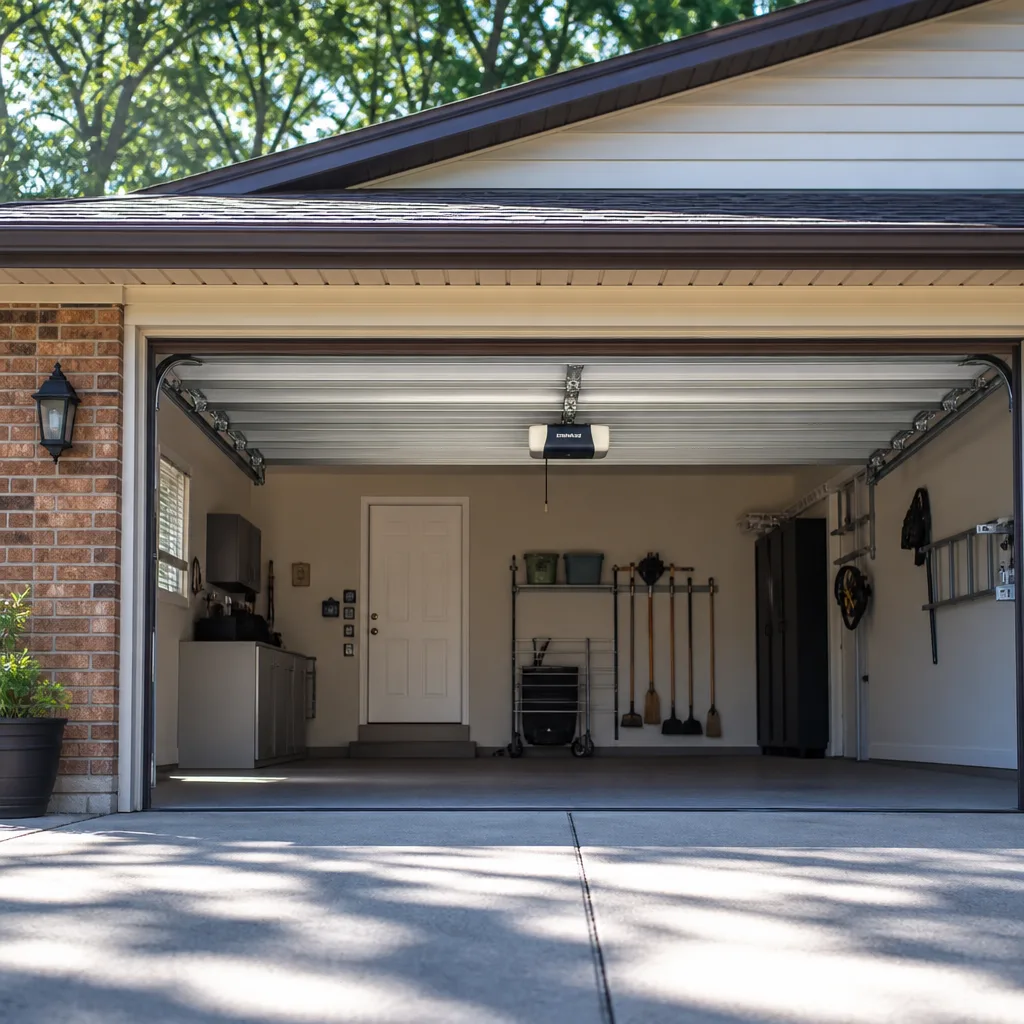 Chamberlain openers
Full 25-point door and opener safety check with every visit - springs, cables, rollers, tracks, and your LiftMaster or Chamberlain opener included
You get a price before we start. It does not change when the truck arrives.
Get your free estimateGarage Door Warning Signs: A Chula Vista Homeowner’s Reference Guide
Here’s a number that surprises most Chula Vista homeowners: by the time a garage door fails completely, it has usually been signaling trouble for 30 to 90 days. Not with a glaring red light or an alarm, but with small changes that are easy to dismiss. A door that pauses for half a second before lifting. A rumble that wasn’t there last month. A slight tilt at one corner. Most people ignore these signals until the morning the door won’t open and a car is stuck inside. This guide from Hallmark Garage Door Repair home walks you through the warning signs we see most often across Chula Vista’s neighborhoods, from Otay Ranch to Eastlake, and tells you which ones mean “watch it this month” and which mean “call someone this afternoon.” By the time you reach the bottom, you’ll know how to read your door the way a technician does.
Quick Answer
Garage door warning signs fall into four categories: sound (grinding, popping, straining), movement (hesitation, jerking, tilting), opener behavior (reversing mid-cycle, range loss, failure to close), and visible wear (cable fraying, spring gaps, cracked panels). A door that hesitates before opening, makes a popping noise near the springs, or hangs unevenly is telling you something specific needs attention within days, not months. Ignoring these signs leads to what we see every week in Chula Vista: a spring failure or cable snap that turns a routine maintenance call into an emergency unbudgeted one.
Styles & brands we work with
Table of Contents
- Sound-to-Cause Mapping: What Your Door Is Saying
- Visual Asymmetry Tests: Reading the Tilt
- Opener Behavior Flags: Electronics Before Mechanics
- Bottom Seal and Weatherstrip Wear: The Chula Vista Factor
- The 30-Second Manual Disconnect Test
- Common Mistakes to Avoid
- When to Call a Professional
Sound-to-Cause Mapping: What Your Door Is Saying
The single most useful skill a Chula Vista homeowner can develop is learning to match a sound to its source. Garage doors don’t fail silently. Each component has an acoustic signature when it starts to go, and knowing the difference between a $15 roller and a $300 spring can save you hundreds. Here’s the mapping we use on service calls across Chula Vista every day.
A high-pitched squeal that happens every cycle, usually at the same point in the door’s travel. This is almost always a roller with a worn bearing. Rollers have steel bearings inside nylon or steel wheels, and when the grease inside dries out or the bearing seizes, the roller stops spinning and starts scraping along the track. The sound is consistent and repetitive. It doesn’t get dramatically worse day to day, but it’s adding wear to the track every cycle. This is a repair you can schedule on your calendar rather than treat as an emergency.
A grinding or metallic rasp, louder at the bottom of the cycle. Grinding typically points to a track issue. Either the track has come slightly out of alignment, and the rollers are fighting it, or debris has gotten into the track channel. In Chula Vista, we see this more often in neighborhoods near Proctor Valley Road where dust and construction grit from the 125 and 905 corridors work their way into tracks. The fix is usually straightforward: clean the track, realign it, replace any rollers that got chewed up. Left alone, misaligned tracks chew through rollers fast and put stress on panels.
A sharp popping or snapping sound from above the door when it moves. This is the one you never want to hear. Torsion springs live across the top of the door on a metal shaft, and they store enormous amounts of mechanical energy. When a spring is about to go, it often makes a popping or ticking sound as coils shift or begin to separate. Sometimes a spring will audibly snap. This is not a monitor-and-wait situation. A snapped torsion spring means the door’s counterweight system is gone, and the opener will try to lift the full weight of the door, which is when motors burn out and cables snap. In our experience across Chula Vista, spring failures are the number one springtime repair call, because the coastal temperature swings between Bonita’s inland heat and the bay’s cool damp put repeated expansion-contraction stress on spring metal.
A straining, labored hum from the motor when the door goes up. This is the sound of an opener working against resistance it wasn’t designed to handle. It usually means the springs have lost tension and the motor is doing the lifting itself. An opener’s job is to move the door, not lift it. Every cycle with a weak spring shortens that opener’s lifespan. If your garage door opener repair in Chula Vista is something we’re doing more often this year, it’s frequently because a door was run for months on a dying spring. The opener labors, the gear wears, and you’re replacing both the spring and the opener when one timely spring replacement would have handled it.
A rhythmic clicking or slapping near the edges of the door. This is usually a cable drum or cable issue. Cables wrap around drums at each end of the torsion bar, and when a cable begins to fray or jumps a groove, it can slap against the drum or the mounting plate. You may also hear clicking from a loose chain on an older Chamberlain or Craftsman opener where the chain needs tensioning.
One note from the field: recording a short video on your phone and playing it for a technician can save a service trip. We’ve diagnosed plenty of problems remotely just from an audio clip. If you’re hearing one of these sounds and can’t tell which one, call (833) 467-4256 and describe it. We work on doors and openers from LiftMaster, Chamberlain, Genie, and Clopay, and these sound signatures are the same vocabulary we use to triage every call.
Visual Asymmetry Tests: Reading the Tilt
A garage door that’s out of level is like a check-engine light. It tells you something is wrong before you can see what it is. And it’s remarkably easy to miss when you drive past the same door every day. Here are the three checks we recommend Chula Vista homeowners do once a month, as part of seasonal garage door care. They take maybe 90 seconds total and catch problems before they become expensive.
Test 1: The Driveway-Wide Look. Park your car in the driveway and look at the door head-on. Focus on the top edge of the door against the header above it. The top edge should be perfectly parallel with the header. If one side is even a quarter inch lower, you have an imbalance. Do this check with the door closed. Then open the door and check again. A door that’s level when closed but tilted when open points to a cable issue. A door that’s tilted in both positions points to a spring issue.
Test 2: The Gap Check. Stand inside the garage and look at the bottom of the closed door. The bottom edge should touch the floor evenly across the full width. If you see daylight on one side but not the other, the door is sitting tilted. The cause could be a stretched cable on one side, a spring that’s lost tension unevenly, or, in some Chula Vista cases, a settling concrete slab. That last cause is worth understanding because it’s specific to our region.
Test 3: The Corner Squeeze. With the door closed, grab the handle and lift gently. You’re not trying to open the door, just take the slack out. A properly functioning door moves with the opener, not against it. If one corner wants to lift before the other, or the door feels heavy on one side, the problem is mechanical, not electrical.
Why Chula Vista settlers matter here: stucco-and-concrete driveways are the standard in developments from Rolling Hills Ranch to H Street, and concrete slabs shift subtly with the soil’s moisture cycle. Chula Vista gets almost all its rain in a four-month window, so clay-heavy ground expands in the winter rains and contracts through the long dry season. Our garage floors move with it. A door that was perfectly tuned to a level slab in April can sit a quarter inch high at the south corner by October. Not a cable failure, just the ground moving under the house. Our technicians factor slab movement into every diagnosis. It’s the difference between replacing a good cable that wasn’t the problem and telling a customer their door is actually fine, the floor moved.
Here’s why the tilt matters beyond aesthetics: an uneven door puts asymmetric load on the cables. One cable carries more than the other. Cables under asymmetric load wear faster, and a cable failure is dangerous in a different way than a spring failure because the cable can whip when it breaks. In our experience, uneven cable wear is the silent killer of garage doors in Chula Vista homes with older slabs. It’s not dramatic until it is.
If any of these three tests show a tilt, mark the door with a piece of tape on the track at that point and watch it over a week. If the tilt is stable, you can likely schedule a service call at your convenience. If the gap is growing day to day, a cable or spring is actively failing, and the clock is ticking. Our garage door repair in Chula Vista technicians see this progression routinely. The homeowners who call early pay less and keep their doors longer than the ones who wait for the crash.
Opener Behavior Flags: Electronics Before Mechanics
Not every warning sign is a sound or a sight. Some are behaviors, and opener behavior flags are among the most under-diagnosed symptoms in garage doors. The opener is the brain of the system, and when it acts strangely, it’s often pointing to a problem elsewhere, or to a problem within its own electronics. Here are the four opener behaviors we tell Chula Vista homeowners to track.
1. Reversal mid-cycle. Your opener uses force sensors to detect resistance. If it begins to close and then reverses and opens again, something is adding resistance or the sensors think something is in the way. Less commonly, the safety sensor eyes at the bottom of the track have drifted out of alignment or collected dirt. Before you call anyone, clean the sensor lenses with a dry cloth and make sure they’re pointing at each other. If the reversal continues after that, it’s often a sign that the door’s balance has shifted and the opener is detecting the extra weight as an obstacle. In Chula Vista’s older neighborhoods around east and west sides of the 805, we see this on doors that were installed in the 1990s and have never had their springs replaced. The door gets heavier, the opener notices, and it refuses to close because it thinks a child or a bike is under it.
2. Remote range reduction. If you used to be able to open the door from two houses down and now you have to be at the end of the driveway, that’s not just a dying battery, though every battery has a lifetime and it’s the first thing to check. A more concerning cause is interference from new devices in your home. LED bulbs, especially retrofit LED garage door opener bulbs that spit out noisy radio frequencies, are notorious for killing range on LiftMaster and Genie openers. Smart home hubs and new security cameras can also crowd the 315 MHz or 390 MHz bands these openers use. The fix is often swapping to a name-brand opener bulb rated for use near receivers, or repositioning your hub. If the range shrink is accompanied by a physical decline in the door’s movement, then the opener’s logic board or capacitor may be aging.
3. Intermittent failure to fully close. The door travels down, stops an inch or two from the floor, and then sits there. Sometimes a second press of the button closes it. Sometimes it goes back up. This often traces back to the travel limit settings on the opener, which is a five-minute adjustment on most LiftMaster and Chamberlain models. But on older Genie and Craftsman units with mechanical limit switches, the switches themselves wear out, and the door will never close reliably until they’re replaced. It’s a small part but a maddening symptom.
4. The opener runs, but the door doesn’t move. If you press the remote and you hear the motor spin but the door sits still, you have either a stripped gear, a broken drive belt, or a disconnected emergency release cord. On Chamberlain and LiftMaster belt-drive and chain-drive models, the gear that transfers motor power to the drive system is a known wear component. It’s plastic on most models, and it’s designed to be the sacrificial part so a heavier failure doesn’t happen. This is a straightforward opener repair, not an emergency, but it does mean the door stays closed until fixed. That said, don’t use the emergency release to manually lift the door and drive out if you suspect a spring is broken. The door’s weight is being counterbalanced by springs. If one spring is gone and you pull the release, the door will dump its weight on you.
A word on safety sensors: The sensor eyes at the bottom of the track are a genuinely important safety feature, but they’re also the most common false alarm. They misalign, they collect dust, they get bumped by a trash can, and suddenly your door won’t close. Clean them, check their alignment, and only then start suspecting bigger issues. It’s a five-minute check that saves a service call. If the problem persists after a thorough cleaning and alignment, the sensors or their wiring may need replacing.
Bottom Seal and Weatherstrip Wear: The Chula Vista Factor
This section is where the geography of Chula Vista becomes genuinely relevant. Different climates stress garage doors differently, and our corner of San Diego County has a specific weather and soil profile that creates seal wear patterns most national guides never mention. Here’s what we mean.
Why Chula Vista eats bottom seals. The bottom seal is a rubber or vinyl gasket called an astragal that runs along the bottom edge of the door and compresses against the concrete slab when the door closes. It keeps water, dust, and pests out. With Chula Vista’s dry, sunny climate, the UV load on a garage door face is substantial. But the bottom seal doesn’t get UV, it gets something worse: reflected heat from the concrete. On a summer afternoon, a Chula Vista driveway can hit 140 degrees. That heat bakes the seal from below, drying out the rubber far faster than the same seal would wear in a cooler or shadier city. We replace bottom seals in Chula Vista at roughly twice the rate we see in coastal areas like La Jolla or Coronado, purely because of surface temperature.
The uneven-settling factor. As mentioned in the asymmetry section, Chula Vista’s clay-heavy soil expands with winter rain and contracts through nine dry months. This moves concrete slabs. A door floor that was flat at installation develops a gentle valley or crown over years of seasonal shifting. The bottom seal can’t conform to a slab that has moved. You’ll see a gap at one corner or a section in the middle where the old seal no longer touches. That gap lets in dust from the canyon winds, ants and spiders, and warm air that makes an attached garage measurably hotter in summer.
How to check your seal. Close the door, then go outside and look at the bottom edge against the concrete. You’re looking for daylight where the seal should be touching. Crouch down. If you can slide a pencil under any section of the seal, it’s time for a replacement. Also run your hand along the seal’s surface. A healthy seal is pliable and returns to shape when you squeeze it. A worn one feels stiff, cracked, or flattened. On the stucco-and-concrete driveways common to newer Chula Vista developments, that flattening happens unevenly, which is why you’ll see one corner looking crisp and another looking pressed flat.
The pest factor. Chula Vista shares a border ecosystem with Tijuana River Valley and the Otay Lakes wetlands, which means the insect and rodent pressure on garage seals is real. Mice can compress their bodies through a gap as small as a dime. Black widows and brown widows love the junction between a concrete slab and a garage door seal. A worn seal doesn’t just leak air; it welcomes the wildlife that our region is known for. We get calls that start as “there’s a snake in the garage” and end as “and we should probably fix the seal.” Every time, the gap was the entry point.
Replacing a bottom seal is one of the more straightforward garage door maintenance items. On some doors, the seal slides out of an aluminum retainer channel. On others, it’s attached directly to the bottom panel. If your door is from Clopay or Amarr, the replacement is usually a match to a specific model profile, which is one more reason choosing the right garage door brand matters. Our technicians carry multiple seal profiles on the truck and can usually replace one in under an hour.
The 30-Second Manual Disconnect Test
Here’s the most useful diagnostic tool most Chula Vista homeowners don’t know they have: the emergency release cord. It’s the red cord hanging from your opener rail, usually a foot or two from the motor. Pulling it disconnects the door from the opener, so you can lift the door by hand. And that’s the test. Whether the door is easy or hard to lift by hand tells you exactly where the problem lives.
Do the test:
- Close the door completely.
- Pull the red release cord straight down. You’ll hear a click as the carriage disconnects.
- Grasp the door handle and lift. Use both hands and lift with your legs, not your back.
- Lift the door to about waist height and let go.
- Reconnect the opener by pressing the wall button or pulling the cord toward the door until the carriage locks.
How to interpret what you feel:
- The door lifts easily and stays at waist height without drifting. The springs and door are balanced. Your problem is the opener: motor, gear, drive belt, or circuit board. This is an opener repair, not a door repair.
- The door lifts but feels heavy, like you’re carrying the weight yourself. The springs have lost tension or one is broken. The door is dangerous to operate by hand and shouldn’t be run by the opener either. This is a same-day repair call.
- The door lifts on one side but binds on the other. You have a cable off its drum or a track out of alignment. Stop lifting and call someone. Forcing it will bend panels.
- The door won’t budge at all. Usually a locked door, an obstruction in the track, or a fully broken spring with the door weight settled on the tracks. Don’t force it.
That simple test separates mechanical problems from electronic ones, and it’s the first thing our technicians do when diagnosing a door. Homeowners who call and tell us “the door is heavy by hand” get triaged differently from homeowners who say “the opener runs but nothing happens.” We know the first case is a spring or cable and an emergency. We know the second is an opener and can be scheduled. Ten seconds of testing saves time on the phone and gets the right technician dispatched with the right parts.
One safety note: do not stand under the door while testing. Stand beside it. And if the door falls or drops while you’re holding it, step away and let it go. Doors weigh between 130 and 400 pounds depending on material, and no one wins a fight with a falling door.
Common Mistakes to Avoid
After years of service calls across Chula Vista, certain homeowner mistakes repeat themselves with remarkable consistency. Here are the ones we’d like to see less of.
- Lubricating springs but ignoring rollers. Spraying lubricant on the torsion spring is good practice. Doing it while 12 rollers are dry and grinding is not. The spring doesn’t need lube as much as the rollers do. Hit the rollers, hinges, and bearing plates every six months, and use a garage-door-specific lubricant, not WD-40.
- Tightening hardware without checking balance first. Doors get loose bolts over time because they vibrate and move. But tightening every bolt you see without checking the balance first can mask a spring or cable problem until it breaks. The balance check comes first; tightening comes second.
- Replacing an old opener without checking the doorbalance. This is a common one in Chula Vista. The door got heavy, the opener worked harder, the opener failed, and the homeowner buys a new opener. The new opener now has to lift the same heavy door and will fail faster than the old one did. Check the springs before replacing anything.
- Ignoring the red emergency cord. The release cord is not decoration. It’s your manual override and your best diagnostic tool. Half the Chula Vista homeowners we talk to have never touched it. Use it.
- Waiting for the door to stop working completely before calling. This is the big one. By the time a door fails completely, it has usually caused secondary damage. A snapped spring breaks cables. A burning motor takes out the gear. A bent panel costs four times a roller replacement. The earlier the call, the smaller the invoice. Call (833) 467-4256 for a free estimate before it becomes an emergency.
- Attempting DIY spring replacement. Torsion springs store an enormous amount of mechanical energy. The winding and unwinding procedure is one of the most dangerous tasks in home maintenance. We’ve seen the aftermath of DIY spring jobs. It’s not a YouTube project. Leave it to trained technicians with proper winding tools.
When to Call a Professional
You can handle some things yourself: cleaning tracks, checking sensor alignment, lubricating rollers, replacing a bottom seal on some door models, and running the manual disconnect test. For how to hire a garage door contractor in Chula Vista, see our step-by-step guide. Here’s when you should absolutely call someone trained and equipped.
Call when you hear a popping or snapping from the spring area. Call when the door is heavy by hand. Call when a cable looks frayed or has come off the drum. Call when the door won’t move and you’ve confirmed it’s not locked or obstructed. Call when the door reverses mid-cycle and basic sensor cleaning hasn’t fixed it. Call when the opener motor runs but the door doesn’t move. And call if you’re not sure. Hallmark Garage Door Repair offers free estimates in Chula Vista, and we’d rather tell you your door is fine over the phone than have you guess wrong. That’s the point of a diagnostic guide: it helps you know when to call, and when to simply watch. For more guides & resources, visit our blog. If you’ve made it this far and you’re still uncertain, call (833) 467-4256. We’ll walk you through it before we ever put a truck in your driveway.
See the difference
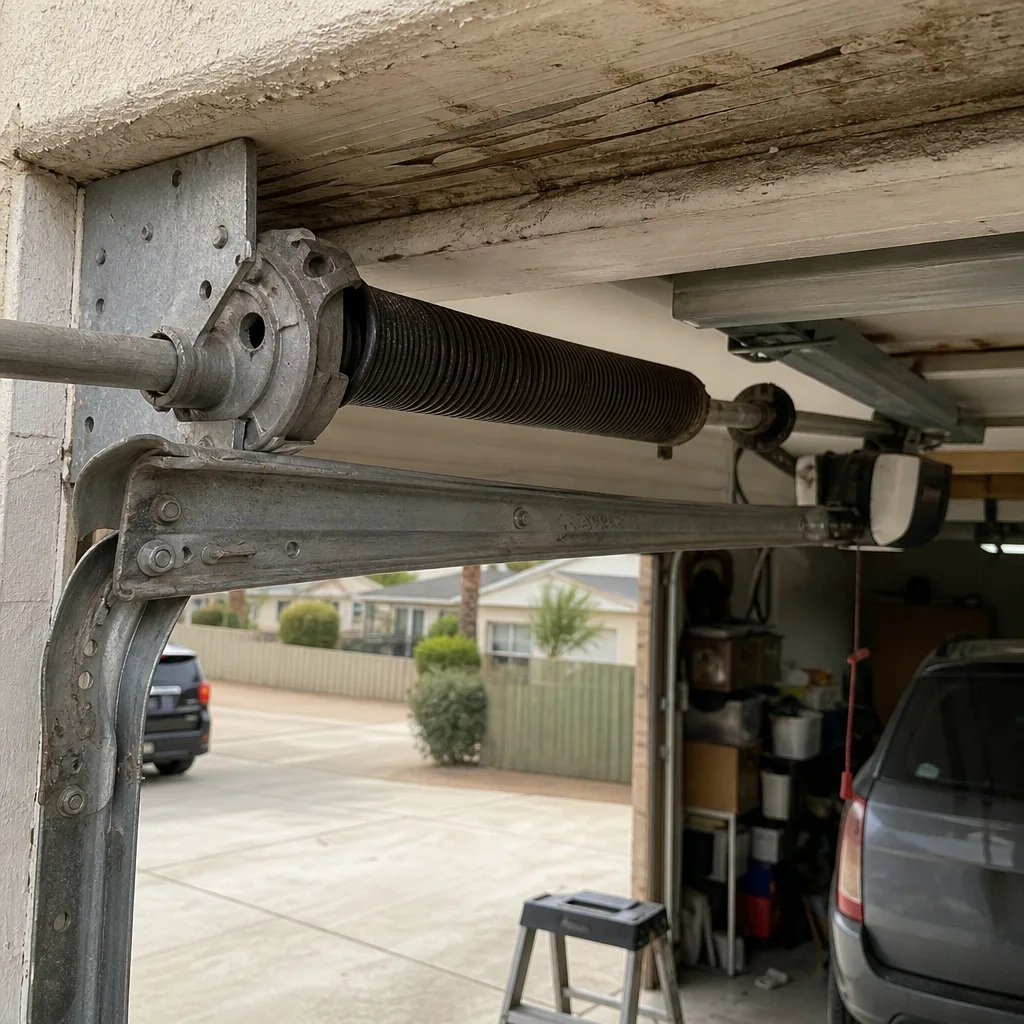 Before
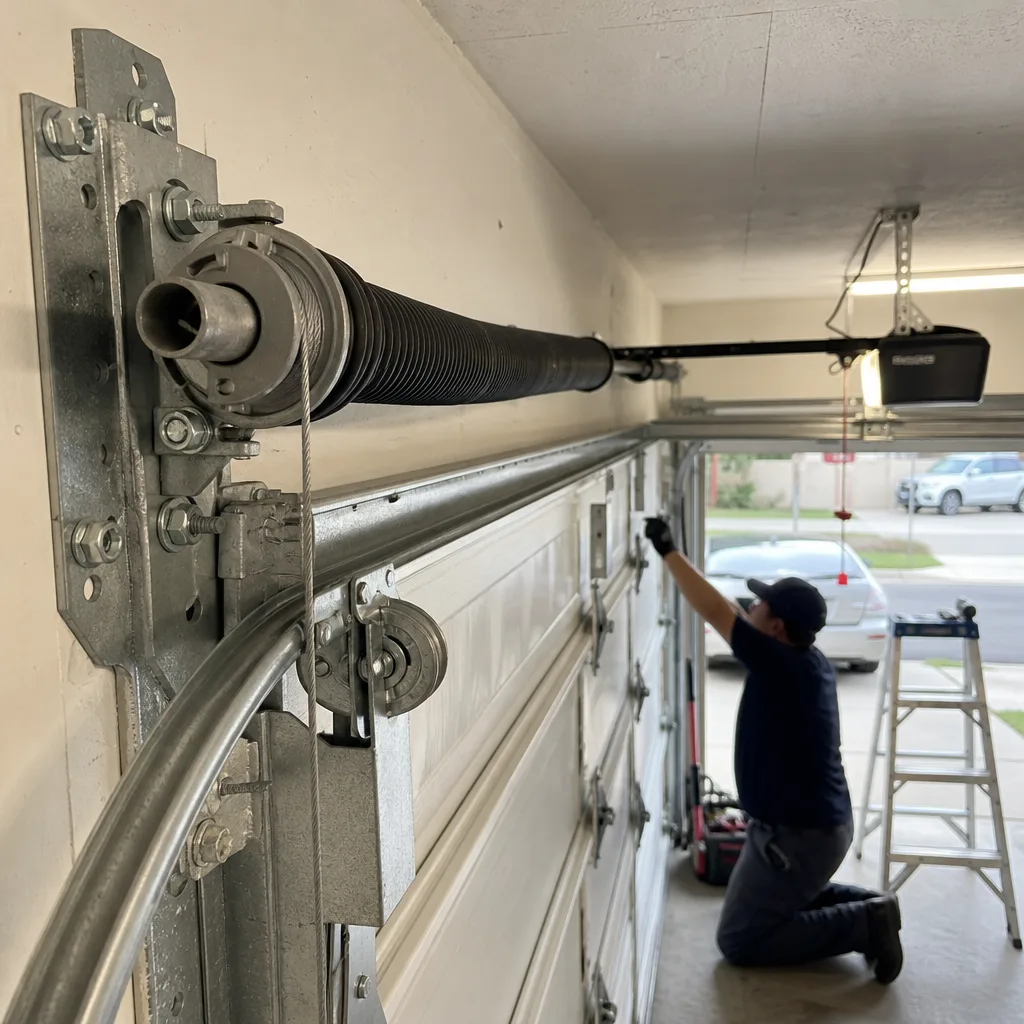 After
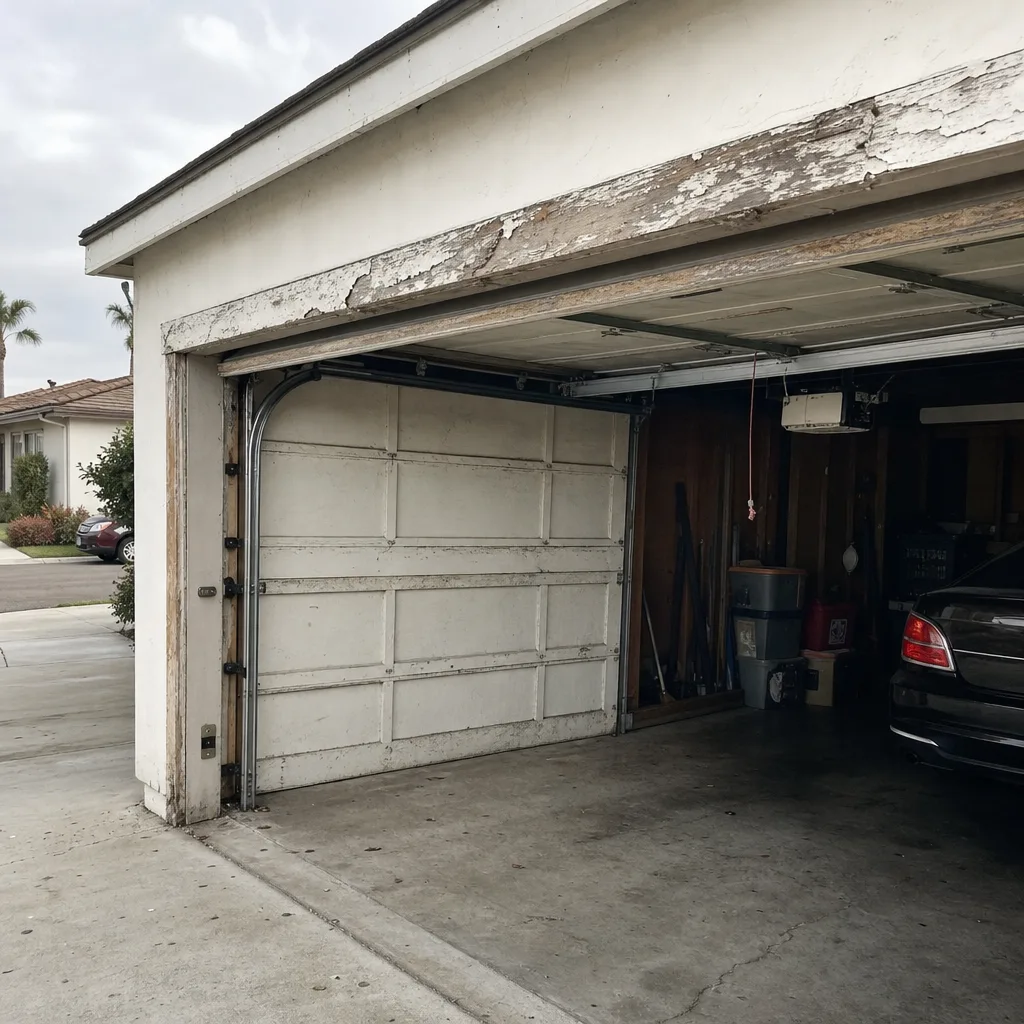 Before
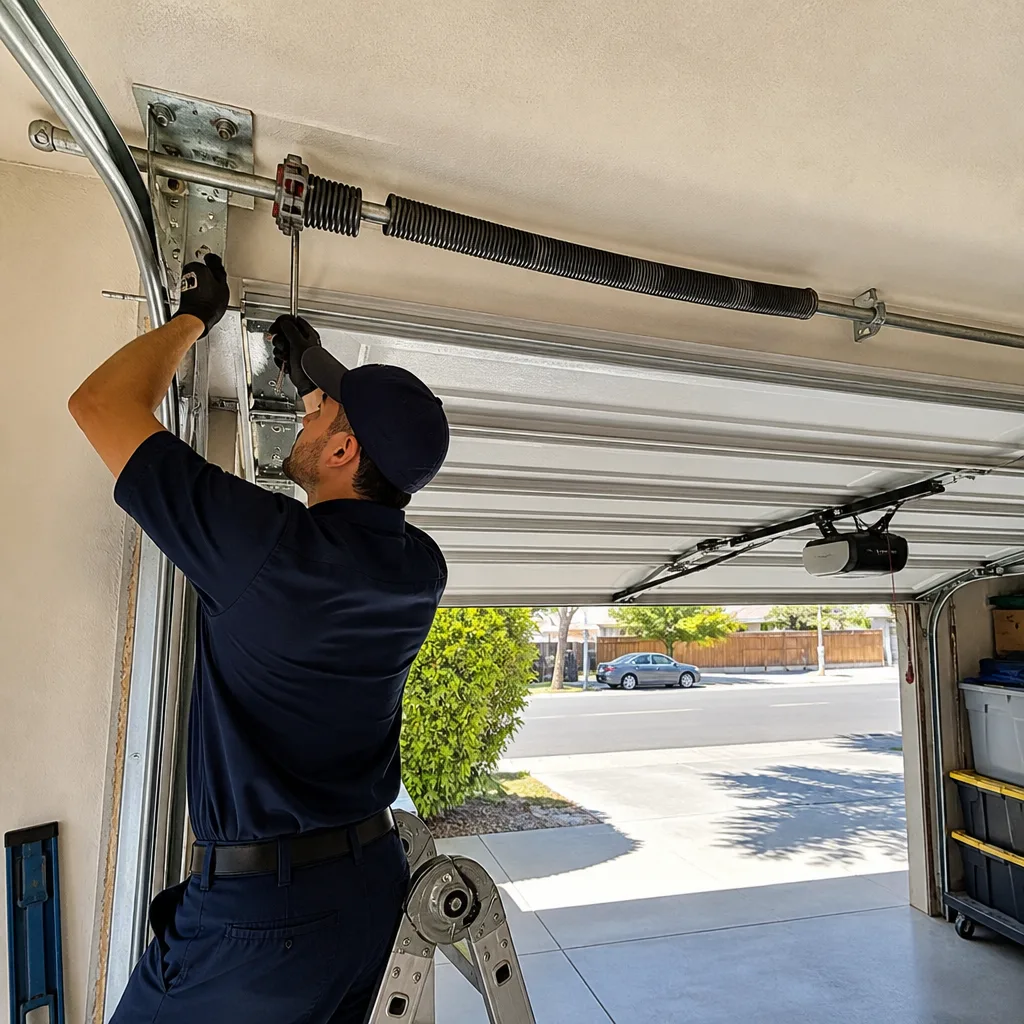 After
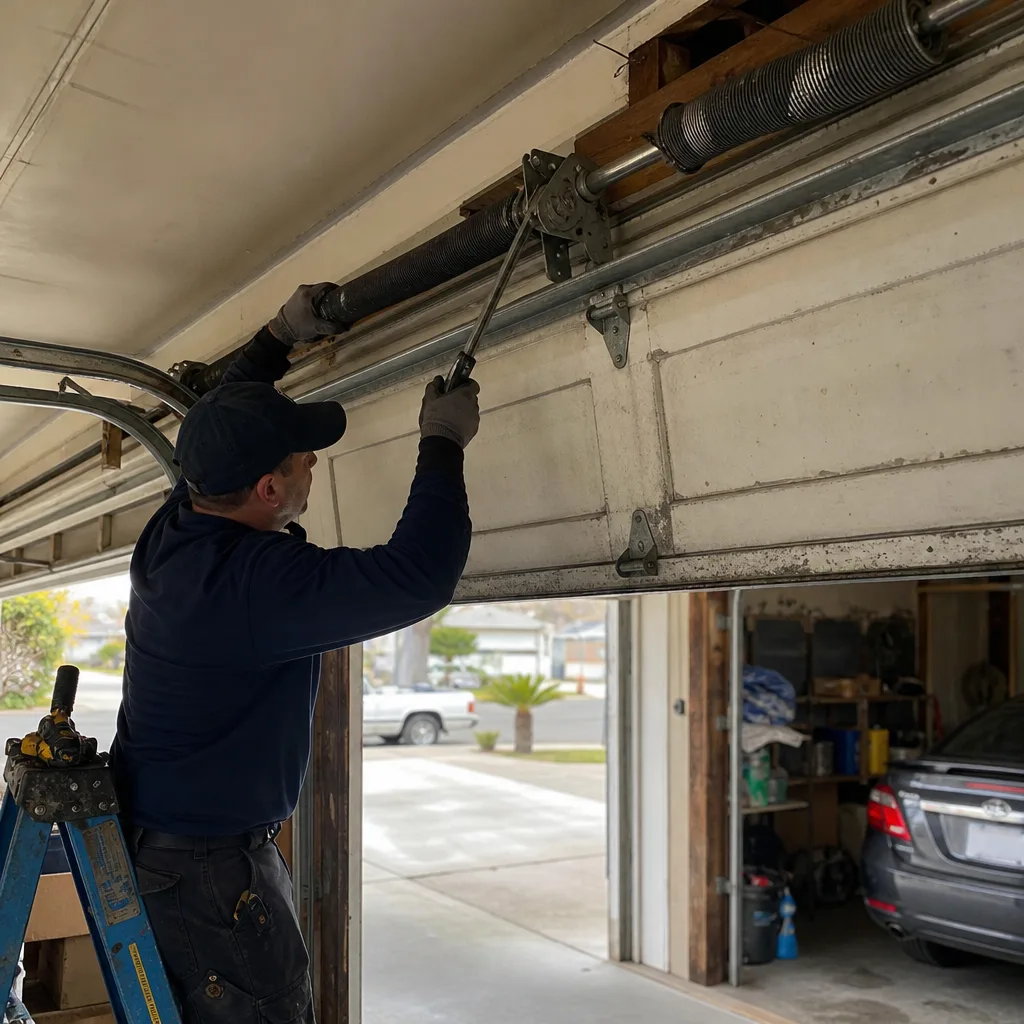 Before
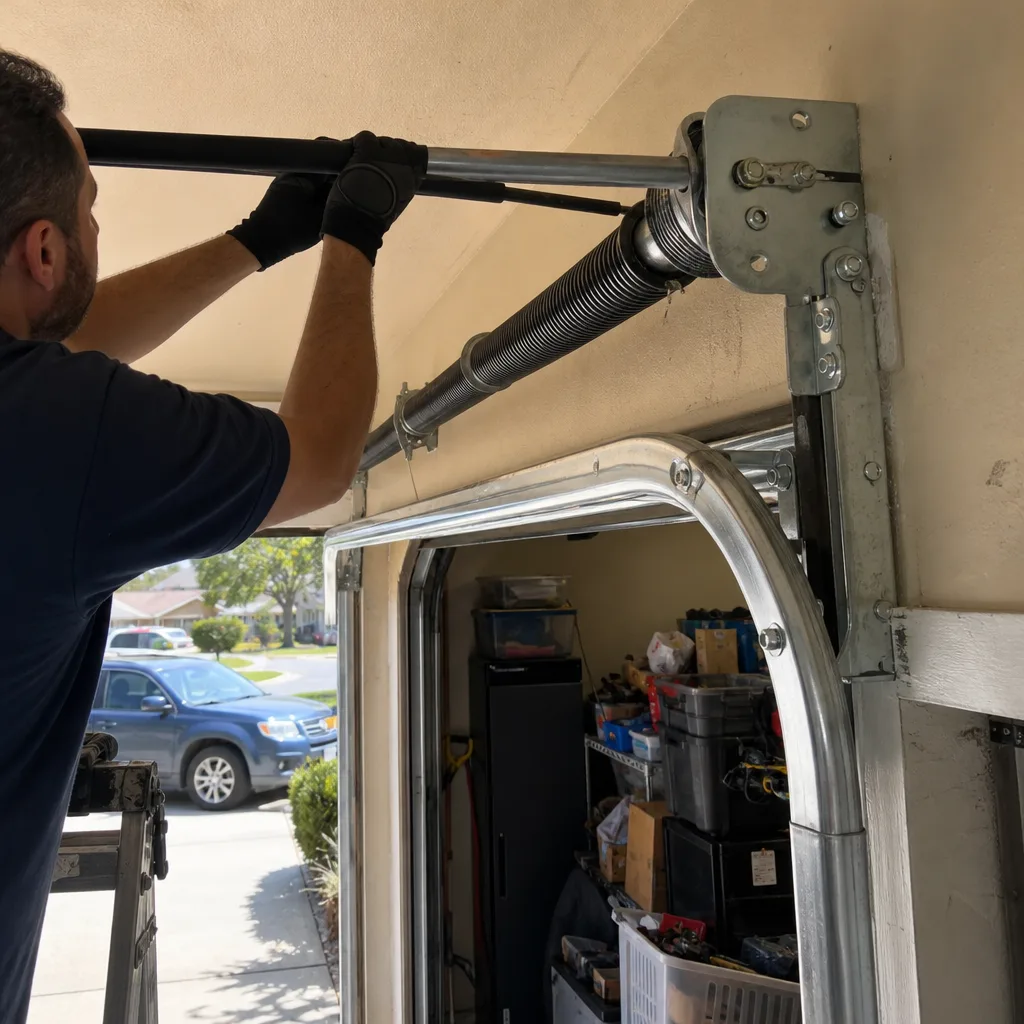 After
Frequently Asked Questions
Torsion spring replacement in Chula Vista typically runs $180 to $340 for a standard single-door setup, depending on the spring’s size and cycle rating. Our price is always quoted and agreed before any work starts. Call (833) 467-4256 for an exact quote, estimates are free.
Yes, in most cases. We carry a range of spring sizes on the truck, and same-day spring replacement is common across Chula Vista, from Otay Ranch to the west side. If we know the spring dimensions from a photo you text over the phone, we can confirm the truck has the right one before dispatch.
No. The price we quote is the price you pay, unless we find a different problem than what was described and you approve additional work separately. Nothing is done without your explicit approval and a clear number.
The manual disconnect test answers this in 30 seconds. Pull the red release cord and lift the door by hand. If it’s heavy, it’s the spring or the door. If it lifts easily and stays at waist height, the door is balanced and the opener is the problem. That single test separates the two most common issues we see in Chula Vista homes.
Yes. The clay-heavy soil in our region expands through winter rains and contracts through the dry months from late spring to fall. This movement shifts concrete slabs, which changes how the door sits on the floor. If your door seals tightly in winter and shows a corner gap in late summer, you’re likely seeing slab movement, not a door failure.
We work on the door you have. Our technicians train expressly on LiftMaster, Chamberlain, Genie, Clopay, Amarr, Wayne Dalton, Craftsman, and Raynor systems, and we’ve seen enough of each brand to know their specific failure patterns before we arrive. That brand fluency means the truck is stocked with the right parts for a correct diagnosis on the first visit.
The Bottom Line
The warning signs are not subtle once you know what you’re looking at. A door that hesitates, a sound that arrives with every cycle, a tilt at one corner, an opener that reverses mid-close: these are messages from the system. Read them early and you get repairs measured in a few hundred dollars and a single service visit. Ignore them and you get the midnight spring failure, the cable that tears through a panel, the opener that burns its motor fighting a dead spring. Chula Vista’s specific climate and soil move garage doors in predictable ways, and understanding those patterns gives you an edge. When a sign shows up, you know what it means. If you’d rather have someone else look, we’re the call. Hallmark Garage Door Repair offers free estimates in Chula Vista, including garage door installation in Chula Vista when a new door is the right answer. Call (833) 467-4256.
Written by the team at Hallmark Garage Door Repair, serving Chula Vista since 2016.