
Last updated October 30, 2026
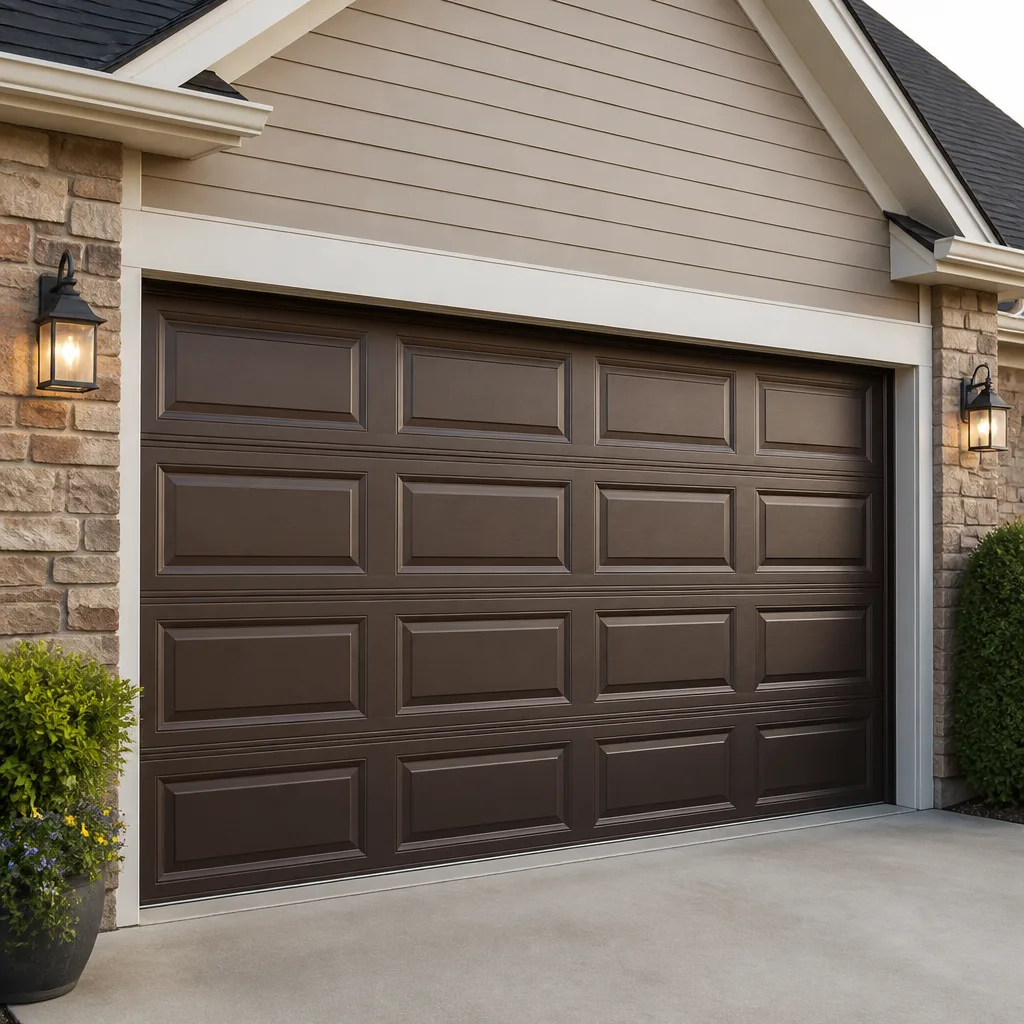 Raised-panel steel
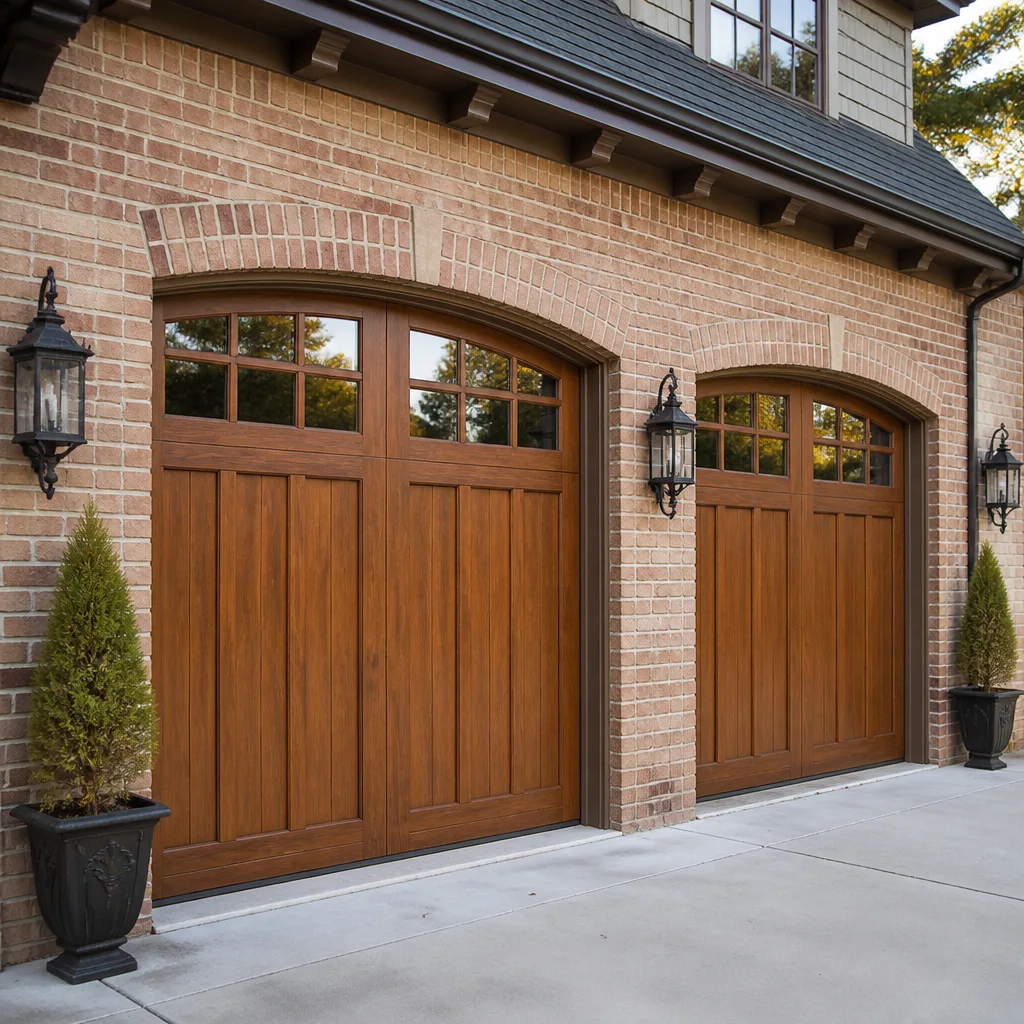 Carriage house
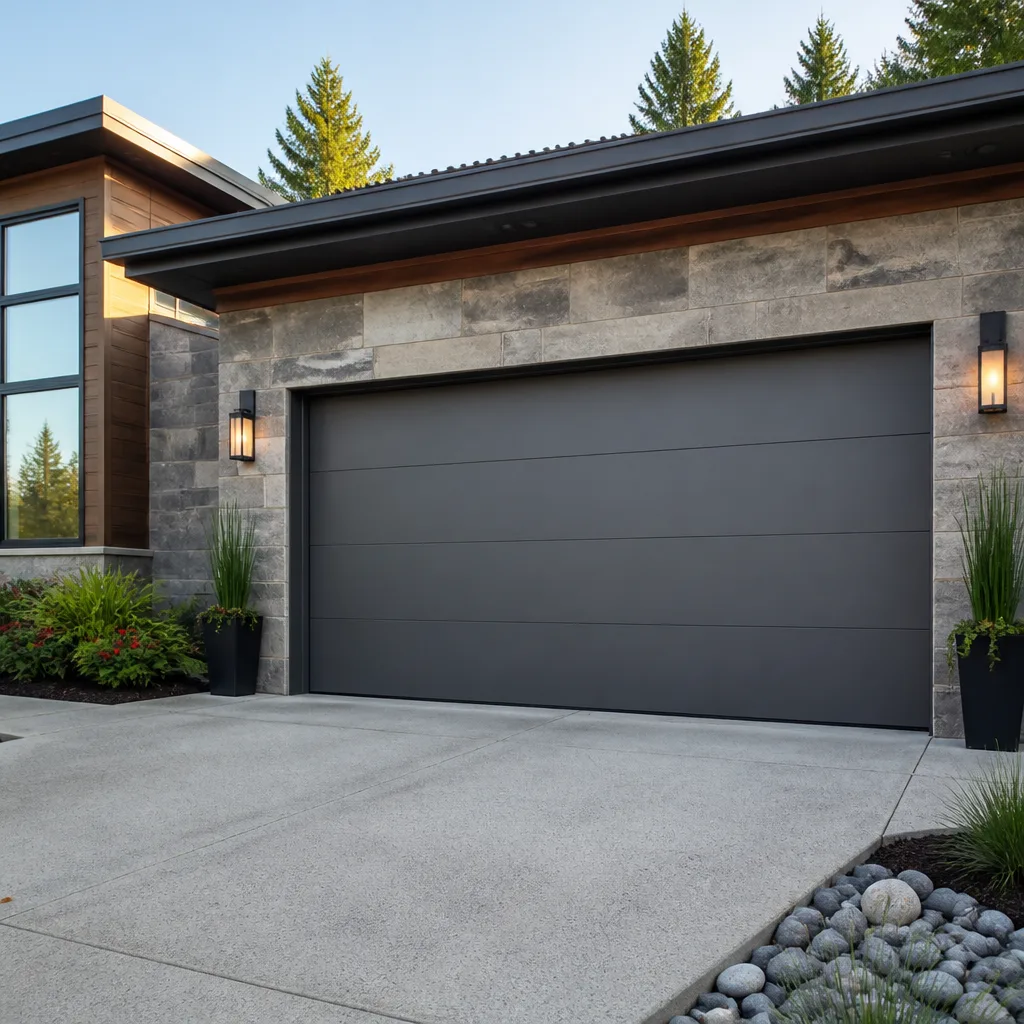 Modern flush
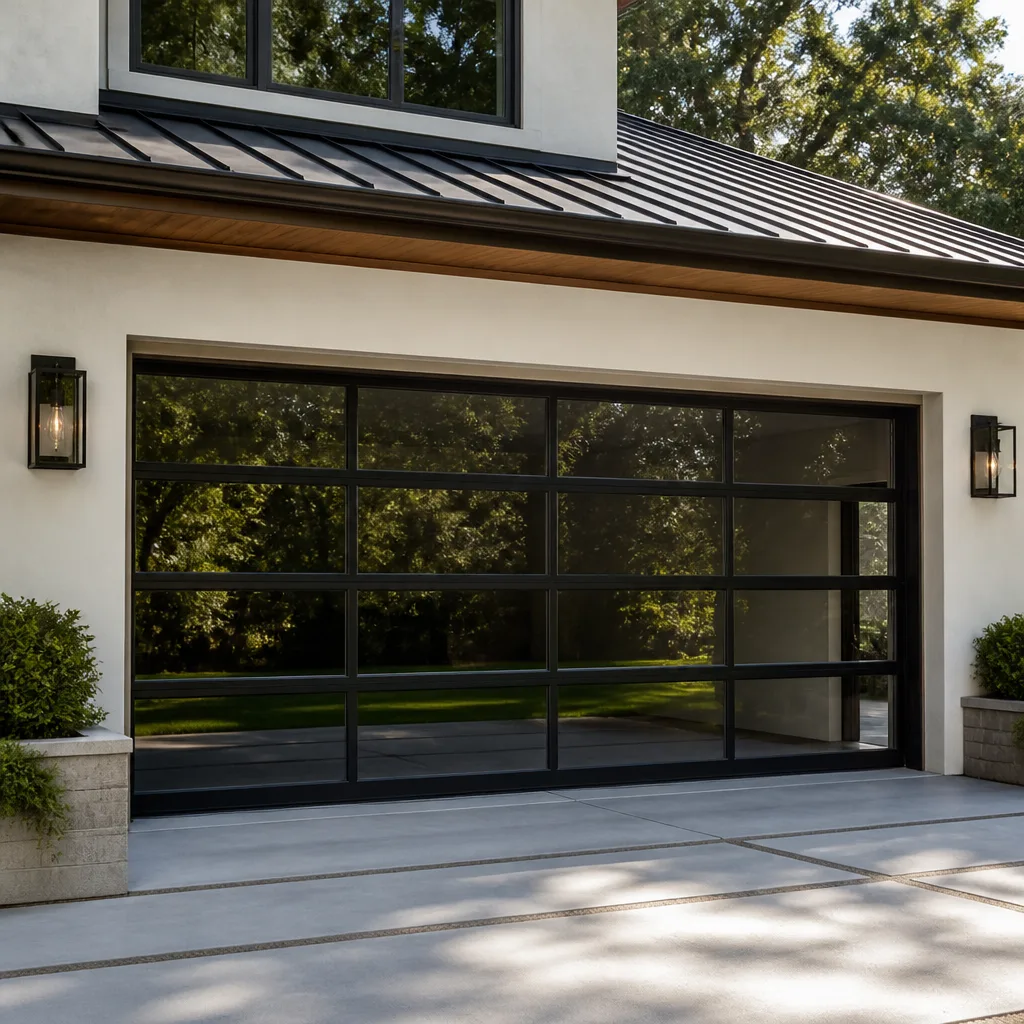 Full-view glass
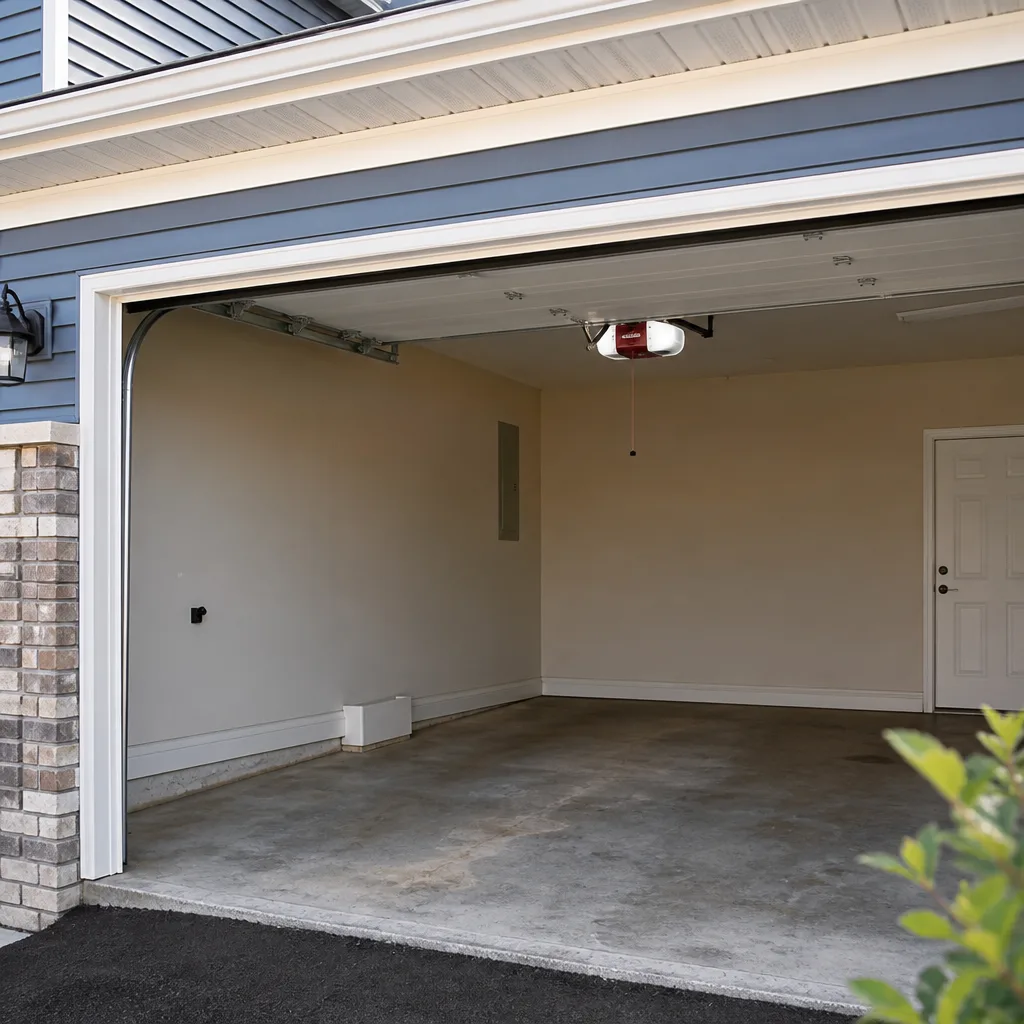 LiftMaster openers
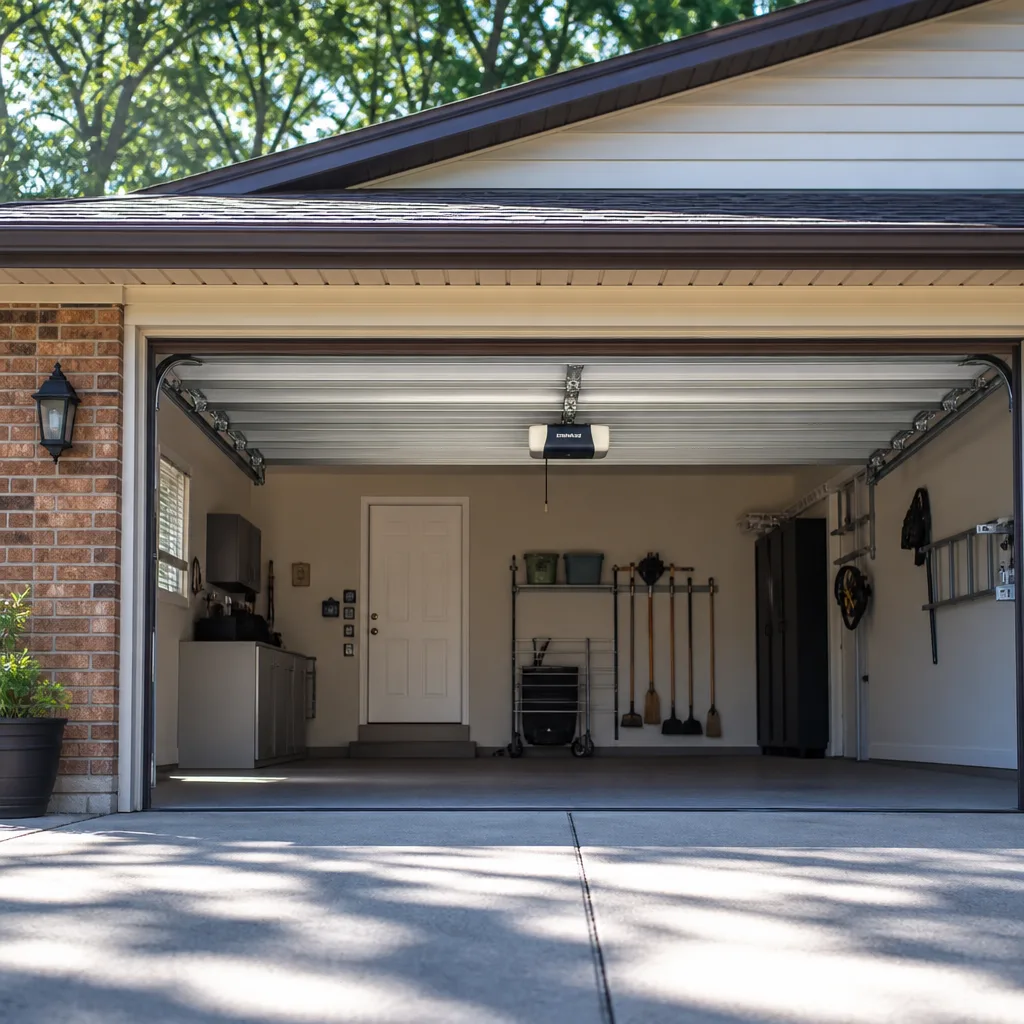 Chamberlain openers
Full 25-point door and opener safety check with every visit - springs, cables, rollers, tracks, and your LiftMaster or Chamberlain opener included
You get a price before we start. It does not change when the truck arrives.
Get your free estimateThe Complete Guide to Garage Door in Chula Vista
Most garage door guides are written for a hypothetical American homeowner. Chula Vista has roughly 70% of its single-family homes inside HOA-governed communities, which means the door you want and the door you’re allowed to install are often two different conversations. Add a coastal microclimate that accelerates corrosion on hardware and a housing stock where stucco exteriors meet stucco-adjacent color palettes, and you have a set of conditions no generic national guide addresses. This is the guide that does. We’ll walk through every decision a Chula Vista homeowner faces, from understanding what’s actually in your garage right now to planning a replacement that won’t get rejected by an architectural review committee.
Quick Answer
A garage door in Chula Vista is a system of panels, springs, tracks, cables, and an opener working together under conditions unique to this city: salt-influenced air, HOA color restrictions, and a building division that distinguishes between repairs, like-for-like swaps, and full replacements. Most Chula Vista homeowners need three things: a door that resists coastal corrosion, a spring and opener system sized correctly for the door’s weight, and an installation path that clears HOA and city requirements. This guide covers all three, plus what repairs actually cost in the 91910 through 91915 ZIP codes.
Styles & brands we work with
Table of Contents
- Anatomy of a Garage Door System
- How Chula Vista’s Coastal Climate Affects Your Door
- HOA Rules in Eastlake, Otay Ranch, and Rolling Hills Ranch
- Choosing the Right Door Material for Coastal South Bay
- Chula Vista Building Division: Permits, Swaps, and Replacements
- Garage Door Openers: Smart Systems and Legacy Drives
- Brand Availability and Service Realities in South Bay
- A Maintenance Schedule That Matches the Marine Layer
Anatomy of a Garage Door System
Every garage door in Chula Vista, whether it’s on a 1960s ranch in the 91910 corridor or a 2015 build in Otay Ranch, operates on the same mechanical principles. Understanding the components saves you from paying for work you don’t need and helps you describe problems accurately when you call a technician.
The system has seven core parts:
- Panels: The visible sections that articulate as the door moves. Steel panels are the default in Chula Vista, though aluminum and fiberglass appear on older homes and coastal-adjacent properties.
- Torsion springs: Mounted above the door opening, these counterbalance the door’s weight. They carry enormous tension and are the component most likely to fail catastrophically. A spring’s lifespan is measured in cycles, typically 10,000 on standard residential doors.
- Extension springs: Found on older doors, mounted along the horizontal tracks. Less common in newer Chula Vista construction but still present in many pre-1990 homes.
- Track system: The vertical and horizontal rails guiding the rollers. In Chula Vista, track corrosion from salt air is a recurring issue even on doors where the springs are fine.
- Cables: High-tension wires connecting the springs to the door’s bottom brackets. A frayed cable is a warning sign that should never be ignored.
- Rollers: Steel or nylon wheels that run inside the tracks. Nylon rollers run quieter. Steel rollers corrode faster near the coast.
- Opener: The motorized unit that moves the door. Modern openers from LiftMaster and Chamberlain include Wi-Fi connectivity, battery backup, and DC motors that are meaningfully quieter than older AC units.
In our experience, Chula Vista homeowners are most likely to encounter two specific failure patterns: torsion springs that snap without warning (often after years of slow metal fatigue accelerated by temperature swings between marine-layer mornings and inland afternoon sun), and track systems where corrosion has created enough friction to strain the opener motor. Both are fixable. Neither should be attempted as a DIY project. Torsion springs in particular carry enough stored energy to cause serious injury if mishandled, and we recommend any spring work be handled by a trained professional.
How Chula Vista’s Coastal Climate Affects Your Door
Chula Vista sits eight miles from the Pacific, but the marine layer doesn’t stop at the coast. It pushes inland through the Otay River Valley and up against the foothills, blanketing the 91910, 91911, and 91913 neighborhoods with cool, moisture-heavy air most mornings from May through August. What does that mean for your garage door? More than most homeowners realize.
Salt-influenced air accelerates oxidation on exposed metal. This isn’t a dramatic, rusted-through-in-a-year scenario. It’s gradual, and it shows up in specific places first:
- Springs: Surface rust on torsion springs is common within three to five years of installation in Chula Vista, compared to seven to ten years in inland San Diego ZIP codes like El Cajon or Santee. Surface rust doesn’t necessarily mean the spring is failing, but it does mean the spring’s protective coating has been compromised and the cycle count is now the thing that matters most.
- Track hardware: The bolts, brackets, and fasteners holding tracks to the wall and ceiling corrode faster near the coast. We’ve seen track bolts on 91915 homes that are visibly rusted within four years, especially on the west-facing sides of garages that catch the afternoon marine breeze.
- Bottom brackets: These connect the cables to the door and sit close to the ground. Moisture wicking from the slab during marine-layer months accelerates corrosion at this specific point, and a failed bottom bracket is one of the more dangerous failures because it’s under full cable tension when the door is down.
- Exposed hinges: Interior hinges get less attention than they should. When they seize from corrosion, they transfer stress to the panels and the opener.
The practical takeaway: if you live west of I-805 or anywhere in the 91911 western corridor, add a corrosion inspection to your annual garage door maintenance. If you live east of Telegraph Canyon Road or in the eastern reaches of Otay Ranch, you’re in a slightly warmer, slightly drier microclimate where corrosion moves slower but temperature swings between morning and afternoon can still stress springs.
HOA Rules in Eastlake, Otay Ranch, and Rolling Hills Ranch
Here’s the reality most Chula Vista homeowners learn the hard way: your HOA has opinions about your garage door. Eastlake, Otay Ranch, Rolling Hills Ranch, and virtually every master-planned community in Chula Vista’s 91913, 91914, and 91915 corridors have architectural guidelines that govern what you can install.
The typical requirements:
- Color palette compliance: HOAs in Eastlake and Otay Ranch maintain approved color lists, often tied to the original builder’s palette. Your replacement door needs to match either your existing door color or a color from the approved list. “White” is not just white. It’s a specific shade, often with a specific trim requirement.
- Style consistency: Many communities require replacement doors to match the original architectural style. If your home was built with a raised-panel steel door, a contemporary glass-and-aluminum door may not pass review, even if the color matches.
- Window restrictions: Some HOAs restrict the number, placement, and type of windows in garage doors. Frosted or obscured glass may be required if the door faces a street or a neighboring property.
- Approval timelines: Architectural review committees in Chula Vista’s master-planned communities typically meet weekly or biweekly. Approval for a full door replacement can take anywhere from a few days to three weeks depending on the community and the completeness of your application. This timeline matters for scheduling; if you’re planning a replacement before a specific date, submit early.
The difference between a repair and a replacement matters here. Replacing broken springs, cables, rollers, or an opener is considered maintenance in essentially every Chula Vista HOA and does not require architectural review. Replacing panels or the entire door does, because those changes are visible from the street. Before you buy a new door, check your community’s governing documents and submit the required application. It’s a step many homeowners skip, and it’s a step that can cost you weeks of delay if your chosen door gets rejected.
Choosing the Right Door Material for Coastal South Bay
The right door material for a Chula Vista home depends on where in the city you live, what your HOA will approve, and how much maintenance you’re willing to do. Here’s how the options perform in the 91910 through 91915 coastal microclimate:
Steel (24-gauge and 26-gauge)
Steel is the default for a reason: it’s durable, affordable, and available in the widest range of styles and colors. But gauge matters. A 26-gauge steel door is thinner and more prone to denting; a 24-gauge door is thicker and more resistant. For Chula Vista’s coastal areas, 24-gauge steel with a factory-applied rust-resistant primer and polyester topcoat is the practical choice. Expect a 24-gauge steel door to last 15 to 20 years in the 91910 and 91911 neighborhoods, provided the springs and hardware are maintained. The limitation with steel is dent repair. Once a panel dents, it usually stays dented, and partial panel replacement is often the only fix.
Aluminum
Aluminum resists corrosion naturally, which makes it attractive for coastal locations. The tradeoff is wear: aluminum is softer than steel and more prone to dents and dings. Aluminum doors are common on older Chula Vista homes and on properties within a mile or two of the bay where the salt influence is strongest. If you’re considering aluminum, look for a powder-coated finish rather than a liquid paint finish. Powder coating adheres better and resists the chalkiness that liquid paint develops under sustained sun exposure.
Fiberglass
Fiberglass panels resist corrosion completely, which sounds ideal for coastal conditions. The catch is that fiberglass loses impact strength over time in high-UV environments, and Chula Vista gets substantial afternoon sun on west-facing garage fronts. Fiberglass doors on a western exposure in the 91913 hills can become brittle within a decade. They’re best on south-facing or shaded garages. Fiberglass also has limited color options compared to steel, which can complicate HOA approval.
Wood composite
Some older Chula Vista homes have solid wood doors, and some homeowners want that aesthetic. Wood composite offers the look without the full maintenance burden of solid wood, but it’s the least common choice in our service area and typically found on custom builds in the eastern foothills. If you’re considering wood or wood composite, understand that the marine layer plus direct sun is hard on organic materials, and plan for resealing every two to three years.
For most Chula Vista homeowners, 24-gauge steel with a factory finish represents the best balance of durability, cost, HOA compatibility, and corrosion resistance. If your garage opening is within a mile of the bay, talk to us about the specific hardware upgrades worth considering, like galvanized tracks and nylon rollers, which extend the life of the moving parts independent of the door material.
Chula Vista Building Division: Permits, Swaps, and Replacements
Chula Vista’s Building Division draws a specific line between work that requires a permit and work that doesn’t. Understanding that line before you start a project prevents headaches later.
Here’s the distinction in practice:
- Repairs to existing components: Replacing springs, cables, rollers, hinges, sensors, or an opener does not require a permit. These are maintenance actions on an existing system, and the Chula Vista Building Division treats them that way. This covers the vast majority of service calls.
- Like-for-like door replacement: If you’re replacing an existing door with a new door of the same size, same rough opening, and substantially similar construction, the Chula Vista Building Division generally does not require a building permit. The key word is “substantially similar.” Same width, same height, same structural requirements.
- Full replacement with structural changes: If your replacement involves widening the opening, changing the header, moving structural supports, or converting from a single door to a double door, a building permit is required. This is a structural modification, and it triggers plan review and inspection requirements.
What most Chula Vista homeowners encounter in practice is the middle category: replacing an old door with a new door of the same dimensions. The work is straightforward, doesn’t require city permits, and can usually be completed in one day. What you should still do before scheduling is check with your HOA, as described above, since HOA approval operates on a completely separate track from city permitting.
One point worth emphasis: if a contractor tells you that you need a city permit for a same-size replacement door, that’s not accurate for Chula Vista’s current codes. If a contractor tells you that you can widen your garage opening without a permit, that’s also not accurate and could create problems if you ever sell the home. Work with a specialist who knows the difference. The Garage Door Repair in Chula Vista work we perform covers the full range, and we’re candid about what does and doesn’t require city involvement.
Garage Door Openers: Smart Systems and Legacy Drives
The garage door opener market has changed significantly in the last decade. If you’re still running a chain-drive opener from the early 2000s, the difference in what’s available now is substantial, and it matters for Chula Vista homeowners in specific ways.
Drive types: Chain, belt, and screw
- Chain drive: The traditional choice. Durable and inexpensive, but loud. A chain-drive opener in a 91910 home with the living room above the garage transmits noise through the floor.
- Belt drive: The most common upgrade. Uses a reinforced rubber belt instead of a chain, reducing noise by roughly half. Belt drives from Chamberlain and LiftMaster are now standard on most residential installs in Chula Vista.
- Screw drive: Uses a threaded steel rod. Historically popular with Genie openers. Requires more maintenance than chain or belt but offers strong lifting power for heavy doors.
Smart features
Current openers from LiftMaster and Chamberlain include Wi-Fi connectivity that lets you monitor and operate the door from a phone app. You get an alert when the door opens or closes, you can check whether you left the door open from anywhere, and you can grant temporary access to family members or delivery services. For Chula Vista homeowners who travel or commute, the “did I leave the door open” check has real value.
Battery backup is another feature worth prioritizing. Chula Vista experiences periodic power disruptions, particularly in high-heat months when grid demand spikes. An opener with battery backup keeps the door operational during an outage, which matters when you need to get a car out of the garage. Some older openers can be retrofitted with an external battery; most cannot.
What breaks and what lasts
Opener failures in our Chula Vista service area follow a pattern. Logic-board failures are most common in Genie units from the 2000s and early 2010s. Gear-and-sprocket wear is the typical failure in older Chamberlain and Craftsman chain drives. Limit-switch issues show up across brands. The good news is that opener repair is often possible without full replacement, and we work on the door you have, not the door we’d prefer to sell you. If your opener is a current-model LiftMaster, Chamberlain, or Genie unit with a board issue, repair is frequently more economical than replacement. If it’s a 20-year-old screw-drive unit with motor wear, replacement is usually the better call. Our Garage Door Opener Repair in Chula Vista service handles both paths.
Brand Availability and Service Realities in South Bay
One thing Chula Vista homeowners should know before they start shopping: not every garage door brand has equal local support. This matters when you need a part in a hurry or a warranty claim handled.
Here’s how the brand landscape actually works in South Bay:
- Clopay and Amarr: These are the two most common residential door brands in Chula Vista, particularly in the master-planned communities where builders specified them at original construction. Replacement panels and hardware are generally available without long wait times.
- Wayne Dalton: Present in the market but less common in newer Chula Vista construction. Parts availability for older Wayne Dalton models can require ordering, which adds days to a repair timeline.
- Raynor: A quality brand with a smaller local footprint. If you have a Raynor door, it’s worth keeping the model number documented because parts identification takes longer.
- LiftMaster and Chamberlain: These two brands dominate the opener market. Both share parent ownership and use compatible accessory ecosystems. Local parts availability is excellent.
- Genie: The third major opener brand. Newer Genie units are reliable, but legacy parts for older models can be more difficult to source quickly in South Bay than LiftMaster or Chamberlain parts.
The practical implication is that a brand-fluent technician who recognizes your door’s manufacturer before opening the truck can diagnose faster and often complete the repair in a single visit. When we arrive at a Chula Vista home, we’re factory-familiar with Clopay, Amarr, Wayne Dalton, and Raynor door hardware, plus LiftMaster, Chamberlain, Genie, and Craftsman opener systems. That breadth matters because South Bay garages contain a mix of original builder-grade doors, homeowner-installed upgrades, and everything in between. If your door is a brand we don’t see often, we’ll tell you upfront whether parts are likely to be same-day or need ordering.
A Maintenance Schedule That Matches the Marine Layer
Chula Vista’s climate doesn’t follow the national garage door maintenance advice you’ll find in most guides. The marine layer brings moisture; the inland heat dries things out. Here’s a schedule that acknowledges both:
Every 6 months
- Visual inspection: Look at the springs, cables, rollers, and tracks. Look for rust on springs and fasteners, fraying on cables, and visible wear on rollers. In Chula Vista, the six-month mark matters because the marine layer season runs from May through August, and the dry Santa Ana season runs from September through November. You want one inspection after each.
- Balance test: With the opener disengaged, lift the door manually. It should stay in place at waist height without falling or rising on its own. A door that drops is a sign the springs are losing tension; an opener that’s been compensating for a poorly balanced door will wear out its motor faster.
- Lubrication: Apply a garage-door-specific lubricant to hinges, rollers, and the torsion spring. Skip WD-40 for this application; use a silicone or lithium-based product designed for garage doors.
Every 12 months
- Track hardware check: Check the bolts and brackets holding tracks to the wall and ceiling. In the 91910 and 91911 neighborhoods, we see more corrosion on track hardware than inland. Tighten anything loose before it shakes the track out of alignment.
- Sensor alignment check: Photo-eye sensors at the bottom of the door tracks should be level, aligned, and free of dirt. A misaligned sensor is the most common cause of a door that reverses for no reason.
- Opener force-setting verification: The opener’s force settings should be tested to confirm the door reverses when it meets resistance. This is a safety feature, and it should be checked annually.
Every 2-3 years
- Roller replacement: Rollers wear out, and on Chula Vista’s coastal side, steel rollers corrode faster. Nylon rollers are the upgrade we recommend for most homes in the 91910 through 91915 ZIP codes because they run quieter and resist the moisture cycle better than steel.
- Cable inspection: Cables should be inspected for fraying at the bottom bracket connection. This is a tension-bearing component; if you see fraying, call a professional rather than attempting removal.
The maintenance schedule above will extend the life of your door and opener meaningfully. Most Chula Vista garages we service are on 10,000-cycle springs, which translates to roughly 8 to 14 years of use depending on how often the door opens. Regular maintenance doesn’t change the cycle count, but it prevents the secondary failures, like corroded tracks or seized rollers, that force spring replacement earlier than the cycle count would suggest. For a deeper look at the repair side of this equation, see our Hallmark Garage Door Repair home page or the dedicated Garage Door Repair in Chula Vista guide.
Common Mistakes to Avoid
- Ignoring a noisy door: A door that screeches, grinds, or pops during operation is telling you something. In Chula Vista’s moisture-heavy air, a squeal is often a roller seizing or a hinge corroding. The fix is cheaper when addressed early.
- Painting an HOA-approved door before checking the palette: Many Chula Vista HOAs maintain specific approved colors for garage doors. If you paint your door a shade that isn’t on the list, you’ll be required to repaint at your own expense. Check before you paint.
- Replacing the opener before checking the door balance: An opener that struggles, starts and stops, or trips its breaker is often fighting a door whose springs have weakened. Replacing the opener without fixing the balance just transfers the strain to the new opener.
- Lubricating with the wrong product: WD-40 is a solvent, not a lubricant. It will strip the protective grease from rollers and springs and leave the metal more exposed to Chula Vista’s salt air than before you applied it.
- Skipping the permit question entirely: Same-size replacements in Chula Vista don’t require city permits, but structural changes do. If you’re planning to widen an opening or alter the header, get the permit. Unpermitted structural work is a liability when you sell.
- Forgetting the HOA approval window: In Eastlake and Otay Ranch, architectural review can take up to three weeks. If you order a door and schedule installation before approval clears, you risk having to reschedule, or worse, install a door that gets flagged for non-compliance.
- Treating a broken spring as a DIY fix: Torsion springs carry enough stored energy to cause serious injury. We’ve seen the aftermath of spring mishaps, and it’s consistently worse than the cost of a professional service call would have been. This is the one component where we will always recommend calling a trained professional, no exceptions.
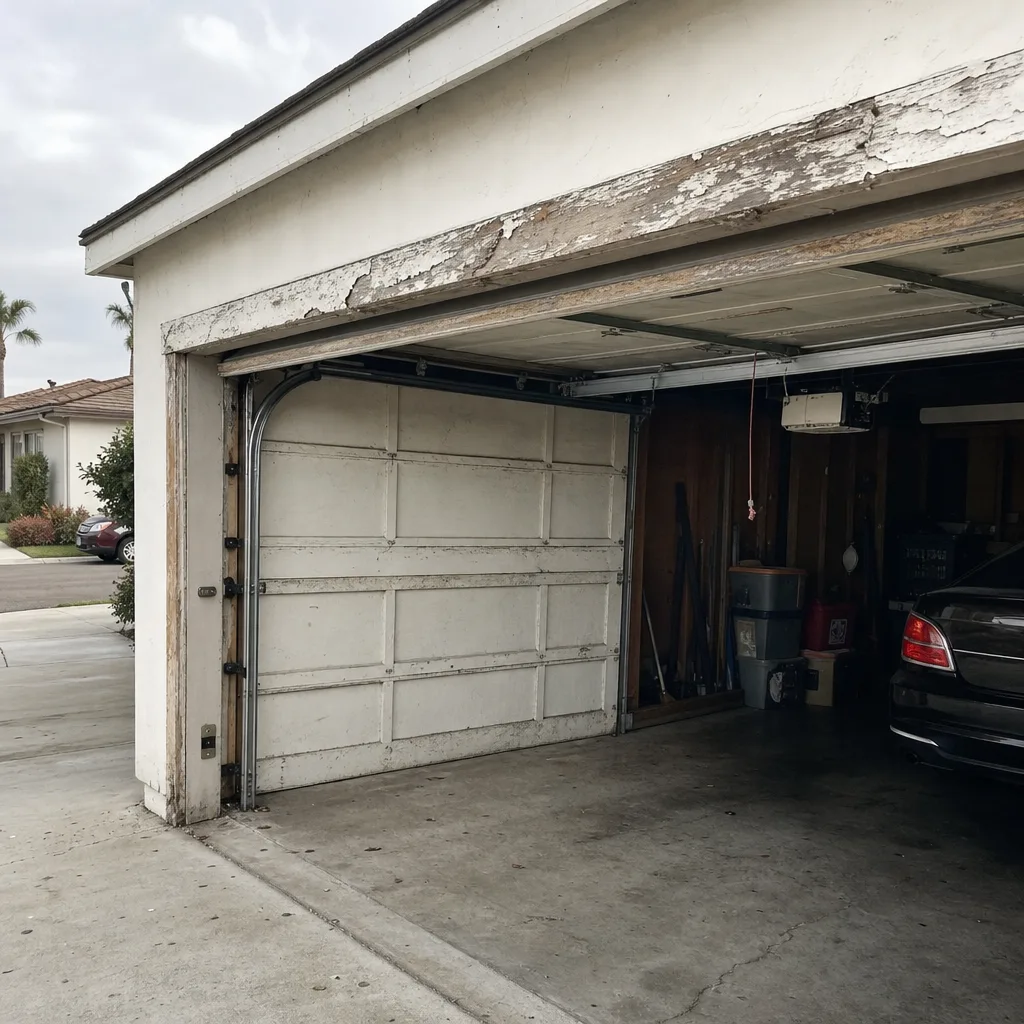
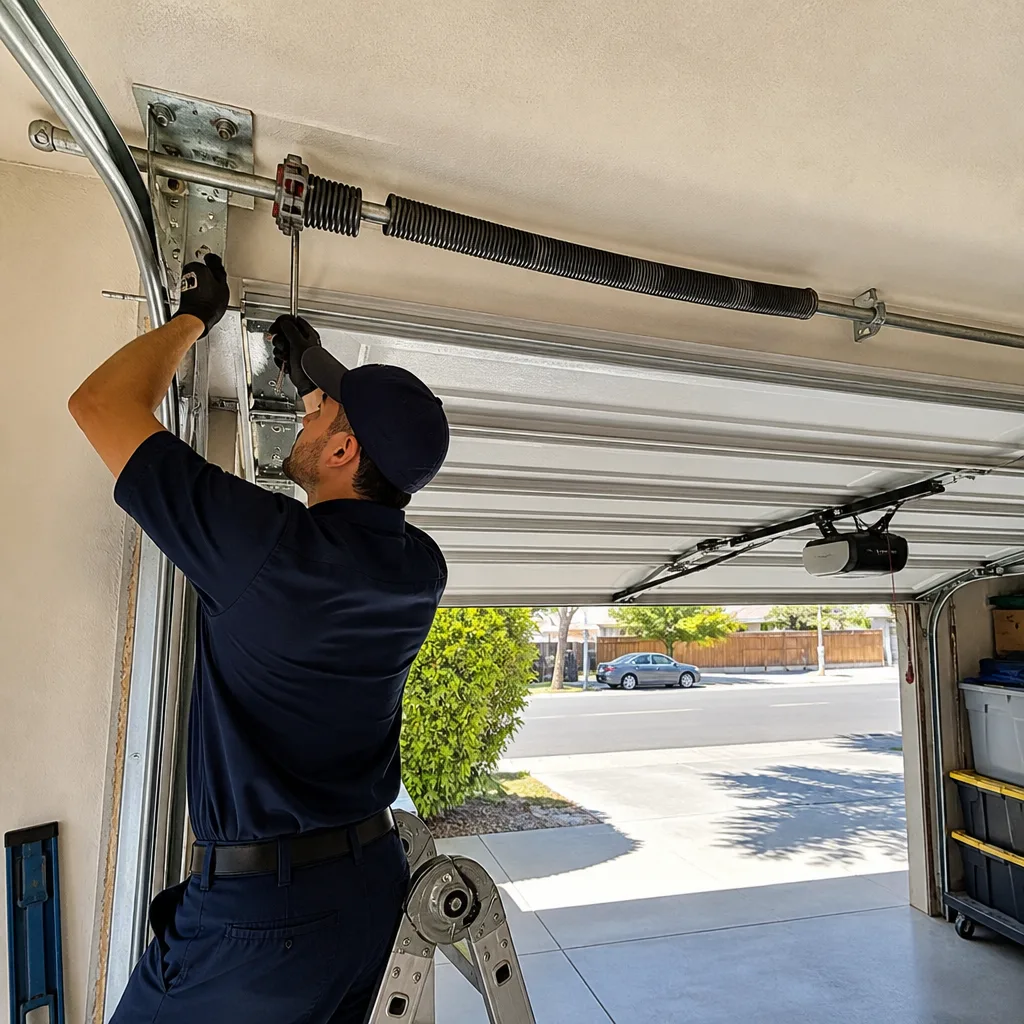
See the difference
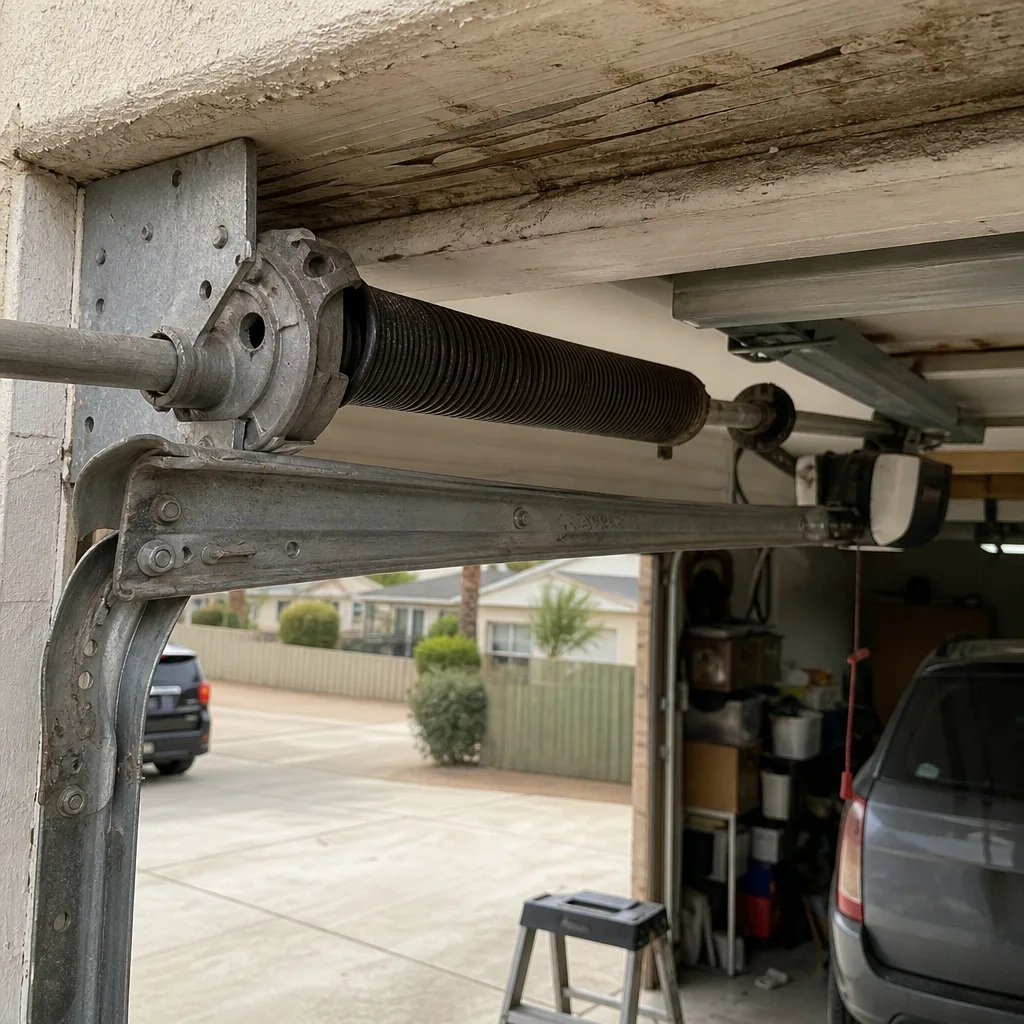 Before
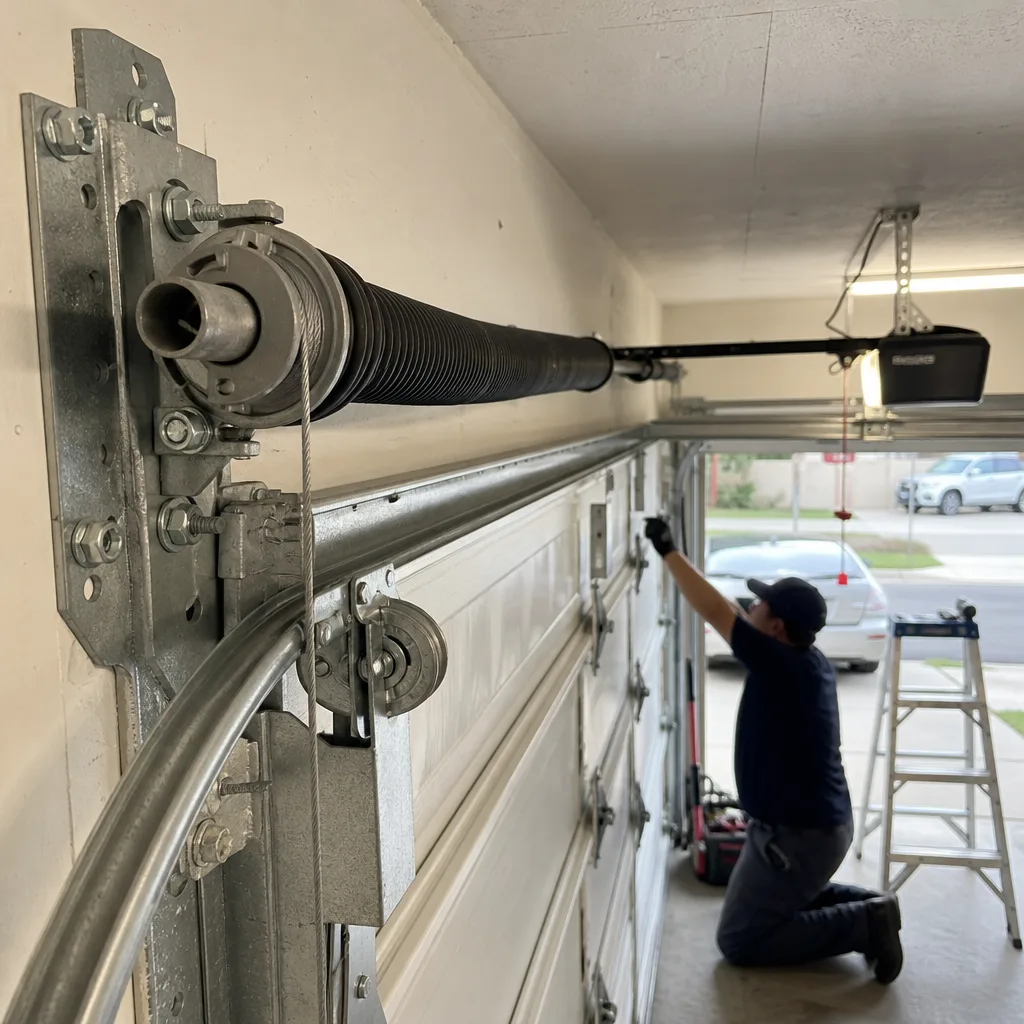 After
 Before
 After
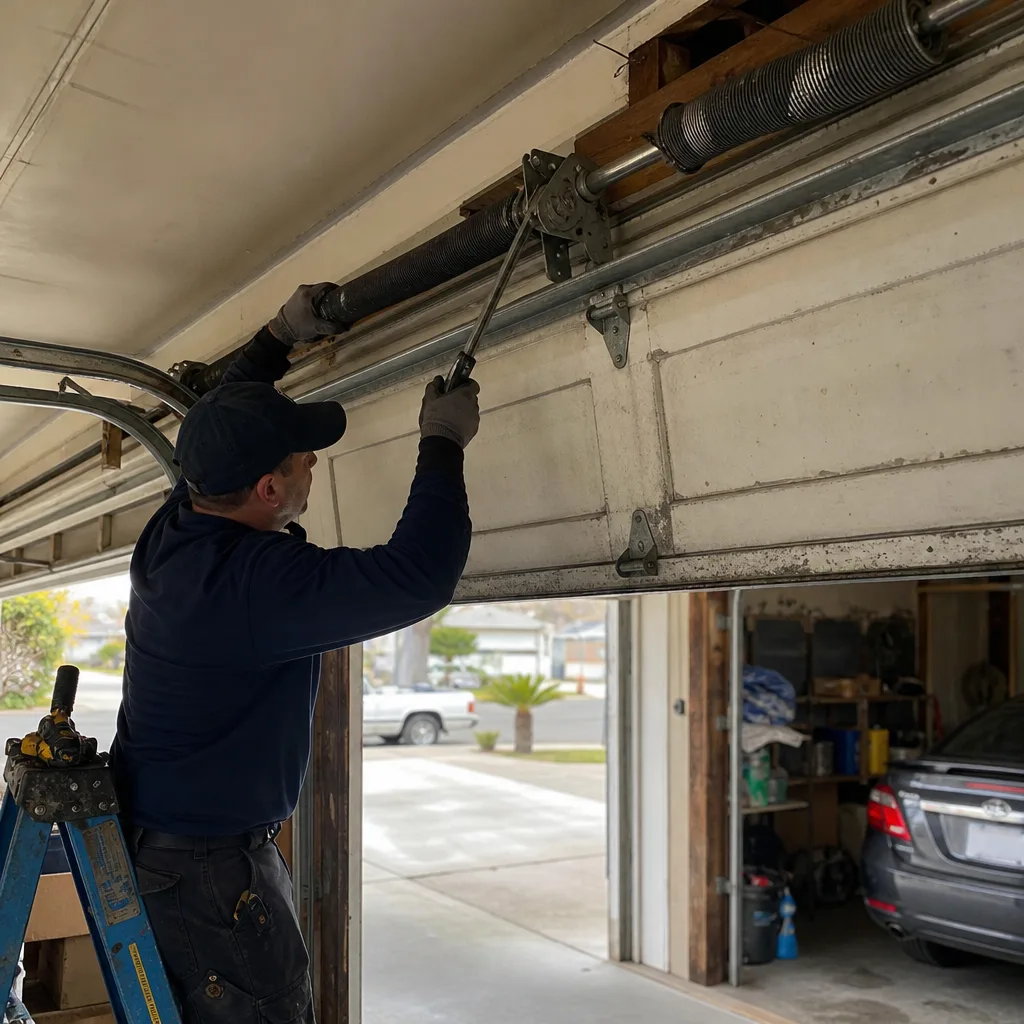 Before
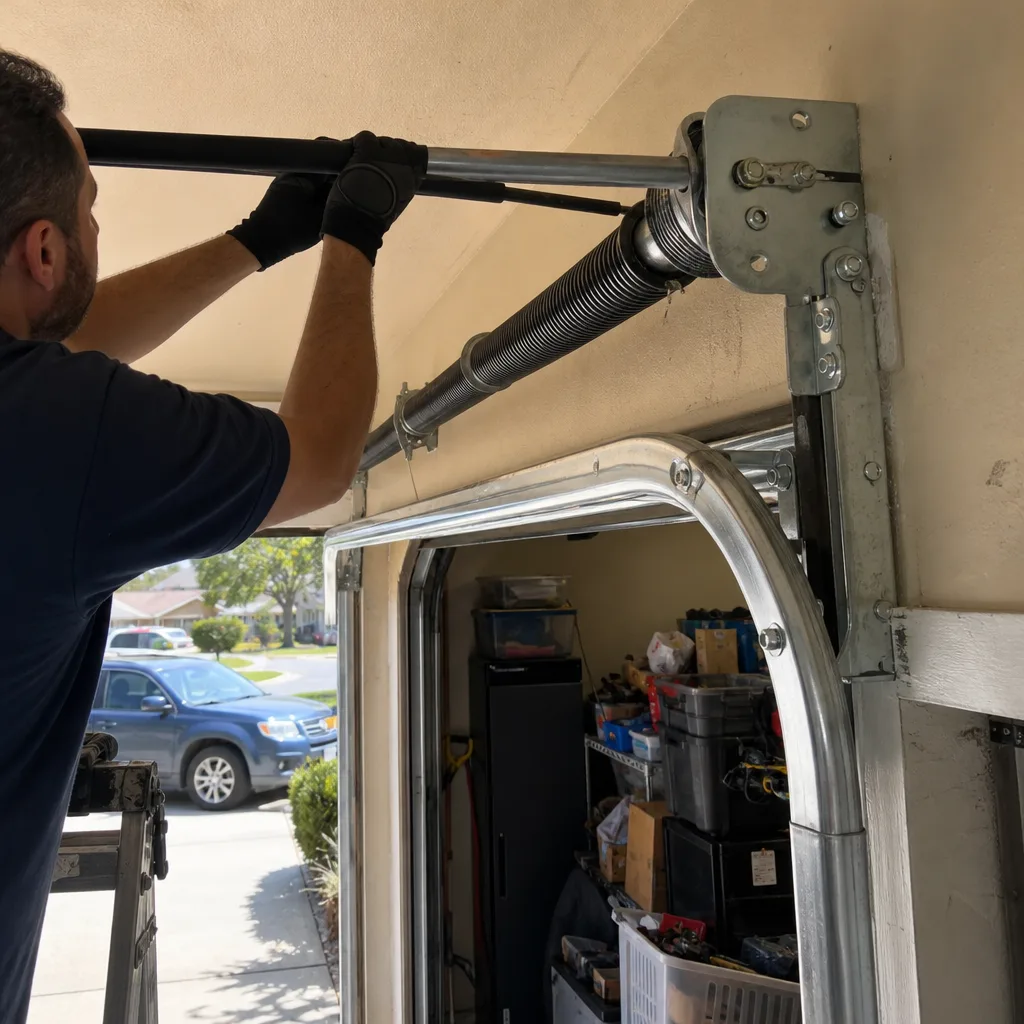 After
When to Call a Professional
Some garage door issues are clear signs that a trained technician should handle the job. A snapped torsion spring, a frayed cable, or a door that’s come off its tracks are all scenarios where the stored energy and mechanical risk make professional service essential. A door that’s sagging on one side, an opener that runs but doesn’t move the door, or a panel that’s been dented by a vehicle are less urgent but still warrant a diagnostic visit. Chula Vista’s climate tends to accelerate failures that start small, so what looks like a minor issue in March can become a complete door failure by June. Hallmark Garage Door Repair offers free estimates in Chula Vista, call (833) 467-4256, and our technicians work from opener to panel, diagnosing the full system rather than just the symptom that got your attention.
Frequently Asked Questions
Garage door repair in Chula Vista typically costs between $120 and $390 depending on what’s broken. A broken torsion spring replacement runs roughly $180 to $340, cable replacement lands in the $150 to $250 range, and roller replacement is usually $120 to $200. The price is quoted and agreed before any work starts, so there are no surprises on the invoice. For a specific quote on your door, call (833) 467-4256 and describe what you’re seeing.
A 24-gauge steel garage door in Chula Vista typically lasts 15 to 20 years with proper maintenance, though hardware like springs and rollers will need replacement multiple times within that span. Coastal homes in the 91910 and western 91911 neighborhoods may see shorter hardware life due to salt-air exposure, but the panels themselves hold up well with factory finishes. The spring system is the component most affected by Chula Vista’s climate, with springs typically lasting 8 to 14 years depending on door size and usage frequency.
Yes, in most Chula Vista master-planned communities including Eastlake, Otay Ranch, and Rolling Hills Ranch, a full garage door replacement requires HOA architectural review and approval. The review process typically takes from a few days to three weeks depending on your community’s schedule. Repairs to existing doors, like spring replacement or opener repair, do not require HOA approval because they don’t change the visible appearance of the door.
Yes, spring replacement in Chula Vista is typically a same-day repair. We carry common spring sizes for residential doors on the truck, which lets us complete most spring replacements in a single visit. The repair itself takes about an hour for a standard two-spring configuration. Call (833) 467-4256 and we’ll give you an arrival window and an exact quote before any work begins.
A belt-drive opener from LiftMaster or Chamberlain is the quietest option for a Chula Vista home with a bedroom or living space above the garage. Belt drives reduce operating noise dramatically compared to chain drives, and current DC-motor models from both manufacturers are substantially quieter than older AC units. If you’re considering an upgrade, our Garage Door Opener Repair in Chula Vista service can evaluate whether your current opener is best repaired or replaced for quieter operation.
A new garage door installed in Chula Vista typically runs from $1,200 to $3,500 depending on door size, material, insulation value, and style. A standard single-car 24-gauge steel door with basic hardware starts at the lower end of that range; a double-wide insulated steel door with windows and a factory finish lands at the higher end. Our Garage Door Installation in Chula Vista guide has a complete breakdown, and every quote is confirmed before ordering and before installation begins.
The Bottom Line
Your garage door in Chula Vista is living in a specific set of conditions most national guides never address: salt-influenced air, a marine layer that arrives on schedule every summer, HOA architectural rules that govern what you can install, and a building division that distinguishes between repairs and structural changes. The door itself is a system of seven components that all need attention at different intervals, and understanding that system is the difference between a $150 roller replacement and a $900 emergency repair. Whether you’re maintaining the door you have, replacing a failed spring, or planning a full installation that passes review in Eastlake or Otay Ranch, the same principle applies: diagnose right and fix right, from opener to panel.
Written by the team at Hallmark Garage Door Repair, serving Chula Vista since 2016.