
Last updated October 30, 2026
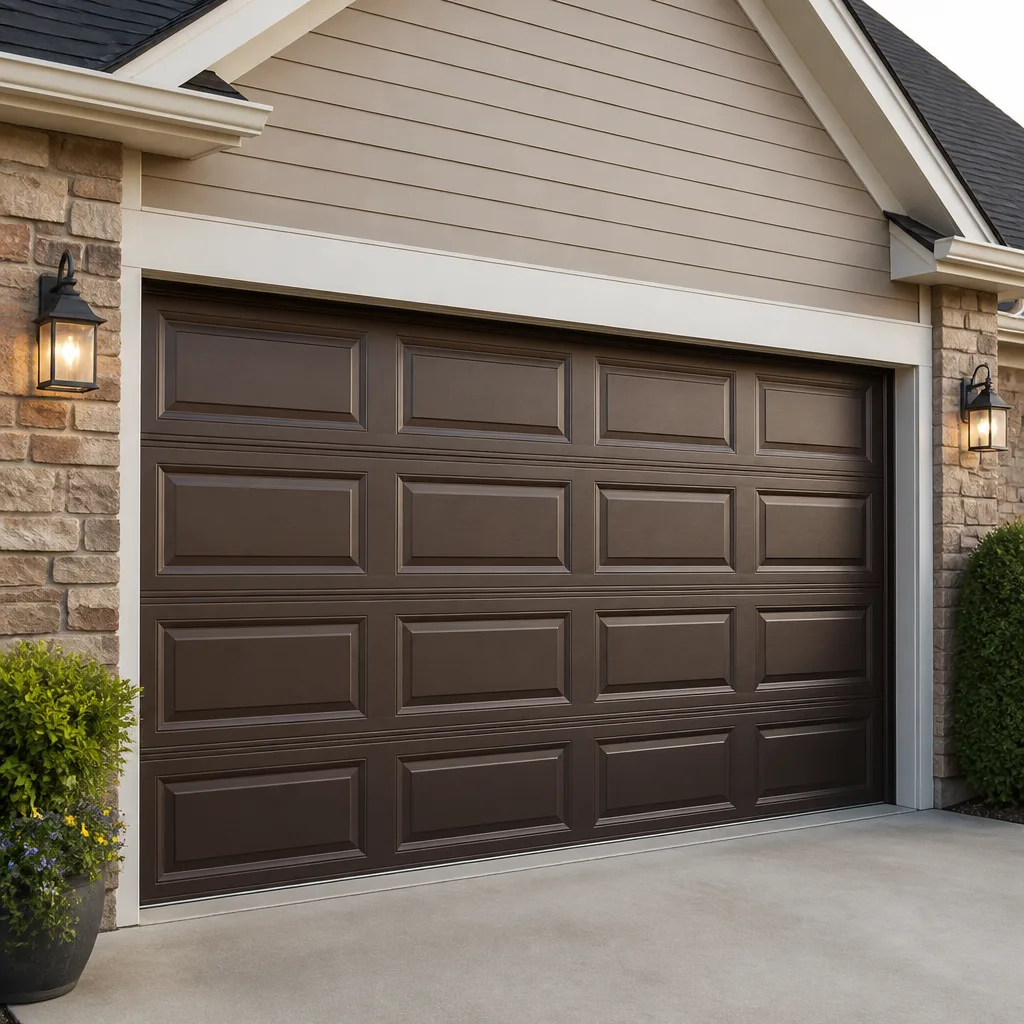 Raised-panel steel
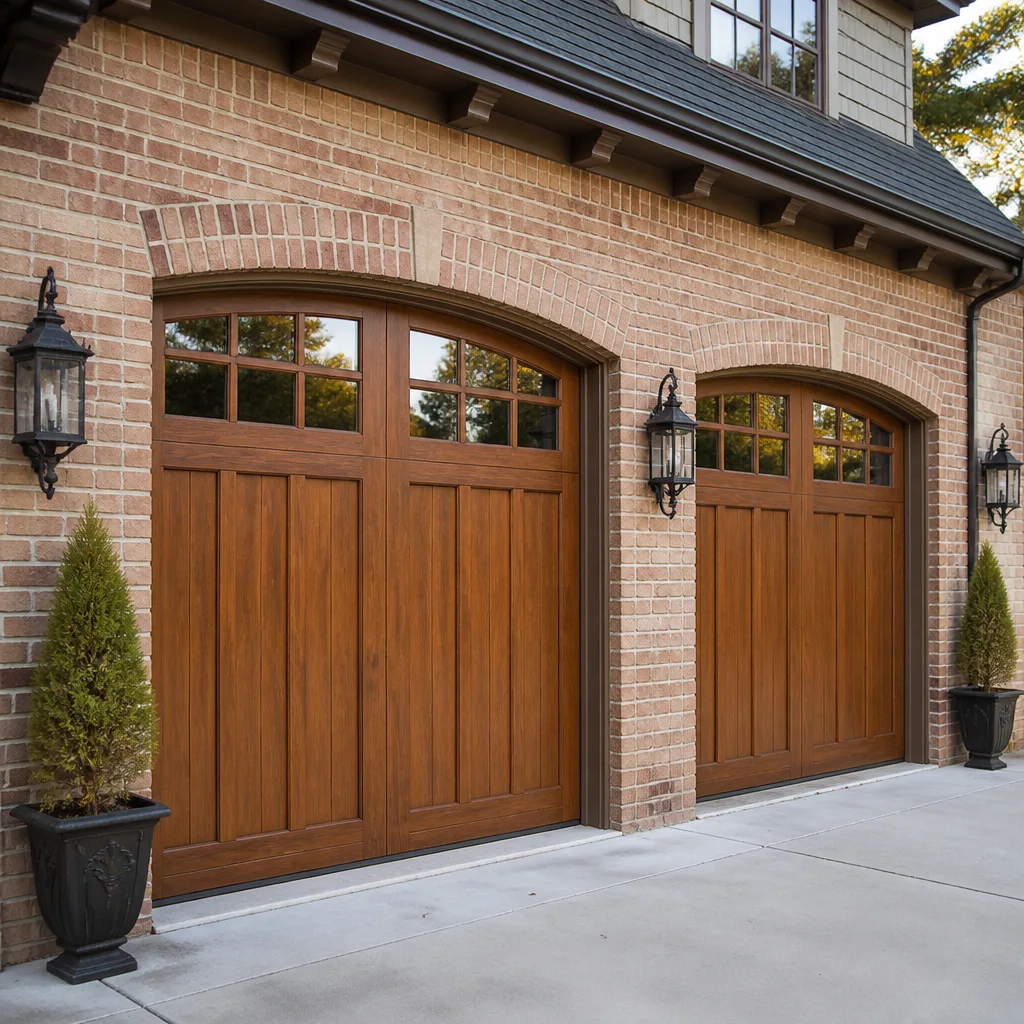 Carriage house
 Modern flush
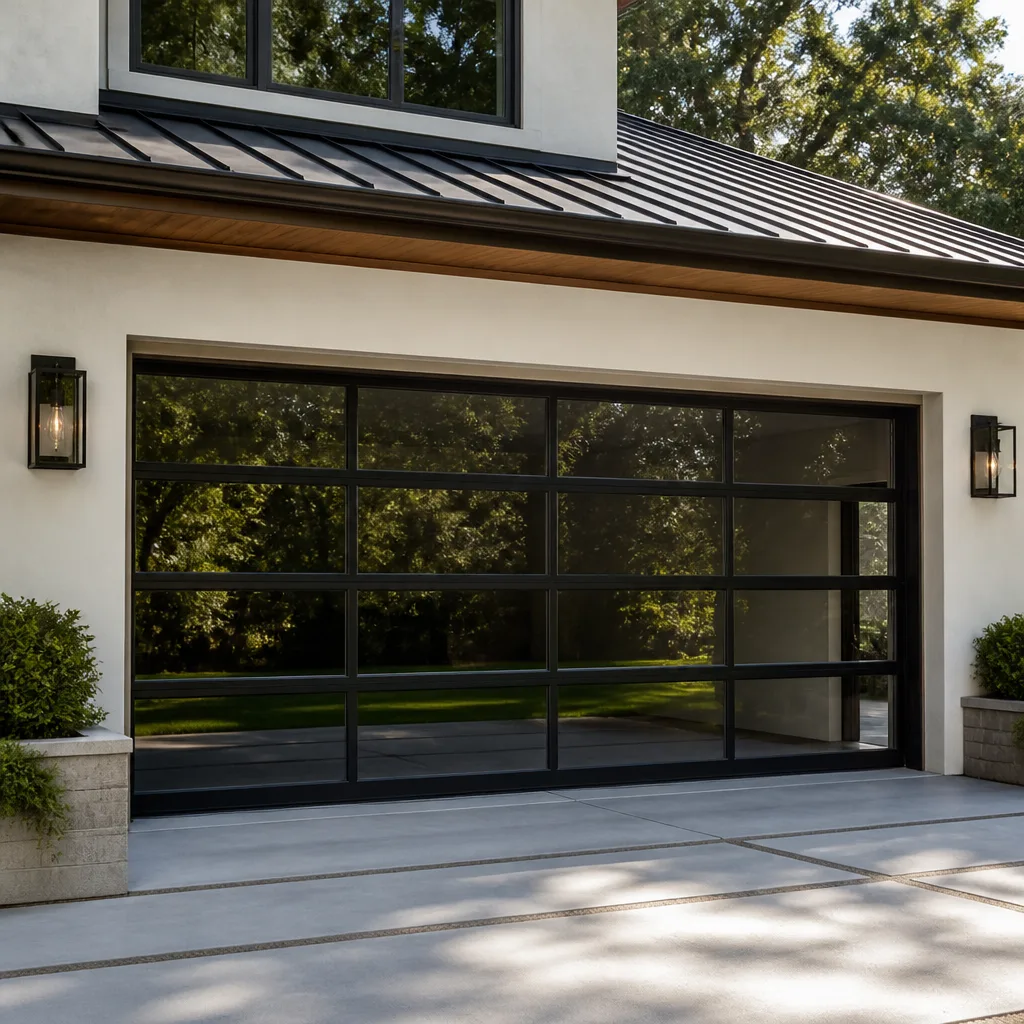 Full-view glass
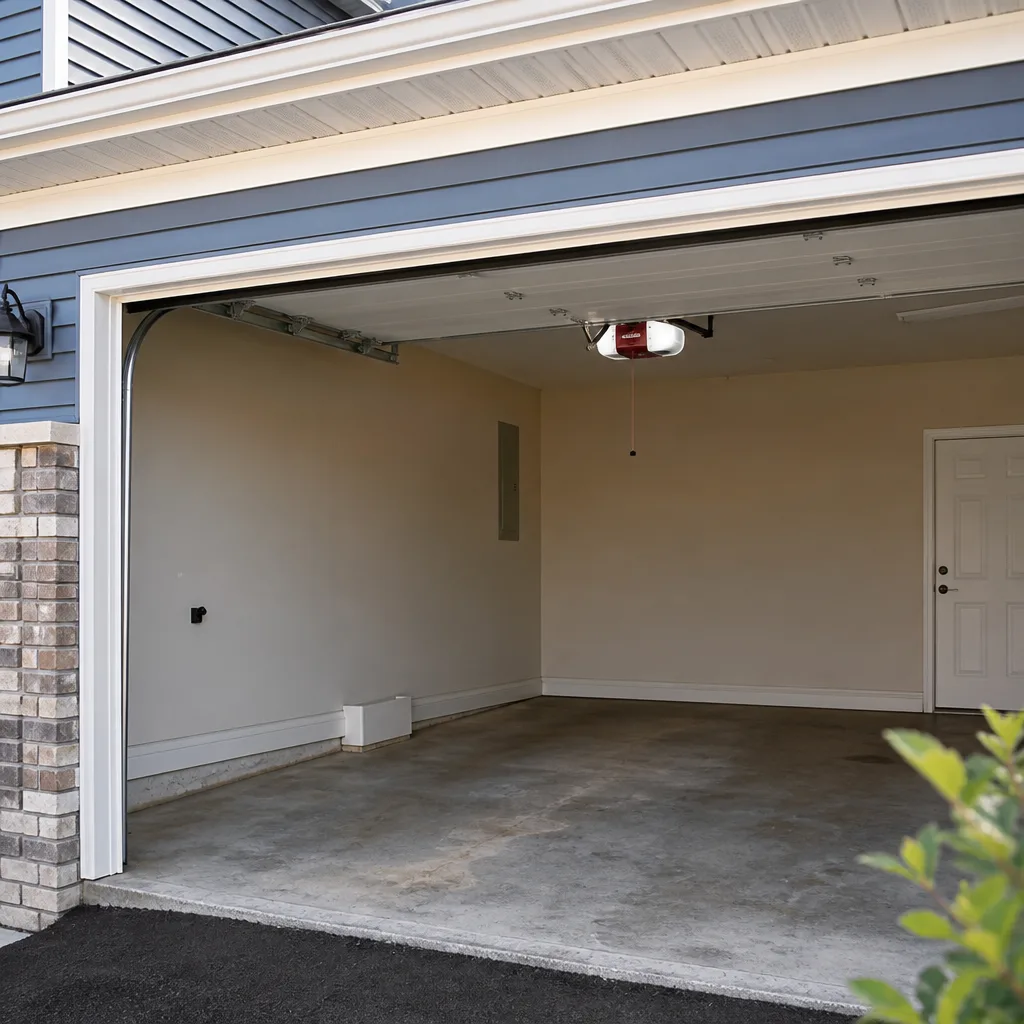 LiftMaster openers
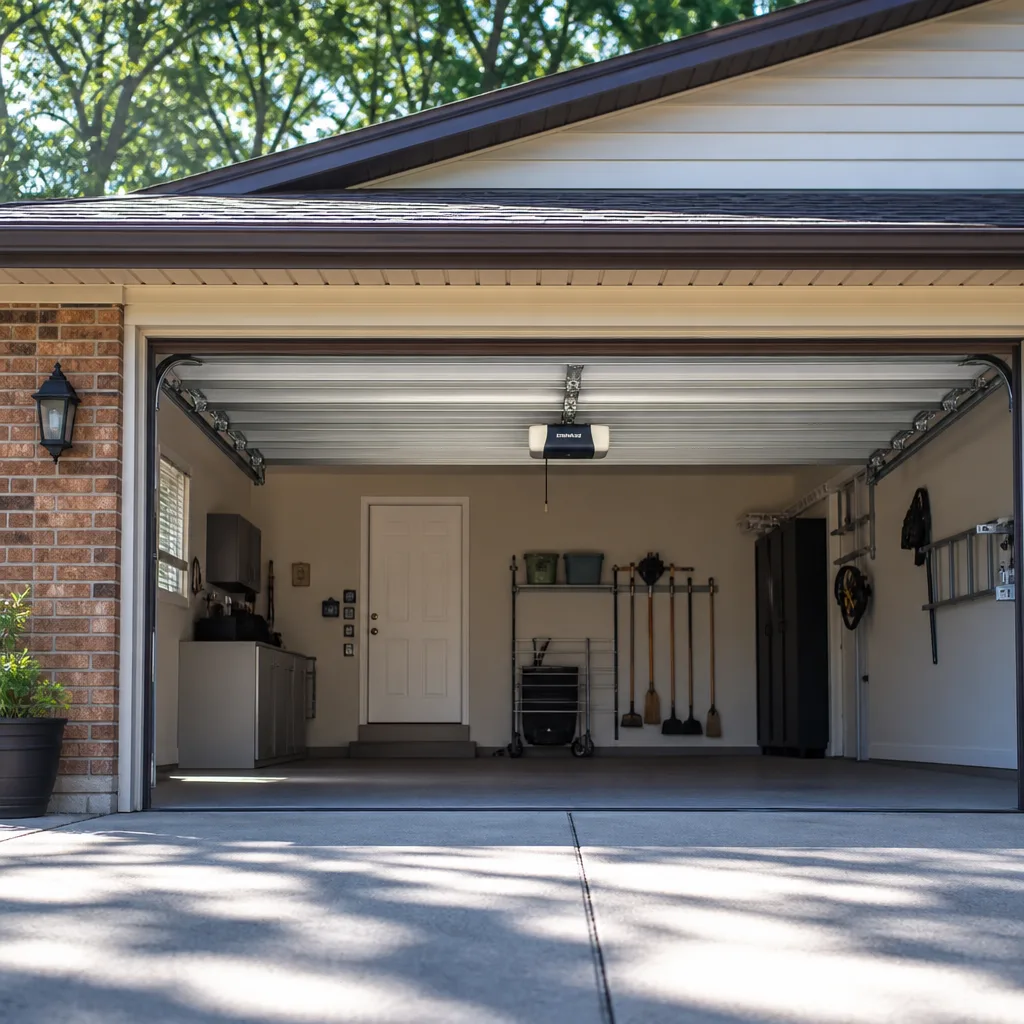 Chamberlain openers
Full 25-point door and opener safety check with every visit - springs, cables, rollers, tracks, and your LiftMaster or Chamberlain opener included
You get a price before we start. It does not change when the truck arrives.
Get your free estimateGarage Door Repair Maintenance Checklist for Chula Vista Homeowners
Torsion springs in coastal Southern California don’t fail on the schedule the manufacturer assumes. Salt-laden air off San Diego Bay can cut rated cycle life by 20 to 30 percent on bare-steel springs, and most Chula Vista homeowners find this out when the spring snaps on a Tuesday morning with the car still in the garage. This guide walks through the components that degrade fastest in our specific climate: the galvanized hardware, the springs, the cables, the bottom seal, and the roller bearings. For related reading, see our Garage Door Repair Troubleshooting: Common Problems and How to Fix Them. You’ll learn what to inspect, in what order, and when to stop looking and call a specialist.
Quick Answer
A Garage Door Repair maintenance checklist for Chula Vista homeowners should prioritize quarterly inspections of torsion springs for rust pitting, cables for fraying, the bottom seal for compression loss, and roller bearings for corrosion noise. Because coastal humidity and canyon-to-coast temperature swings accelerate wear on bare steel and galvanized hardware, Chula Vista doors need inspection roughly twice as often as the national average recommendation. When in doubt about spring tension or cable integrity, call a professional at (833) 467-4256 rather than attempting a DIY fix.
Styles & brands we work with
Table of Contents
- Why Torsion Springs Fail Faster in Chula Vista
- The Quarterly Inspection Sequence
- Rust Pitting vs. Surface Discoloration: How to Tell the Difference
- Lubrication in Coastal Conditions: What Actually Works
- Weatherstripping Wear and When to Replace It
- Annual Opener Force-Setting Test
- Common Mistakes to Avoid
- When to Call a Professional
- Frequently Asked Questions
Why Torsion Springs Fail Faster in Chula Vista
Most torsion springs are rated for 10,000 cycles, which manufacturers translate to roughly seven to ten years of normal use. That math assumes a dry climate and moderate temperature swings. Chula Vista has neither. The marine layer that rolls through Otay Ranch and Eastlake between May and July deposits a fine salt film on exposed metal surfaces. Over time, that film eats into bare spring steel and creates microscopic pits that concentrate stress. Each time the door cycles, those pits become fracture points.
We’ve seen springs rated for 10,000 cycles fail at the 6,500 to 7,000 mark in Chula Vista when the garage lacks ventilation and the door faces west toward the bay breeze. The temperature differential matters too. A spring wound tight at 55 degrees behaves differently than the same spring at 95 degrees in Bonita or Rancho del Rey. The steel expands, the torque characteristics shift slightly, and the spring works under conditions its manufacturer never tested for.
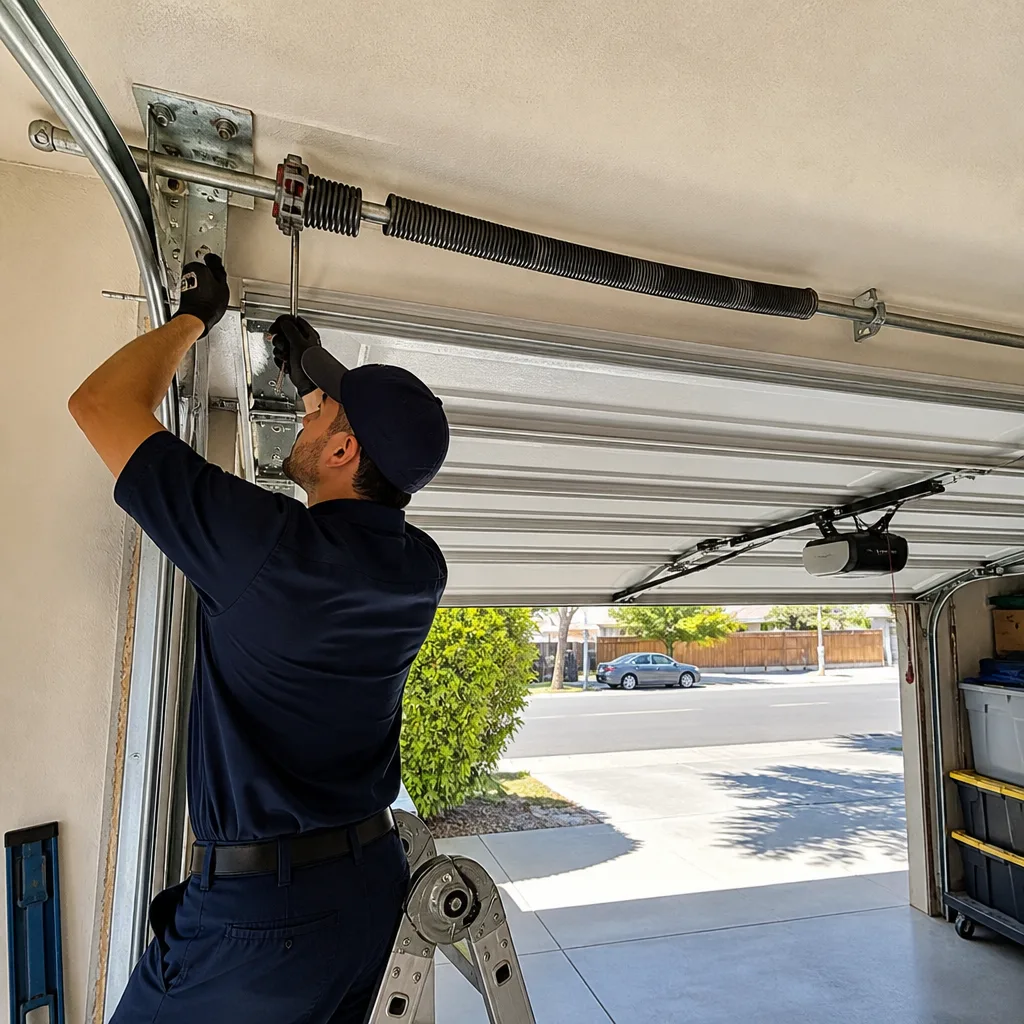
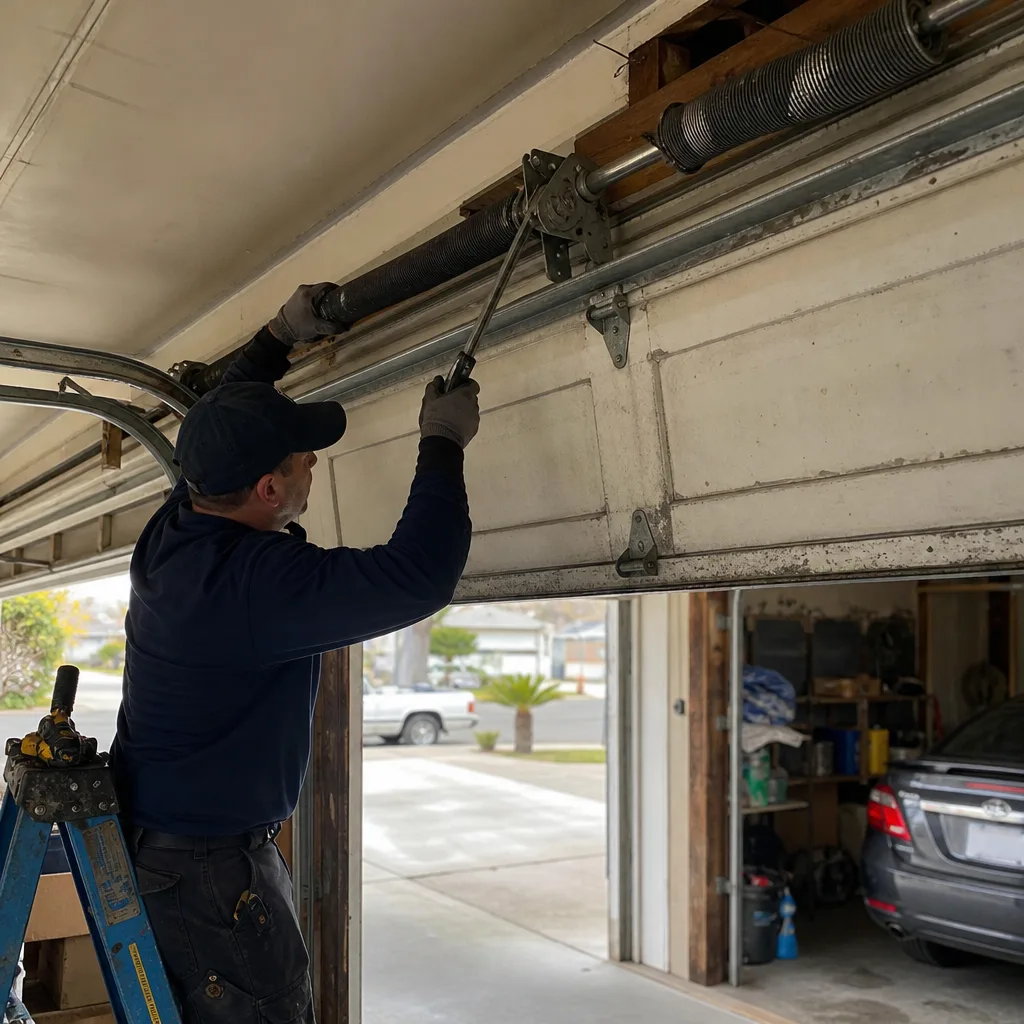
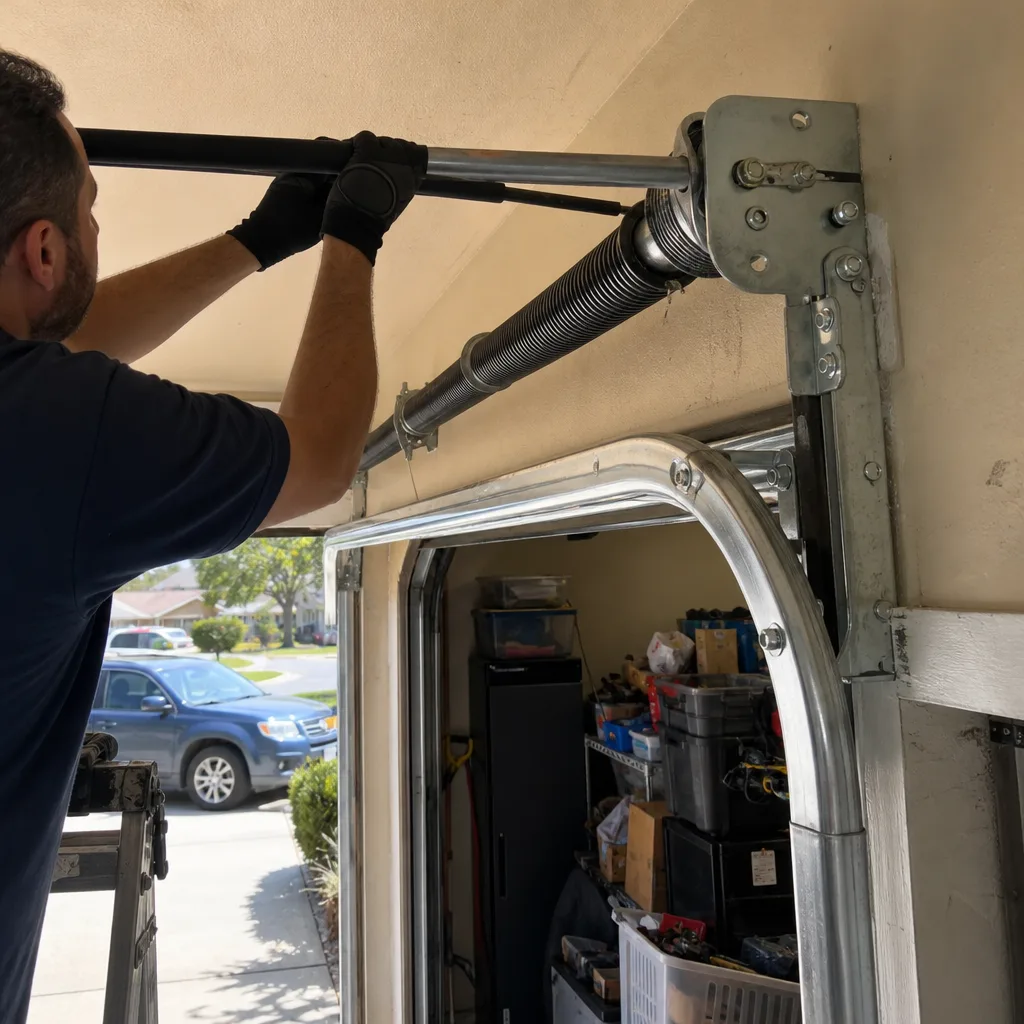
What this means for your maintenance routine: inspect springs every quarter, not once a year. Look for rust on the coil surface, gaps between coils that suggest fatigue, and any visible deformation. If you see a gap in a torsion spring, that spring is already broken and needs replacement before the door moves again. Do not attempt to remove or replace a torsion spring yourself. The stored torque is enough to cause serious injury. This is the one component where a phone call to (833) 467-4256 is always the right maintenance step.
For broader context on how spring failure connects to other door problems, see our Garage Door Repair in Chula Vista page.
The Quarterly Inspection Sequence
Most maintenance checklists tell you to inspect everything at once, which is overwhelming and leads to skipped steps. A Chula Vista-specific sequence orders the components by how quickly they degrade in our climate. Here is the order we recommend, along with what to look for at each stop.
- Torsion springs (highest priority): Look for rust, gaps between coils, and any coil that sits at an angle. Surface rust alone may be cosmetic. Pitting, which we cover below, is structural.
- Lift cables: Run your eyes along both cables from drum to bottom bracket. Look for frayed strands, rust at the crimped ends, and any cable that appears loose on the drum. A cable with three or more broken strands in a six-inch span is near failure.
- Bottom seal and weatherstripping: Close the door and check for daylight visible beneath the corners. The bottom seal on a Chula Vista door stiffens and compresses faster than inland due to salt and UV exposure.
- Roller bearings: Open and close the door manually (use the release handle after disconnecting the opener). Listen for grinding, squealing, or a rumbling sound from the rollers. Any roller that doesn’t spin freely is adding load to the opener motor.
- Hinges and brackets: Look for loose bolts, especially on the bottom bracket and center hinges. Coastal humidity loosens hardware through repeated expansion and contraction of the metal and wood framing.
- Track alignment: Check the vertical tracks for rust, especially at the bottom where moisture collects. Look for gaps between the track and the wall brackets.
This sequence takes about ten minutes once you know what you’re looking at. The point isn’t to fix everything yourself. The point is to catch the two or three items that need professional attention before they become emergency calls. As a single-trade specialist, Hallmark Garage Door Repair handles every item on this list, from opener to panel, so one inspection can lead to one comprehensive fix rather than a patchwork of handyman repairs. You can learn more about our repair scope on the Hallmark Garage Door Repair home page.
Rust Pitting vs. Surface Discoloration: How to Tell the Difference
This is the most common question we hear from Chula Vista homeowners: is the rust on my spring a problem or not? The answer depends on whether you’re looking at surface discoloration or actual pitting.
Surface discoloration appears as an even, reddish-brown film across the spring coil. It’s cosmetic. The steel beneath remains structurally intact, and the spring can typically serve out its remaining rated life. You can slow further oxidation by keeping the garage ventilated and avoiding storing pool chemicals near the door (chlorine fumes accelerate steel corrosion significantly, a factor we see often in Eastlake and Otay Ranch homes with garage pool equipment).
Rust pitting looks different. Instead of an even film, pitting appears as tiny craters or rough patches where the rust has eaten into the metal. You can sometimes detect pitting by feel: run a gloved finger lightly over a suspect area, and pitted steel feels rough or uneven rather than smooth. Pitting concentrates stress at each crater. A spring with visible pitting is compromised and should be evaluated by a professional. A spring with pitting in more than one location should be replaced.
Here’s a simple threshold: if the rust wipes off on a rag as a fine powder, it’s surface-level. If it doesn’t wipe off and the metal beneath looks rough, pitted, or flaky, that’s structural. When you see structural rust on a torsion spring in Chula Vista, stop using the door and call (833) 467-4256 for an evaluation. The price to replace a spring before it snaps is always lower than the price to repair a door that fell off its track when the spring let go.
Lubrication in Coastal Conditions: What Actually Works
Most garage door lubrication advice on the internet is written for dry climates and generic hardware. Chula Vista’s humidity changes what works and what doesn’t.
WD-40 is not a lubricant. It’s a water displacer and solvent. It will clean rust off a hinge, which feels productive, but it leaves behind almost no lasting film. In Chula Vista’s humid air, a WD-40-treated roller will start squeaking again within weeks. What works on rollers and hinges in our conditions is a white lithium-based grease. Lithium grease clings to metal, resists wash-out from humidity, and maintains a protective barrier against the salt film that accumulates on exposed hardware.
Here’s a simple lubrication routine for Chula Vista doors:
- Rollers: Apply lithium grease to the bearing surface, not the wheel that contacts the track. Greasing the track itself attracts dust and salt and creates a grinding paste.
- Hinges: A small dab on each hinge pivot point, worked in by opening and closing the door a few times.
- Torsion spring: A light coat of lithium grease along the coil surface helps slow rust formation. Use a rag to wipe away excess so it doesn’t drip onto the door.
- Opener chain or screw: For Chain-drive openers, a light application of chain lubricant (not grease) every six months. For screw-drive openers, White lithium grease is appropriate. For belt-drive openers, no lubrication needed.
If you’re unsure which lubricant to use on a specific component, or if you’d rather have a professional handle the full lubrication service during a tune-up, call Hallmark Garage Door Repair at (833) 467-4256. Our technicians carry the correct lubricants for LiftMaster, Chamberlain, Genie, and Craftsman systems and can perform the full service as part of a single visit.
Weatherstripping Wear and When to Replace It
The bottom seal on a Chula Vista garage door lives a hard life. It’s compressed every time the door closes, exposed to UV from the southern sun, and gradually hardened by salt air. A seal that’s lost its flexibility stops doing its job: keeping water out during winter rains, keeping dust and leaves out year-round, and keeping conditioned air in if your garage is climate-controlled.
Here’s how to judge whether your bottom seal needs replacement without calling a technician:
- The compression test: With the door closed, press your finger into the seal where it meets the concrete. A healthy seal flexes and bounces back. A worn seal feels rigid or spongy without springing back. If it doesn’t bounce, it’s done.
- The daylight test: Stand inside the garage with the door closed and the lights off. Look along the bottom edge for daylight showing through. Any visible gap means water, dust, and pests have a path in.
- The crack test: Bend a section of the seal between your fingers. Visible cracking or splitting at the flex point means the rubber has UV-degraded past its service life. In Chula Vista’s sun, this typically happens at 3 to 4 years on builder-grade seals.
- The shape test: A new seal has a rounded or T-shaped profile that creates a positive seal. A flattened, creased, or misshapen seal has permanently deformed and can’t recover.
Replacement seals cost less than most homeowners expect, especially when compared to the cost of water damage or the pest problems that a failed seal invites. If you’d rather not judge the wear yourself, Hallmark includes seal inspection and replacement as part of our Garage Door Installation in Chula Vista service and repair visits.
Annual Opener Force-Setting Test
Your garage door opener has a built-in safety system that reverses the door if it encounters resistance while closing. This system is calibrated at installation, but it drifts over time. Springs lose tension, the door gains weight, hardware wears, and the opener compensates by pushing harder. The result is an opener that no longer reverses when it should, which is a safety hazard, especially in homes with children or pets.
Here’s the annual force-setting test procedure, which every Chula Vista homeowner should perform at least once a year:
- Close the door completely. Disconnect the opener using the emergency release handle.
- Lift the door manually to the halfway point and release it. A properly balanced door stays in place. If it drops, the springs are under-tensioned and the opener is working harder than it should. If it shoots up, the springs are over-tensioned.
- Reconnect the opener. Place a 2×4 piece of wood flat on the floor directly under the door’s path.
- Close the door using the opener. When the door contacts the 2×4, it should reverse within two seconds. If it doesn’t, the force setting is too high.
- Test the photoelectric sensors by waving an object in front of one while the door is closing. The door should immediately reverse.
If your door fails either test, the opener force settings need adjustment or the door itself needs service. Many Chula Vista homes we visit have openers that were installed on doors that have since gained weight from humidity-absorbed panels or newer, heavier springs. The fix might be as simple as a force adjustment or as involved as a spring replacement. The point is: the annual test catches the problem before the opener burns out or the door closes on something it shouldn’t.
For opener-specific issues including force settings, sensor misalignment, and remote programming, see our Garage Door Opener Repair in Chula Vista page.
See the difference
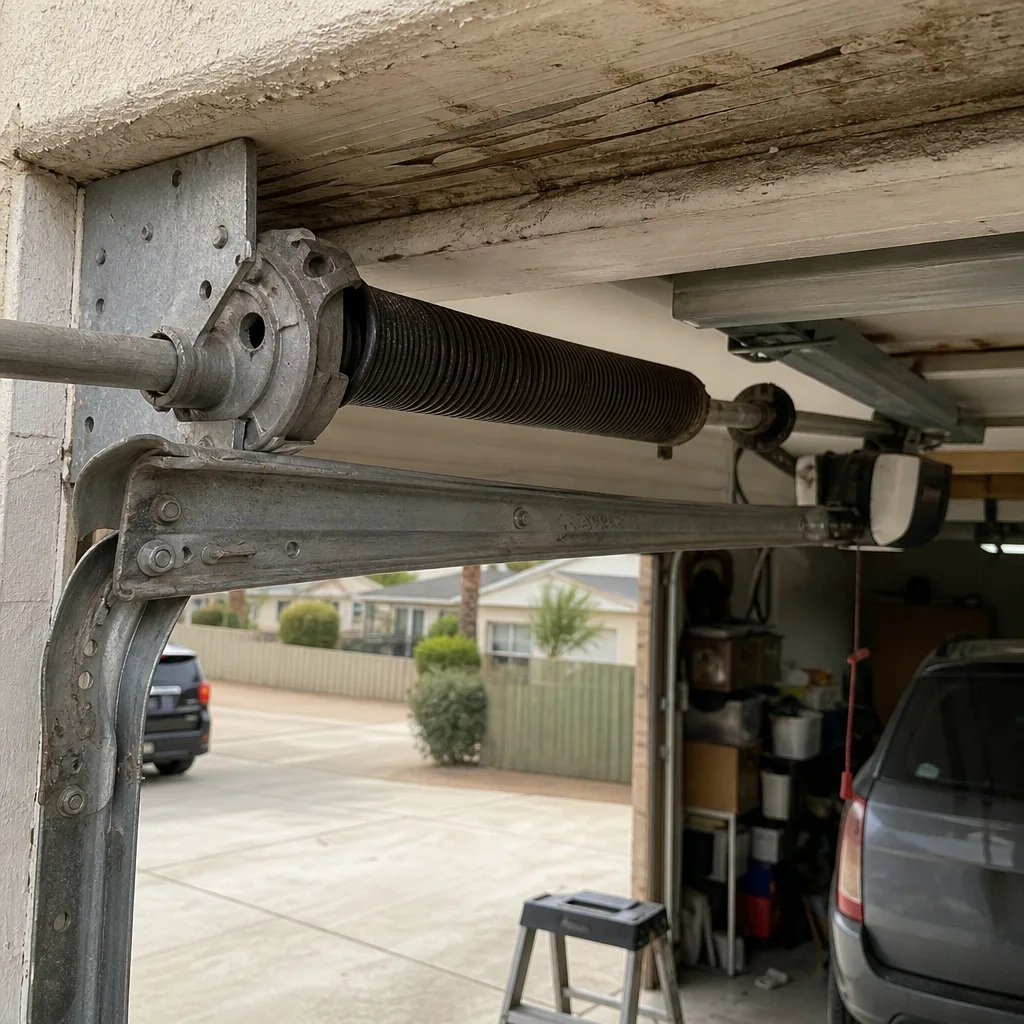 Before
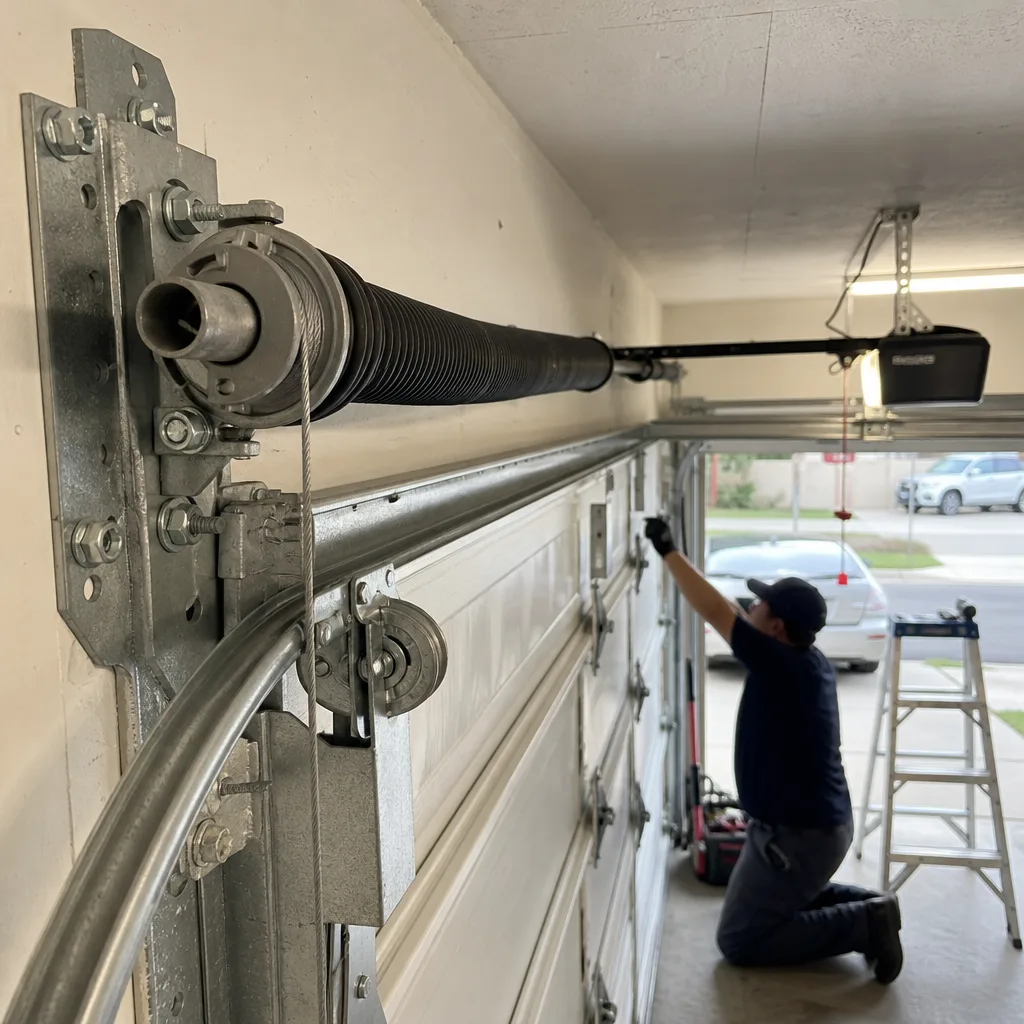 After
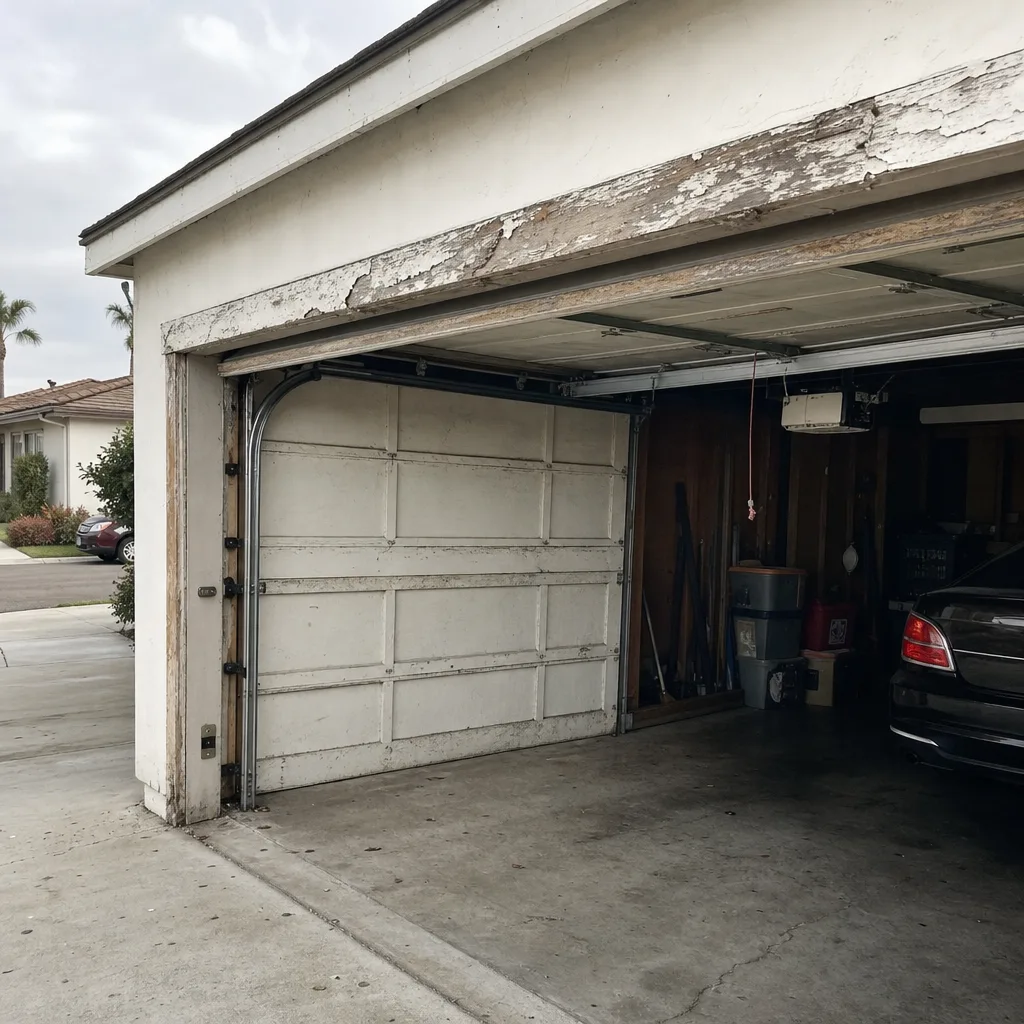 Before
 After
 Before
 After
Key Takeaways
- Chula Vista’s salt air and temperature swings mean garage door components need inspection twice as often as national averages suggest.
- Torsion springs are the highest-priority inspection item. Surface rust is cosmetic; pitting is structural and requires professional evaluation.
- Use lithium-based grease on rollers and hinges, not WD-40.
- The bottom seal has a 3 to 4 year service life in Chula Vista’s UV and salt conditions.
- The annual opener force-setting test takes five minutes and catches problems before they become failures.
- When in doubt, call (833) 467-4256 for a professional evaluation. A service call is cheaper than an emergency repair.
Common Mistakes to Avoid
- Lubricating the track. The track should be clean and dry. Adding lubricant to the track attracts salt-laden dust and creates a grinding paste that accelerates roller wear. Lubricate the bearing, not the track.
- Ignoring a noisy door. A Chula Vista door that squeaks, grinds, or rattles is telling you something. The noise is almost always a lubrication issue, a worn roller, or a misaligned track. All three are cheaper to fix early than late.
- Painting over rust. Painting a rusted torsion spring makes the rust invisible, not gone. The pitting continues under the paint, and you’ve removed your own ability to inspect it. If rust is structural, replace the spring.
- Replacing one spring on a two-spring door. Torsion springs are installed in pairs for a reason. When one fails, the other is at the same fatigue point. Replacing only the broken one means the other will fail soon, and you’ll pay for a second service call. Replace springs in pairs.
- Using the wrong lubricant. WD-40, penetrating oil, and motor oil are all common mistakes. Lithium grease is the right product for garage door rollers and hinges in humid coastal conditions.
- Ignoring the bottom seal until winter. A failed bottom seal is a year-round problem in Chula Vista. It lets dust in during Santa Ana winds, pests in during the mild seasons, and water in during winter rains. Replace it when the compression test fails, whenever that happens.
- Adjusting spring tension yourself. Torsion springs under tension store enough energy to cause serious injury. No maintenance guide should ever instruct a homeowner to adjust, remove, or replace a torsion spring. If the spring needs service, call (833) 467-4256.
When to Call a Professional
Some maintenance tasks are DIY-friendly. Others are not. The line is simple: anything involving torsion spring tension, cable replacement under load, track removal, or opener force recalibration should be handled by a trained technician. These components store energy and can cause serious injury if mishandled. A broken spring, a frayed cable, or a door that won’t reverse on the 2×4 test are all professional calls.
Hallmark Garage Door Repair offers free estimates in Chula Vista. Our technicians are factory-familiar with Clopay, Amarr, Wayne Dalton, and Craftsman doors, and we work on the door you have, not just the brands we sell. Call (833) 467-4256 to schedule an inspection or repair. The quote is always agreed before the work starts, and the price won’t change once we see the door.
Frequently Asked Questions
A professional garage door tune-up in Chula Vista typically costs between $80 and $150, depending on what’s included. Basic lubrication and inspection runs on the lower end. Full service including spring inspection, force-setting calibration, weatherstripping replacement, and opener diagnostics runs higher. Call (833) 467-4256 for an exact quote before any work begins.
Quarterly. Chula Vista’s salt air and temperature swings mean components degrade faster than national averages. A quick ten-minute visual inspection every three months catches rust pitting on springs, fraying cables, and seal compression before they become failures.
Yes, the bottom seal is one of the few components where DIY replacement is reasonable for most homeowners. Buy the correct seal profile for your door brand, use a lubricant to slide the old one out and the new one in, and test with the daylight method when done. If the door is old or the seal is glued rather than channeled, a professional install may be the better option.
A torsion spring breaks when stored tension meets a fatigue point, usually caused by rust pitting or exceeded cycle life. The door being closed when the spring snaps is common. The door doesn’t move because the spring can’t counterbalance the weight. This is a professional repair. Do not attempt to open the door manually against a broken spring.
That depends on the door’s condition and your plans for the home. If the panels are structurally sound, the track is straight, and the opener works, maintenance is usually the smarter spend. If the door has rust on multiple panels, the track is pitted, or the opener is a legacy system that predates current safety standards, replacement may be the better value. Hallmark can assess both paths during a single visit to your Chula Vista home.
Yes. Our trucks are stocked with common parts across Clopay, Amarr, Wayne Dalton, and Craftsman doors, plus LiftMaster, Chamberlain, Genie, and Craftsman opener components. Most spring replacements, cable repairs, and seal replacements are completed the same visit. Call (833) 467-4256 to confirm availability for your specific door model.
The Bottom Line
Garage door maintenance in Chula Vista is not a one-size-fits-all checklist. It’s a climate-specific routine built around the failure patterns we actually see: salt-corroded springs, stiffened seals, seized rollers, and openers pushing harder than they should. The maintenance that matters most is the quarterly inspection, done in the right order, with the right products, and with a clear understanding of what you can safely fix yourself and what requires a professional. If you haven’t inspected your door this season, start today. For more guides & resources, visit our blog, or if you’d rather have a professional handle it, Hallmark Garage Door Repair offers free estimates throughout Chula Vista. Call (833) 467-4256 and we’ll come take a look.
Written by the team at Hallmark Garage Door Repair, serving Chula Vista since 2016.