
Last updated October 30, 2026
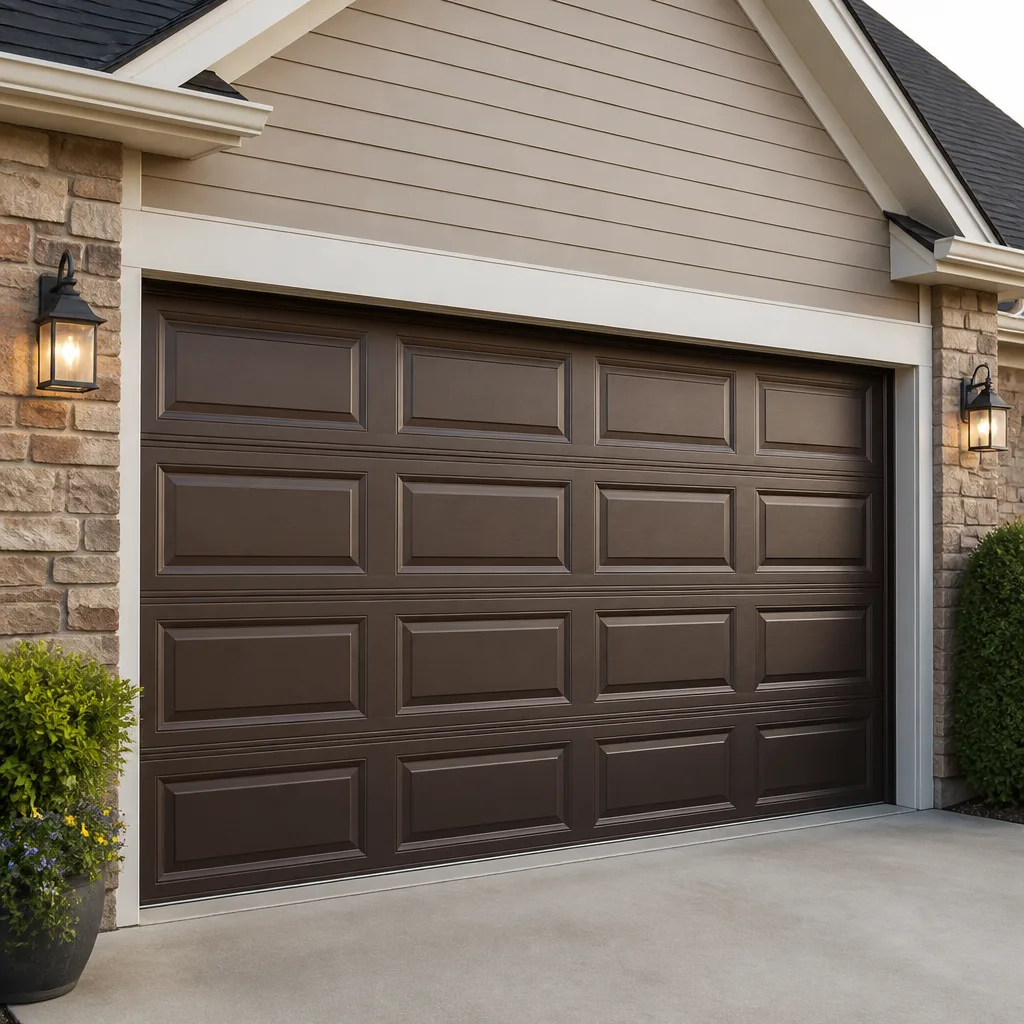 Raised-panel steel
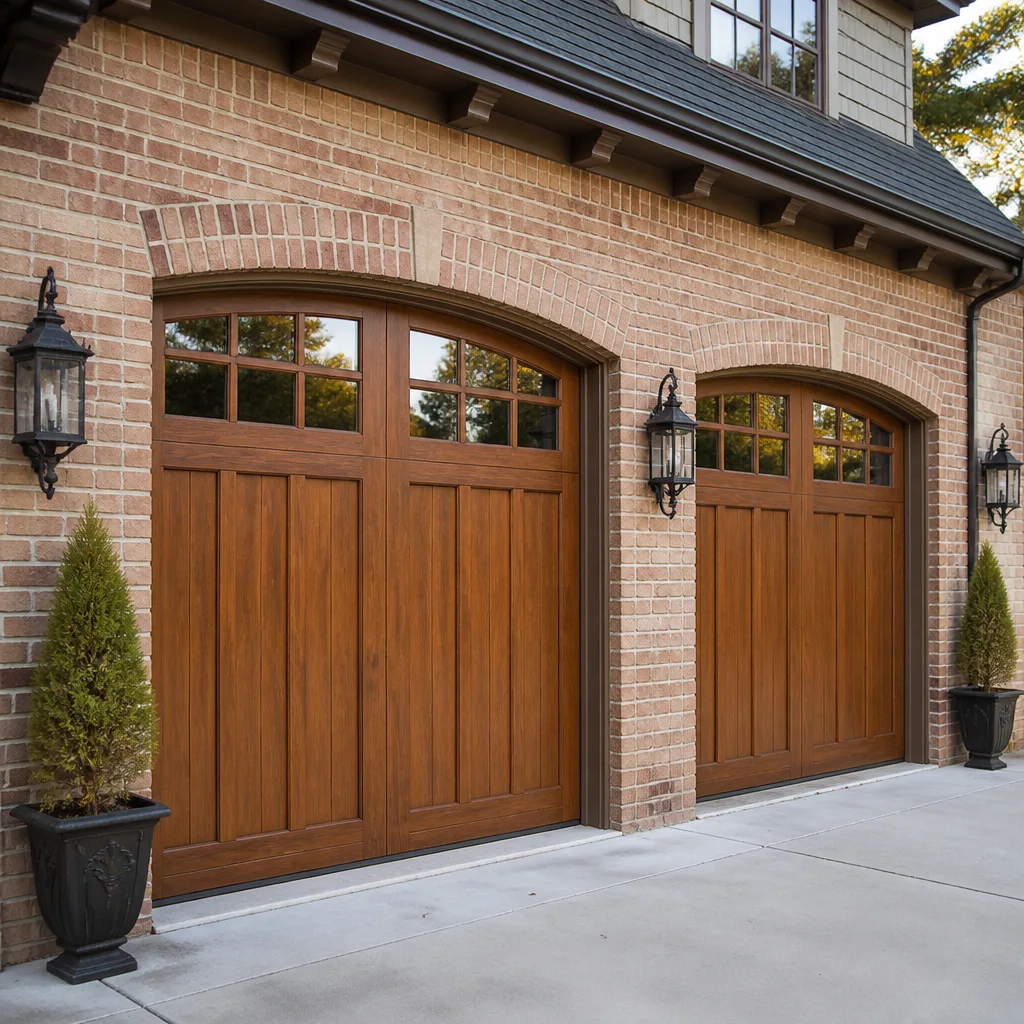 Carriage house
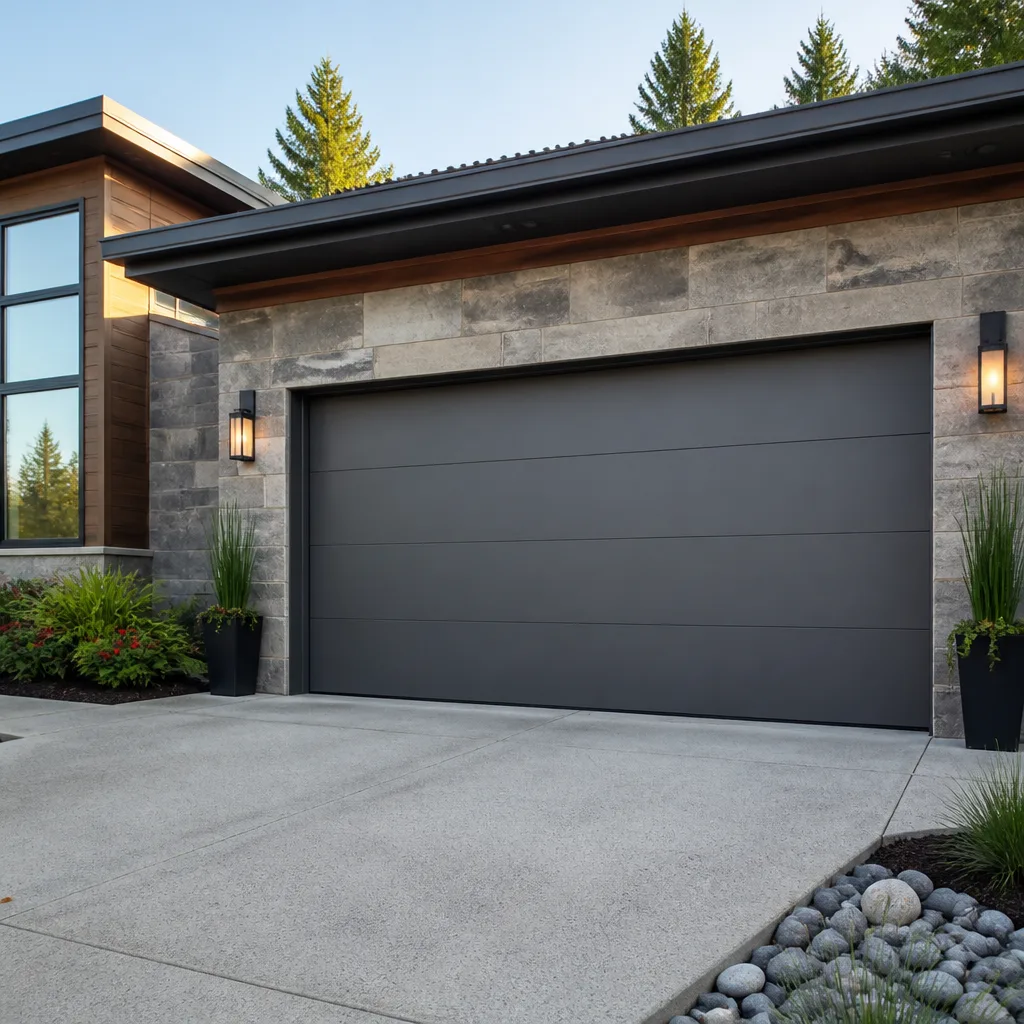 Modern flush
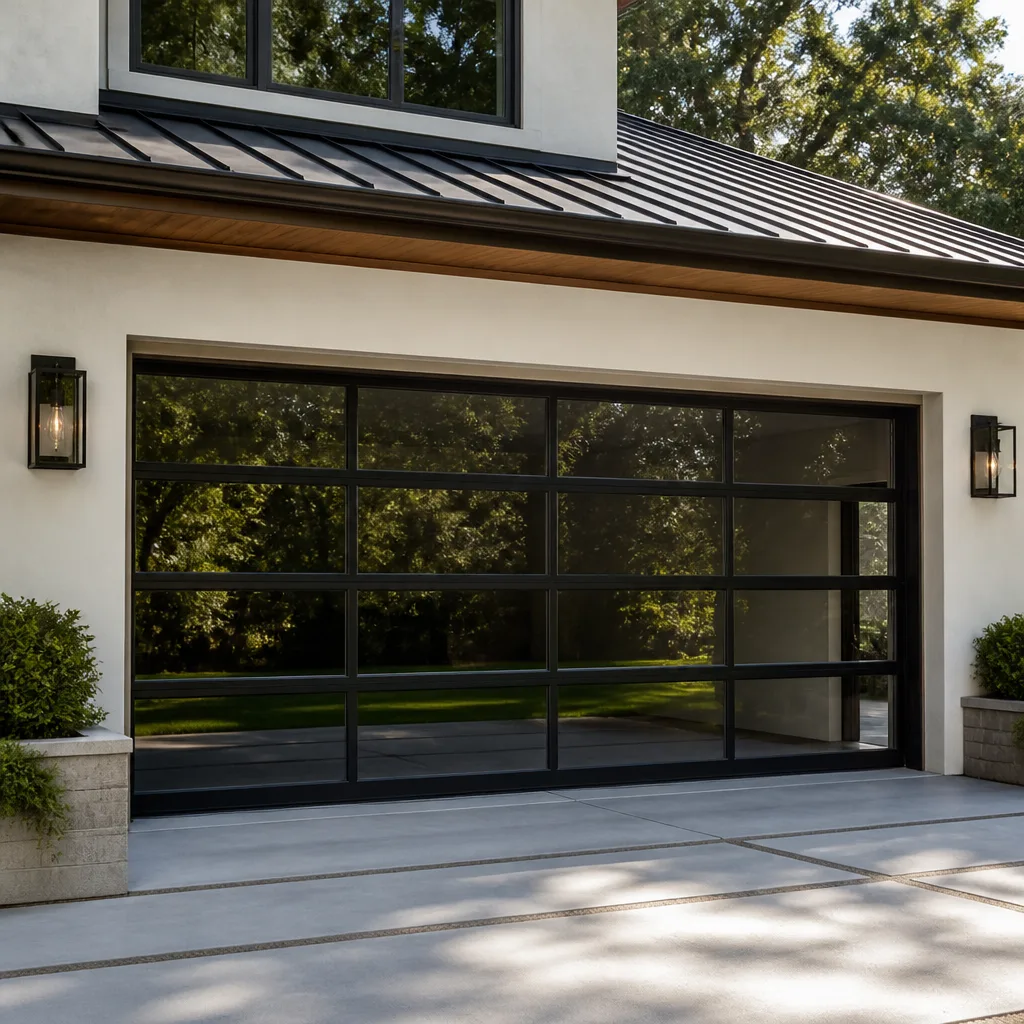 Full-view glass
 LiftMaster openers
 Chamberlain openers
Full 25-point door and opener safety check with every visit - springs, cables, rollers, tracks, and your LiftMaster or Chamberlain opener included
You get a price before we start. It does not change when the truck arrives.
Get your free estimateThe Complete Garage Door Repair Guide for Chula Vista Homeowners
Here’s a fact most national garage door guides miss: a torsion spring in Chula Vista will corrode from the inside out long before it shows visible rust. Salt-laden air rolling off San Diego Bay doesn’t just sit on metal surfaces – it works into the micro-fractures of spring coils and cable strands, weakening the steel at a structural level while the surface still looks fine. This guide maps each major Garage Door Repair category to the conditions Chula Vista homes actually face, so you’ll know what to watch for, when replacement beats repair, and which jobs belong in a professional’s hands. You’ll also learn how to read a service quote without getting taken.
Styles & brands we work with
Quick Answer
Garage door repair in Chula Vista typically costs between $180 and $340 for common fixes like spring replacement, cable repair, and track realignment, with most jobs completed in a single visit. Chula Vista’s coastal humidity means springs and cables fail 2 to 3 years earlier than they do inland, so annual inspection is more than advice here – it’s a cost avoidance strategy. If the door won’t open or one side sags, call a Chula Vista garage door repair specialist before forcing the door or the opener, because operating a door with a snapped spring turns a $220 fix into a $850 repair. For a deeper look at local options, see The Complete Guide to Garage Door in Chula Vista.
Table of Contents
- How Chula Vista’s Coastal Climate Changes Garage Door Wear
- Repair or Replace: A Cost-Based Decision Framework
- Chula Vista Neighborhood Wear Patterns: Bayfront vs. Otay Ranch vs. Eastlake
- Brand-Specific Repair Notes: What We See on Chula Vista Doors
- How to Read a Garage Door Repair Quote Line-by-Line
- What’s Safe to Fix Yourself and What Isn’t
- Preventive Maintenance for Coastal Conditions
- Common Mistakes to Avoid
- When to Call a Professional
- Frequently Asked Questions
- The Bottom Line
How Chula Vista’s Coastal Climate Changes Garage Door Wear
Most garage door maintenance advice is written for dry, inland climates like Phoenix or Las Vegas. Chula Vista is different. Our marine layer sits over the city for much of the year, especially from May through July, and it deposits a fine film of salt and moisture on everything it touches – including the parts inside your garage. Garage door springs, cables, rollers, and hinges are all exposed to this micro-climate, and the result is accelerated corrosion that shows up in specific, predictable ways.
Here’s what coastal humidity does to each major component:
- Torsion springs: Salt works into the coil gaps and creates pitting at the stress points. A spring rated for 10,000 cycles in a dry climate may crack at 6,000 to 7,000 cycles just a few miles from the bay. When we replace springs in Chula Vista, we routinely see interior corrosion on springs that look fine from the outside.
- Lift cables: Galvanized aircraft cable resists corrosion well, but the crimps and swages at the cable ends are vulnerable. Once salt gets between the strands at the loop, the cable frays from inside the fitting. A cable that snaps under tension drops the door’s weight onto whatever remains – this is why we recommend cable inspection with every Chula Vista spring replacement.
- Rollers and hinges: Steel rollers with unsealed bearings collect salt film and grind down faster. Nylon rollers with sealed bearings hold up much better within 5 miles of the coast. Hinges at the door’s center take the most flex load and show corrosion at the pivot pins first.
- Track hardware: Galvanized track holds up well, but the bolts and brackets that anchor the track to the wall are often plain steel. On homes built before 1995 in the Castle Park and older West Chula Vista neighborhoods, we see track brackets that have rusted thin enough to bend.
- Opener electronics: The logic board inside an opener isn’t sealed against humidity. Condensation cycles from overnight marine layer to daytime heat create moisture inside the head unit, which leads to capacitor failure and intermittent “no response” behavior. This is a Chula Vista-specific opener failure pattern we see far more than customers expect.
The practical takeaway: in Chula Vista, visual inspection is not enough. Components fail from internal corrosion before external rust makes it obvious. A spring that “looks okay” can be a week from snapping. The Garage Door Repair in Chula Vista patterns we see from the bayfront to the 125 corridor share one thing: the failures start where the salt collects, not where the eye looks first.
Repair or Replace: A Cost-Based Decision Framework
The repair-versus-replace decision isn’t just about the current bill. It’s about the door’s remaining service life, the cost curve of deferred maintenance, and what makes sense for a home in Coastal San Diego County. Here’s a practical framework we use when advising Chula Vista homeowners.
Step 1: Identify the Component Failure Category
- Wear Part (spring, cable, roller, hinge): These are designed to be replaced. Repair almost always makes sense unless the door itself is also failing.
- Structural Part (panel, section joint, track, frame): If a panel is cracked or the track is bent beyond realignment, you’re looking at a component replacement that may approach 40 to 60 percent of a new door’s cost.
- System Failure (opener logic board, door balance, multiple simultaneous failures): When three or more significant components fail at once, replacement often costs less per year of remaining service than stacking repairs.
Step 2: Apply the Remaining Life Rule
If the door is under 10 years old and the failure is isolated to a wear part, repair is almost always the right call. A spring replacement at $220 to $300 buys another 5 to 8 years of service in Chula Vista’s climate. If the door is over 15 years old, showing corrosion at the panel joints or track brackets, and needs a spring replacement plus a new opener, the math starts to tilt toward replacement. You’d be investing $800 to $1,100 in repairs for a door with perhaps 3 to 5 years of structural life left.
Step 3: Factor in the Coastal Equation
Coastal Chula Vista homes east of I-5 but west of Eastlake deal with faster spring fatigue and cable corrosion, which compresses the maintenance cycle. Homes in Otay Ranch and Rolling Hills Ranch, with less direct marine layer exposure, can expect 20 to 30 percent longer spring life. If your door already needs annual spring work in a coastal zone, that’s a signal that replacement with a corrosion-resistant door (fiberglass, vinyl, or premium steel with a marine-grade coating) will save money within 5 to 7 years.
Chula Vista Neighborhood Wear Patterns: Bayfront vs. Otay Ranch vs. Eastlake
Chula Vista spans multiple micro-climates, and the differences show up in garage door service patterns. Here’s what we see across the city’s major residential areas, and what it means for your maintenance schedule.
Bayfront and West Chula Vista (91910, 91911)
Direct marine layer exposure, older housing stock from the 1960s through 1990s, and proximity to San Diego Bay salt spray. Doors here are typically steel with older hardware. We see torsion spring failures clustered in this zone at a rate roughly 40 percent higher than Eastlake. Cable corrosion at the bottom brackets is the second most common issue, followed by roller bearing seizing from salt accumulation. If you live west of Broadway, plan on annual spring inspection even if the door functions normally.
Terranova, Lynwood Hills, and Surrounding Hills (91910, 91913)
Elevation above 400 feet reduces direct marine layer exposure, but introduces wider daily temperature swings. Steel panels expand and contract more dramatically, which puts flex stress on struts and section joints. We see more panel joint fatigue and track alignment drift in these neighborhoods than in the flatlands. Rollers tend to wear at the hinge points rather than the bearings.
Eastlake and Otay Ranch (91913, 91914, 91915)
Newer construction, mostly built after 1995 and often after 2005. Homes here came with doors that were spec’d by volume builders: Clopay and Wayne Dalton steel doors with basic hardware. The doors themselves hold up well, but the factory-installed springs are typically rated for 10,000 cycles – about 6 to 8 years of normal use. After the first spring failure, we recommend upgrading to high-cycle springs, which add roughly $80 to $120 to the replacement cost and typically double the service interval. This is the single highest-value upgrade we make on doors in the Otay Ranch corridor.
Rancho Del Rey and Bonita Long Canyon (91913, 91902)
Slightly inland with mixed marine layer influence. Doors from the 1980s to early 2000s are common. We see a pattern of opener failure independent of door failure: the older chain-drive Craftsmans and Genies installed in those decades fail at the logic board or the drive gear around the 12 to 15 year mark. When this happens, a Garage Door Opener Repair in Chula Vista call usually involves the decision of whether to replace the gear or replace the whole opener. Given the age, we frequently recommend replacement, especially if the homeowner wants smart home integration.
Brand-Specific Repair Notes: What We See on Chula Vista Doors
Different brands fail in different ways, and knowing the brand tells us most of what we need to know before we arrive. Here are the patterns we see most often in Chula Vista homes.
LiftMaster Openers: Logic Board and Gear Wear
LiftMaster dominates new construction in Chula Vista, particularly in Eastlake and Otay Ranch. These openers are generally reliable, but the two most common failures are the nylon drive gear (which strips over time and produces a grinding noise with no door movement) and the logic board (which fails gradually, showing intermittent remote response or lights flickering). Coastal humidity accelerates both failures. The good news: both are repairable. The better news: when a LiftMaster repair makes sense, it’s a same-day fix with parts we stock. When the opener is over 12 years old, replacement is often the smarter play, and the newer Wi-Fi-enabled LiftMaster models are a genuine upgrade in convenience and security.
Craftsman and Genie: Legacy Opener Longevity and Dead Receiver Boards
Homes built between 1985 and 2005 in Castle Park, Rancho Del Rey, and old Otay often have Craftsman or Genie openers. These were workhorse machines, and many are still running. The failure we see most is a dead receiver board, which means the wall button works but no remote control does. The second most common is a stripped gear. Parts for these discontinued models are getting harder to source, and when repairs cost more than $200 on a 20-year-old opener, we have an honest conversation about replacement rather than saddling you with a unit that will fail again in a different way in 18 months.
Wayne Dalton Doors: TorqueMaster Spring Systems
Wayne Dalton is common in Chula Vista’s 1990s and early 2000s housing tracts. Many of these doors use the TorqueMaster spring system, which encloses the springs inside a tube. This design protects springs from some salt exposure, but it also makes visual inspection impossible. The system fails internally, and the first sign is usually a door that feels suddenly heavy or won’t stay up. TorqueMaster replacement requires brand-specific knowledge and tools. A generalist handyman can make things worse here. We handle Wayne Dalton systems, and our technicians know the brand’s torque settings and replacement specificities.
How to Read a Garage Door Repair Quote Line-by-Line
Every Chula Vista homeowner should understand what a repair quote should and shouldn’t include. Here’s how to read one like a professional.
What a Proper Quote Itemizes
- Parts with brand and model: A quote that says “spring” without specifying torsion vs. extension, size, and cycle rating is incomplete. You want “2x .250 x 2 x 30 torsion springs, high-cycle” or similar specificity. This tells you exactly what’s being installed and prevents a cheaper spring from being swapped in.
- Labor separated from parts: Most honest operators separate these. Chula Vista market rates for spring replacement labor typically run $90 to $150, with parts on top. A combined price of $220 to $340 for a pair of standard springs is within normal range.
- Disposal fee if the old parts are being removed: This is a legitimate line item, usually $15 to $40. It covers taking the old spring, cables, or opener to a disposal facility.
- Travel or service call charge: Some companies charge a diagnostic fee that’s waived if you approve the repair. Others build it into the quote. Both models are legitimate; just make sure it’s explicit before the technician arrives.
What to Question
- Vague labor descriptions like “door adjustment” or “tune-up”: Ask what specifically is being adjusted and what the measurable outcome is. A legitimate tune-up includes lubrication, balance testing, safety sensor alignment check, and reversing mechanism testing – and it should list those items.
- Quotes that include parts not related to the diagnosis: If the door bangs when closing and the quote includes new rollers, new hinges, a new spring, and a new opener, someone is padding. A related replacement is one thing; a shotgun approach is another.
- No mention of springs when replacing an opener: An opener works against the door’s spring tension. If the springs are worn and the opener replacement doesn’t address them, you’ll burn through the new opener quickly. The quote should either include spring service or specify that springs were inspected and found serviceable.
Fair Chula Vista Market Reference Points
- Single torsion spring replacement: $180 to $260
- Pair of torsion springs (recommended to replace both together): $240 to $340
- Lift cable replacement (single, including service call): $140 to $220
- Roller replacement (all rollers): $130 to $200
- Track realignment: $100 to $180
- Opener gear replacement: $150 to $250
- Logic board replacement: $180 to $280
- Full opener replacement (installed): $450 to $750 depending on model and drive type
These are ballpark ranges, not quotes. Every door is different, and the final price depends on what the technician finds. The price is quoted and agreed before any work starts. If a company won’t give you a firm price before beginning, that’s a red flag regardless of what the number is.
What’s Safe to Fix Yourself and What Isn’t
There’s a line between maintenance and repair, and in garage doors, that line is sharper than in most home systems. Here’s where it sits.
Safe to Tackle Yourself
- Lubrication: A can of white lithium grease on the rollers, hinges, and springs (torsion springs lightly, not soaking) every 6 months extends component life meaningfully in coastal conditions. Use a garage door-specific spray, not WD-40, which is a cleaner, not a lubricant.
- Visual inspection: Look at cables for any fraying near the bottom brackets. Look at the spring coils for gaps or obvious rust. Test the door balance by disconnecting the opener (pull the red release handle) and lifting the door manually. It should stay at halfway open without your hand holding it.
- Sensor alignment check: Safety sensors at the bottom of the track should be aligned, with solid indicator lights. If one light is blinking, wipe the sensor lens with a dry cloth and check that the brackets aren’t bent.
- Weatherstrip replacement: The rubber strip along the bottom of the door is a wear item. It’s peel-off, push-on, and costs under $30. You can replace it in 20 minutes.
- Track cleaning: Wiping down the interior of the tracks with a dry or lightly damp cloth removes salt film and grit. Do not use grease on the tracks; rollers are designed to roll, not slide.
Not Safe – Call a Professional
- Torsion spring replacement: Torsion springs are under 50 to 80 pounds of torque per winding cone. When one releases unexpectedly, it has enough force to break bones, remove fingers, or worse. This is the number one homeowner injury in the garage door category, and it’s not close. We cannot stress this enough: no spring replacement is a DIY job.
- Cable replacement: Cables work as a pair with the springs. Replacing one without understanding the tension balance across the door is dangerous and will throw the door out of level. The spring must be unwound first, which brings us back to the point above.
- Track repair or replacement: Bent track is sometimes repairable, but the fix requires understanding of how the door’s travel geometry affects the hinges, rollers, and panel alignment. Getting it wrong causes the door to bind, derail, or drop.
- Panel replacement on a sectional door: Replacing a damaged panel requires disassembling the door sections, which means releasing the torsion tension. See the first point.
If your door involves springs, cables, or track geometry, book a professional. Hallmark Garage Door Repair home repairs these systems day in and day out across Chula Vista, and a proper diagnosis plus repair costs less than a hospital visit or a door crashing down on your car.
Preventive Maintenance for Coastal Conditions
In Chula Vista, prevention isn’t optional. It’s the difference between a $200 service visit and a $1,200 emergency replacement. Here’s a maintenance schedule tailored specifically to coastal conditions.
Every 3 Months
- Wipe down exposed metal surfaces (spring coils, cable loops, bottom brackets) with a dry microfiber cloth to remove accumulated salt film.
- Check the door balance manually. Disconnect the opener and lift the door. If it’s heavier than normal or drifts down from the halfway point, call a technician before the spring fails completely.
- Inspect cable ends at the bottom brackets for any signs of fraying, kinking, or discoloration from corrosion.
Every 6 Months
- Lubricate all moving parts: rollers, hinges, spring coils, and the opener’s drive chain or screw. Use a silicone-based or garage-door-specific lubricant.
- Test the auto-reverse safety feature by placing a 2×4 or roll of paper towels in the door’s path and closing the door. It should reverse within 2 seconds of contact.
- Check all nuts and bolts on the track brackets and hinges for tightness. Salt corrosion can cause fasteners to seize or back out.
Every 12 Months
- Schedule a professional inspection. This is the most important item on this list. A trained eye can spot internal spring corrosion, early cable wear, and opener logic board degradation before failure.
- If your door is over 10 years old in a coastal zone, discuss high-cycle spring replacement even if the current springs are intact. The incremental cost of high-cycle springs during any service call is small compared to an emergency replacement.
- Check the door’s weatherproofing: bottom seal compression, side seal integrity, and any rust blooms at panel joints.
For homeowners in Eastlake, Otay Ranch, and other inland Chula Vista neighborhoods, you can stretch the quarterly wipe-down to a semi-annual routine. But the annual professional inspection remains the single best value in garage door maintenance, period.
Common Mistakes to Avoid
- Lubricating the track with grease or WD-40. Grease on the track attracts grit and turns it into sandpaper. The rollers ride on their bearings, not on the track surface. A dry track is a happy track; a gummed-up track is a binding track.
- Replacing one spring instead of both. When a torsion spring fails, the other one is at the same cycle count and same corrosion level. Replacing one means paying for another service call in 3 to 6 months. A pair replacement costs more upfront but less than two separate visits.
- Forcing the opener when the door feels heavy. A heavy door means the spring is failing. Every cycle you run on a failing spring damages the opener’s gear and motor. By the time the spring snaps, you’ve added an opener repair to the bill unnecessarily.
- Ignoring a slowly closing door. When the door starts creeping down after you release it manually, the spring is losing tension. That’s an early warning sign, not an inconvenience to live with. Catch it here and you avoid the full failure.
- Painting over corroded hardware instead of replacing it. Surface rust removal and repainting may make hardware look better, but it doesn’t restore structural integrity. Chula Vista’s salt air corrodes from the inside, and a painted-over failing bracket is still failing.
- Skipping the annual inspection because “nothing seems wrong.” The most expensive repairs we do are the ones that started as invisible problems. Springs fail internally. Cables fray inside the fittings. The inspection catches these before they become emergencies, and it’s always cheaper than the emergency call.
- Choosing a generalist over a specialist because the rate is $15 lower. Garage door systems are mechanically unforgiving. A handyman who fixes doors occasionally does not have the depth of brand and system knowledge that a door specialist does, and the difference shows up in misdiagnosis, repeat failure, and dangerous workmanship. When the door is your home’s largest moving object, specialist expertise is not a luxury.
When to Call a Professional
Some situations are unambiguous. Call a professional garage door technician when you hear a loud bang from the garage (that’s a spring snapping), when the door only opens a few inches and stops, when one side of the door sags visibly, when the door won’t stay in place when opened manually, or when the opener runs but the door doesn’t move. These are not adjustment jobs. They’re mechanical failures that require the right parts, the right torque settings, and the right brand knowledge. Hallmark Garage Door Repair offers free estimates in Chula Vista – call (833) 467-4256 to schedule a diagnosis, and you’ll get a written quote before any work begins.
You should also call when you’ve been nursing the door along for months and finally admit it’s time. We serve every Chula Vista neighborhood, and our technicians arrive with parts for LiftMaster, Chamberlain, Genie, Clopay, Amarr, Wayne Dalton, Craftsman, and Raynor systems on the truck. Garage Door Installation in Chula Vista is also available when repair no longer makes sense, with the same brand-fluent expertise applied from the first measurement to the final bolt.
Frequently Asked Questions
Most garage door repairs in Chula Vista fall between $180 and $340, with spring replacement being the most common job at $240 to $340 for a pair. Opener repairs run $150 to $280 depending on whether the gear or the logic board needs replacing. Call (833) 467-4256 for an exact quote – estimates are free, and the price is locked before any work begins.
Yes, most repair jobs including spring replacement, cable replacement, roller replacement, and opener gear work are completed the same day when parts are stocked on the truck. Spring and cable repair parts are among the most common items we carry into every Chula Vista home. Call early in the day for the best chance of same-day scheduling.
Coastal humidity and salt air accelerate corrosion at the spring’s stress points, causing springs in Chula Vista to fail 20 to 30 percent earlier than the same springs in inland climates. Homes near the bayfront can expect 6 to 7 years from standard springs, while Eastlake and Otay Ranch homes often get 8 to 10 years from the same parts.
Repair the opener if it’s under 10 years old and the failure is isolated to a specific component like the drive gear or sensors. Replace it if it’s over 12 to 15 years old, showing multiple failure signs, or if you want smart-home features that older models can’t support. A technician can assess the opener’s condition during a repair visit and give an honest recommendation.
No. The price is quoted and agreed before any work starts. If the technician discovers a related issue during the repair (such as a cable showing early wear while replacing springs), the additional work is quoted separately and requires your approval before proceeding. You are never billed for unapproved work. Call (833) 467-4256 for a free estimate based on your specific door’s condition.
Annually, minimum. Homes within 5 miles of the coast benefit from twice-yearly inspections, especially if the door is over 10 years old. An inspection catches internal spring corrosion, early cable fraying, and opener wear before they become failures – and it costs far less than a single emergency repair.
The Bottom Line
Chula Vista garage doors live in a salt-tinged environment that punishes neglect and rewards attention. Spring failure comes earlier here, cables corrode from the inside out, and opener electronics work against humidity cycles that inland manufacturers never designed for. The practical response is not to worry more – it’s to maintain smarter. Know your neighborhood’s wear pattern, read your service quote like an informed buyer, handle the lubrication and visual checks yourself, and leave springs, cables, and track geometry to professionals who work on these systems every day. Browse our more guides & resources for additional maintenance tips. Repair when the component is isolated and the door has life left. Replace when the math says the next repair is a down payment on a door that’s already past its prime.
Written by the team at Hallmark Garage Door Repair, serving Chula Vista since 2016.
See the difference
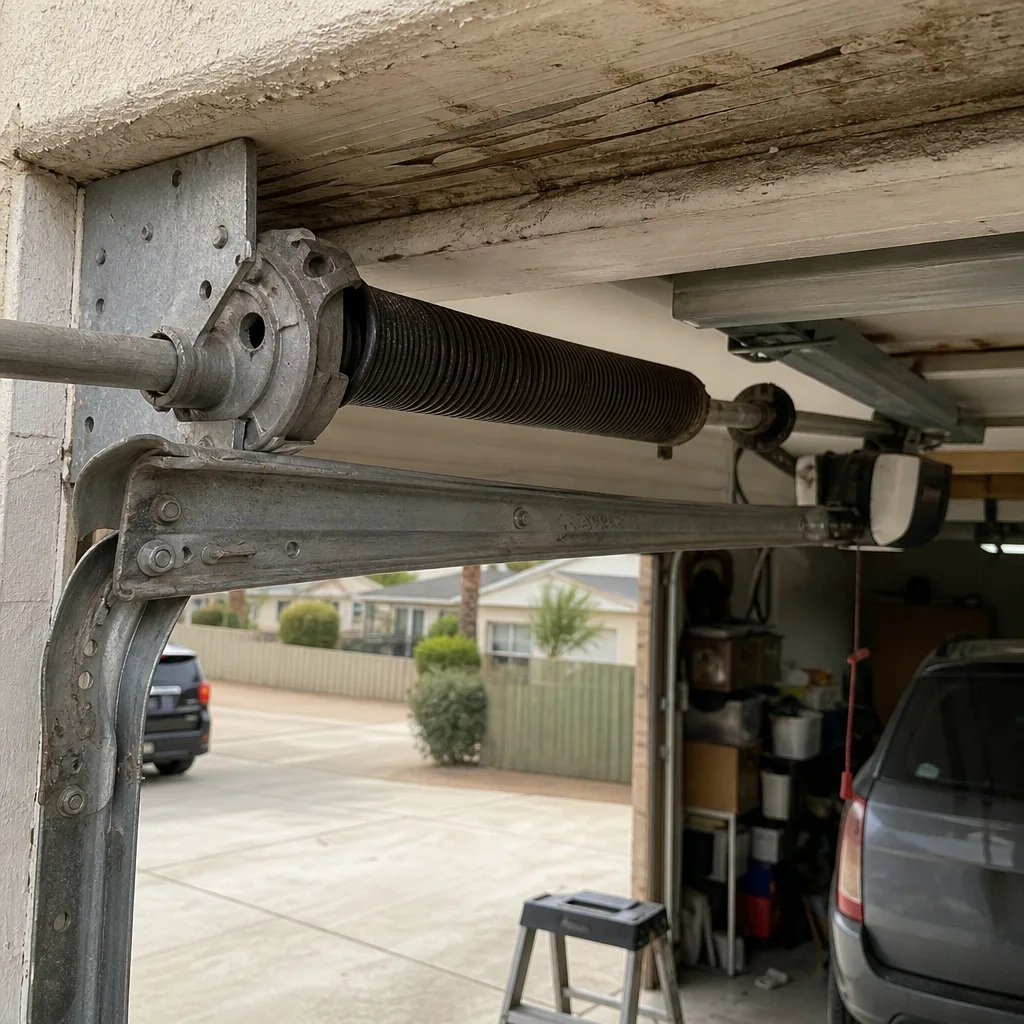 Before
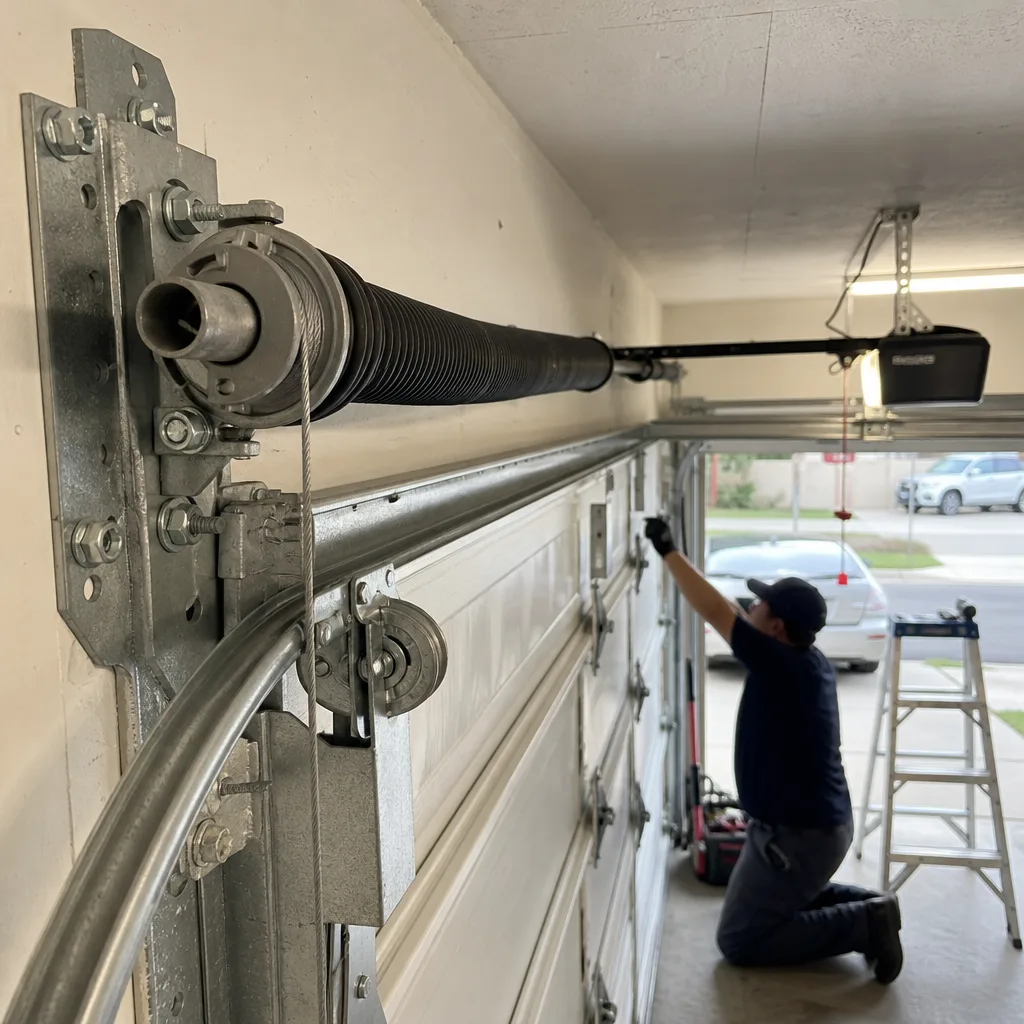 After
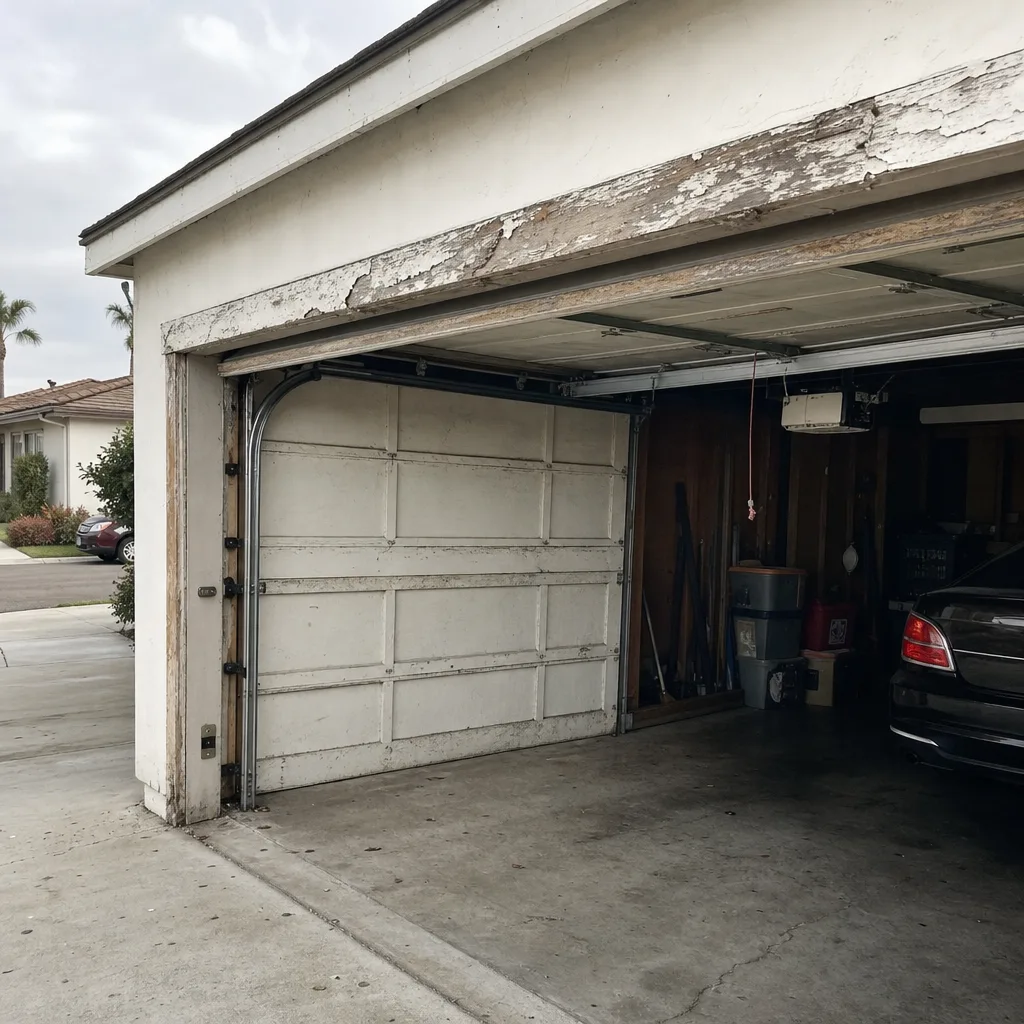 Before
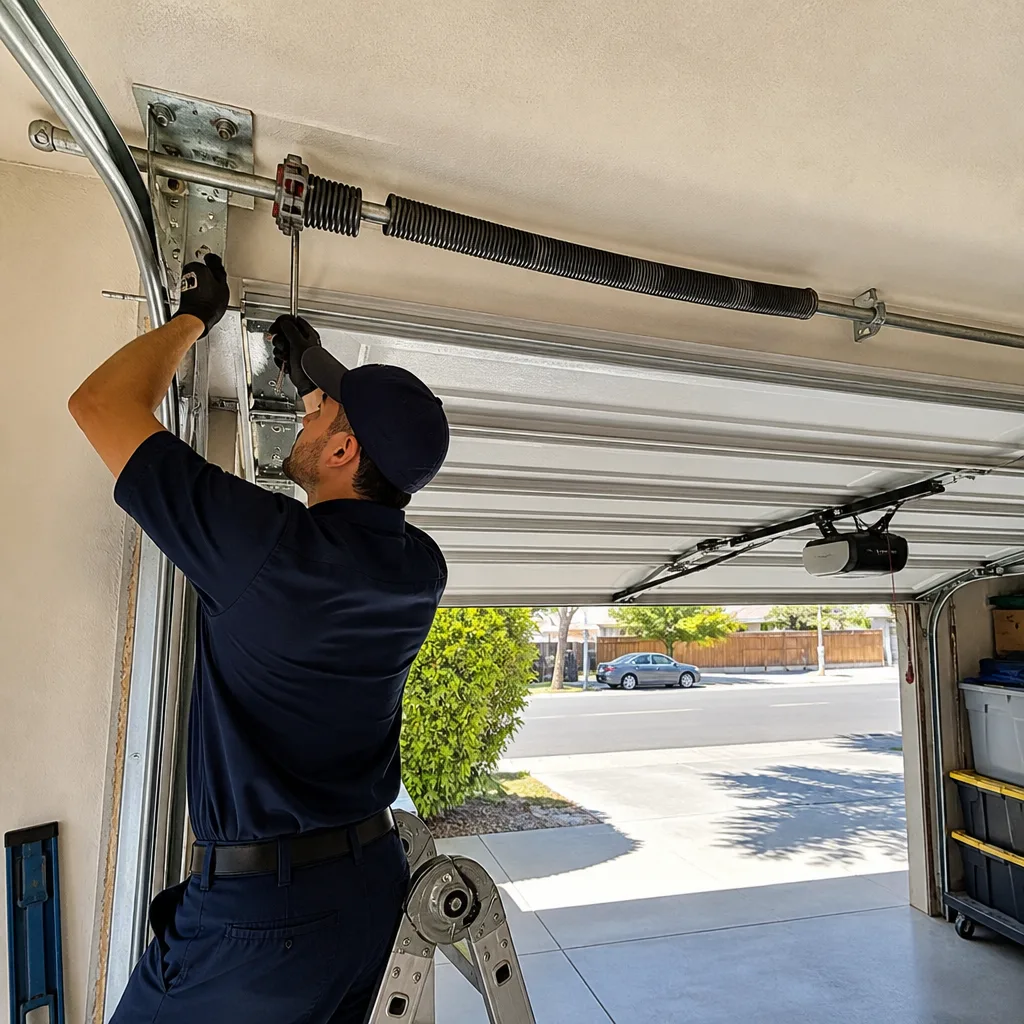 After
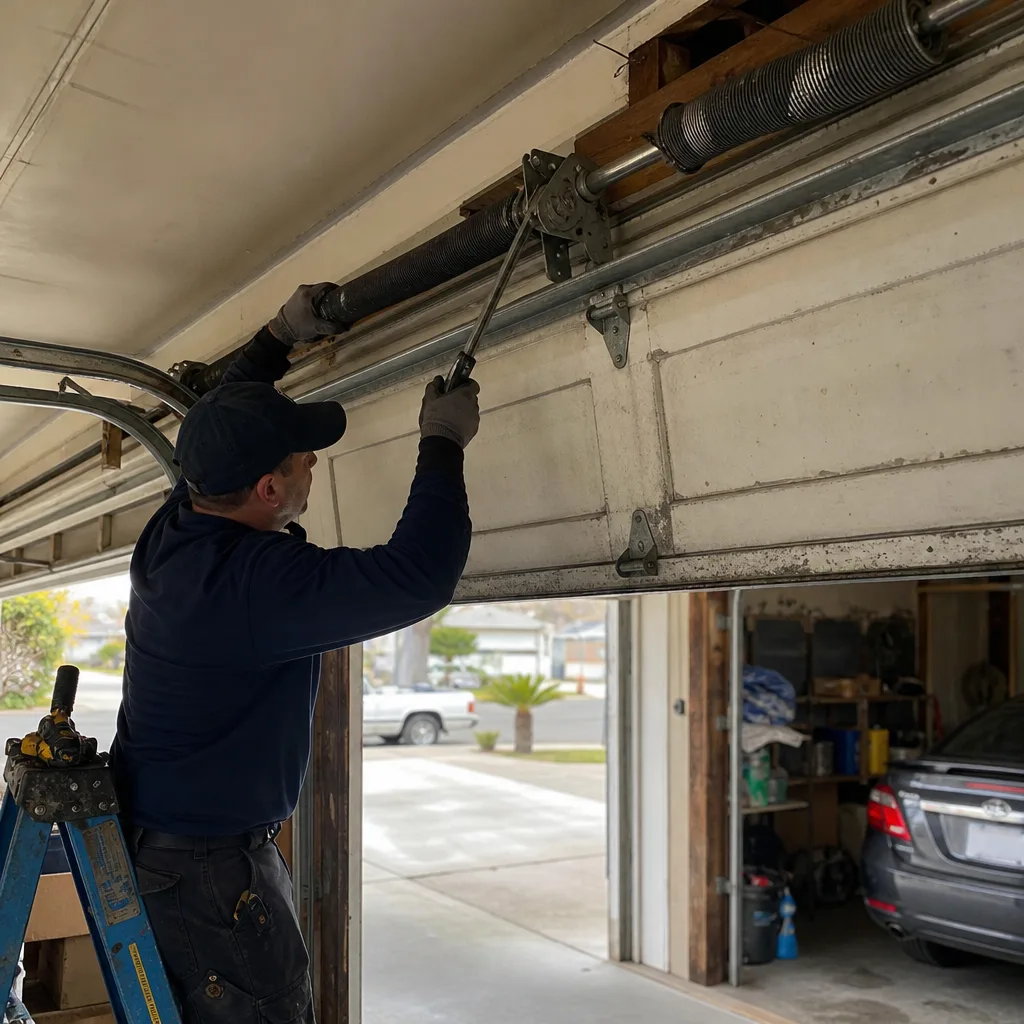 Before
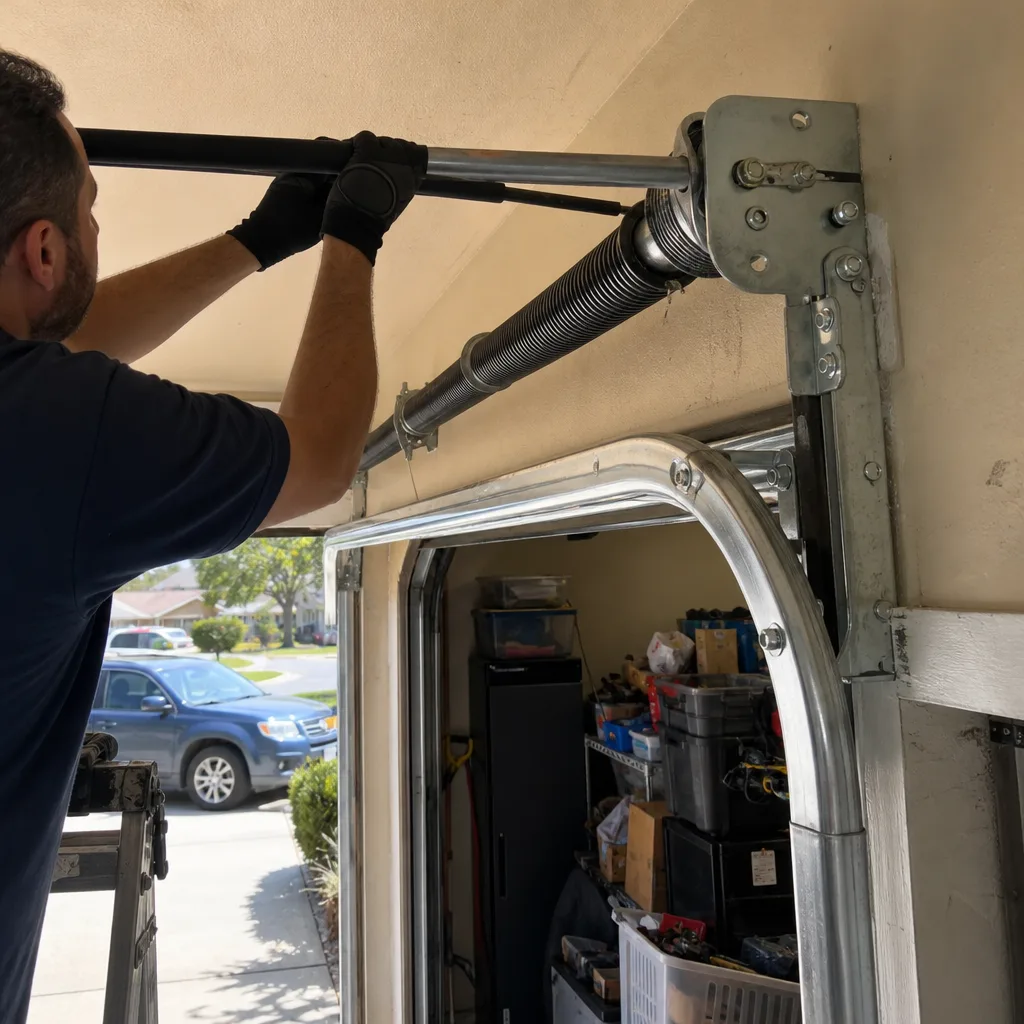 After