
Last updated October 30, 2026
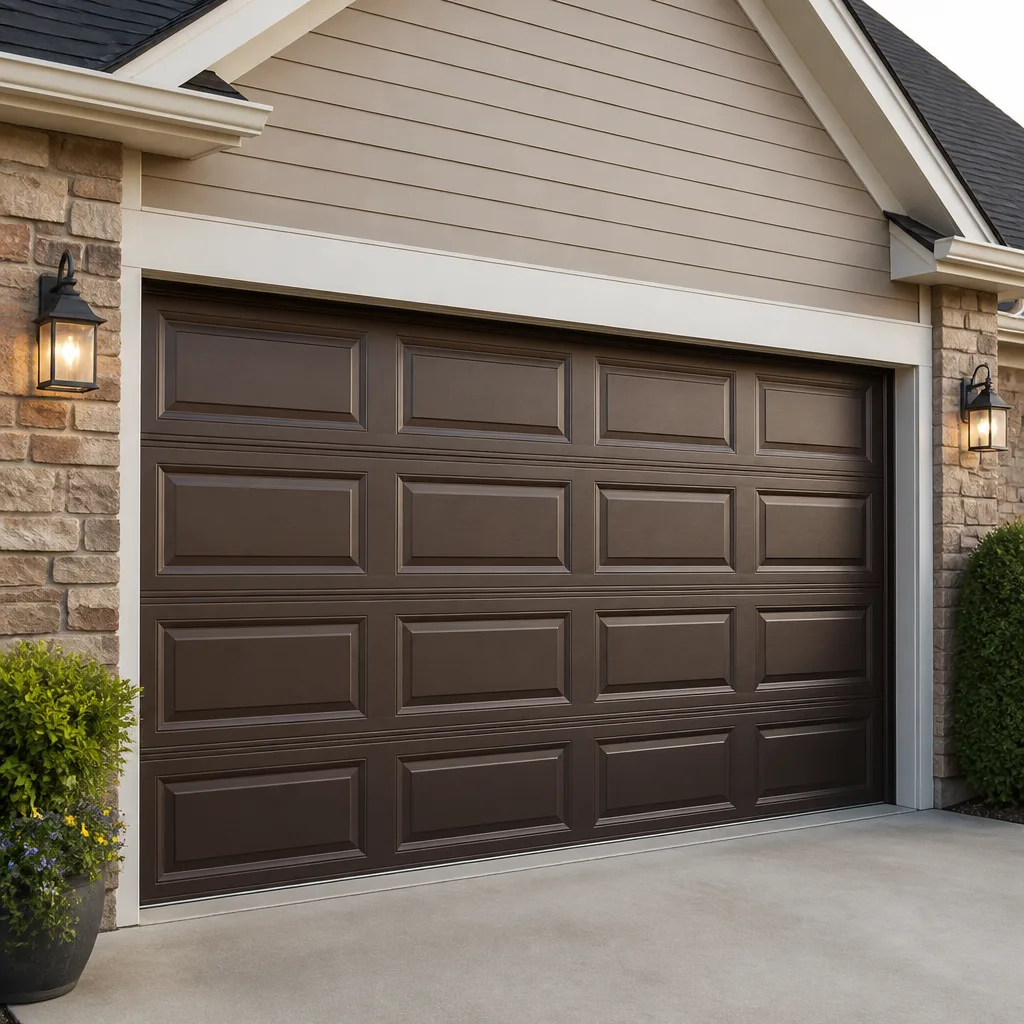 Raised-panel steel
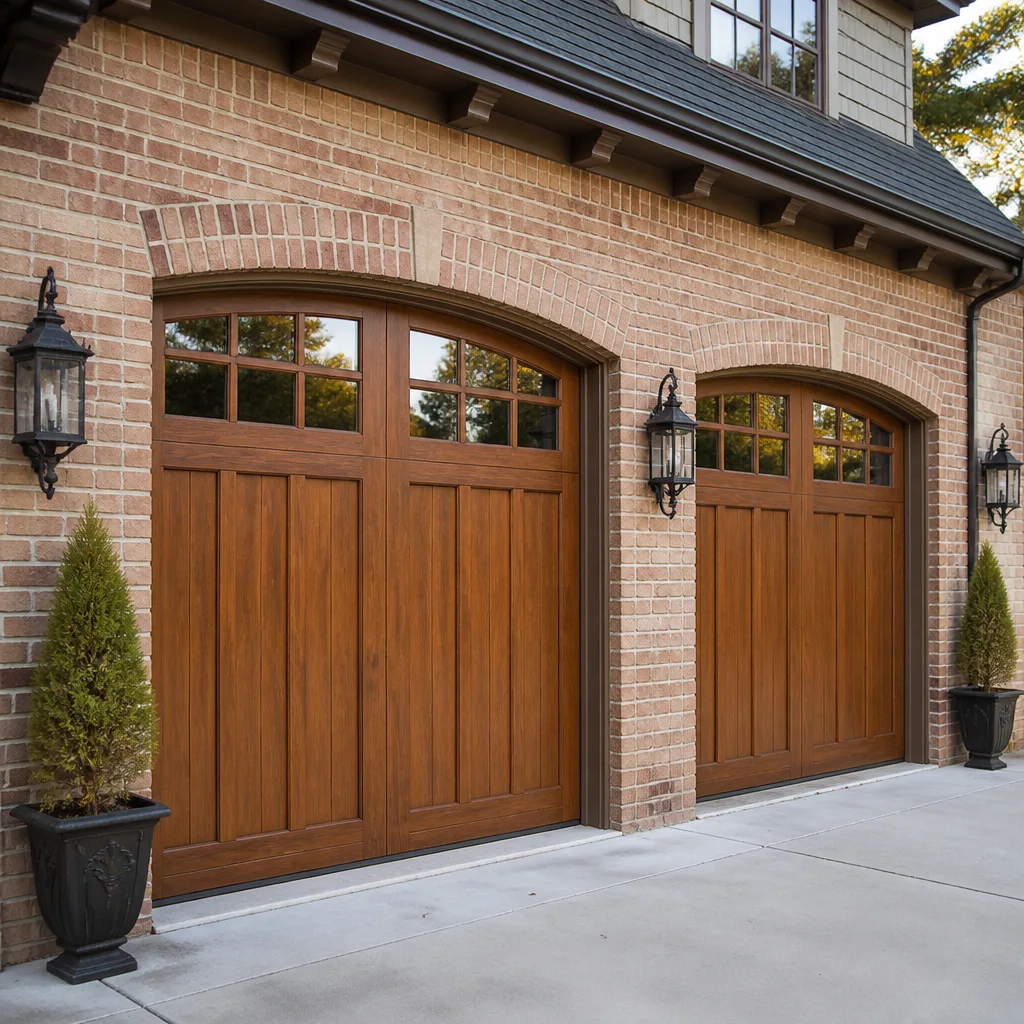 Carriage house
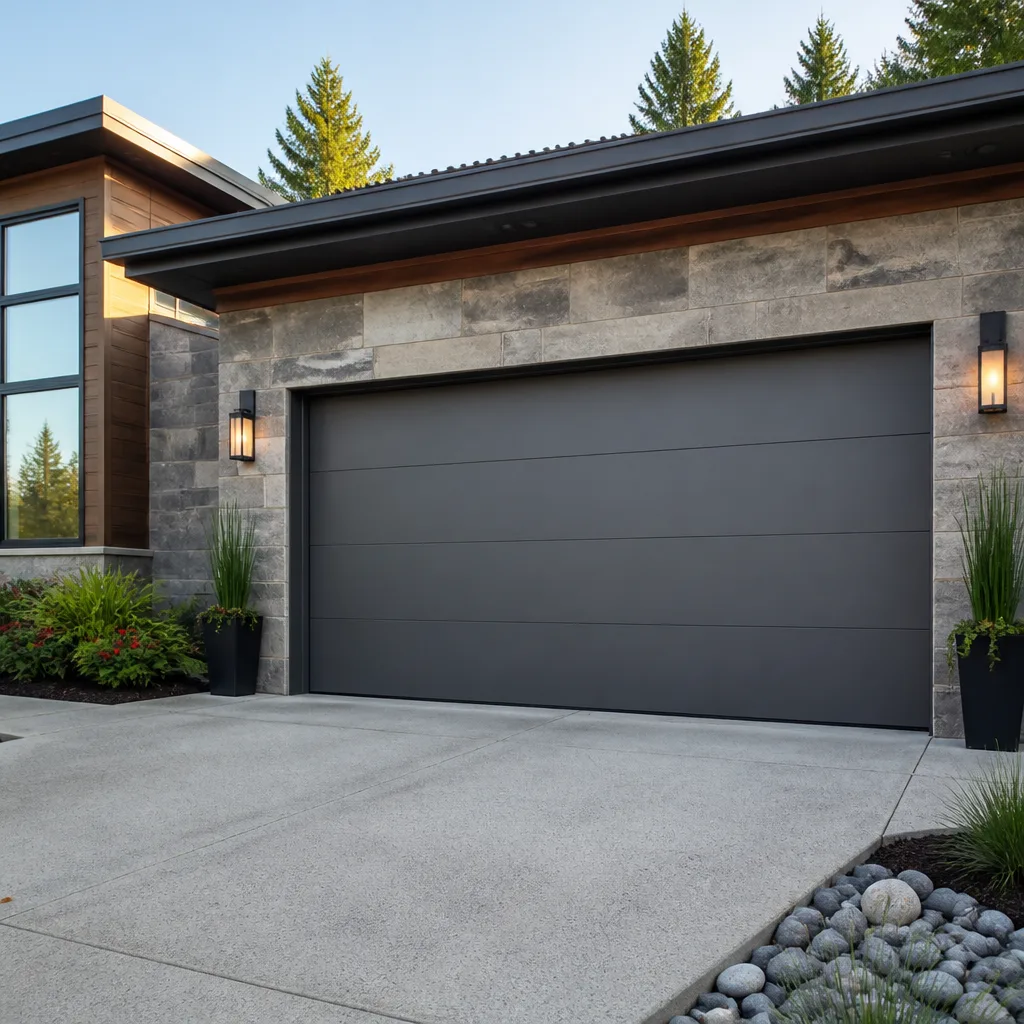 Modern flush
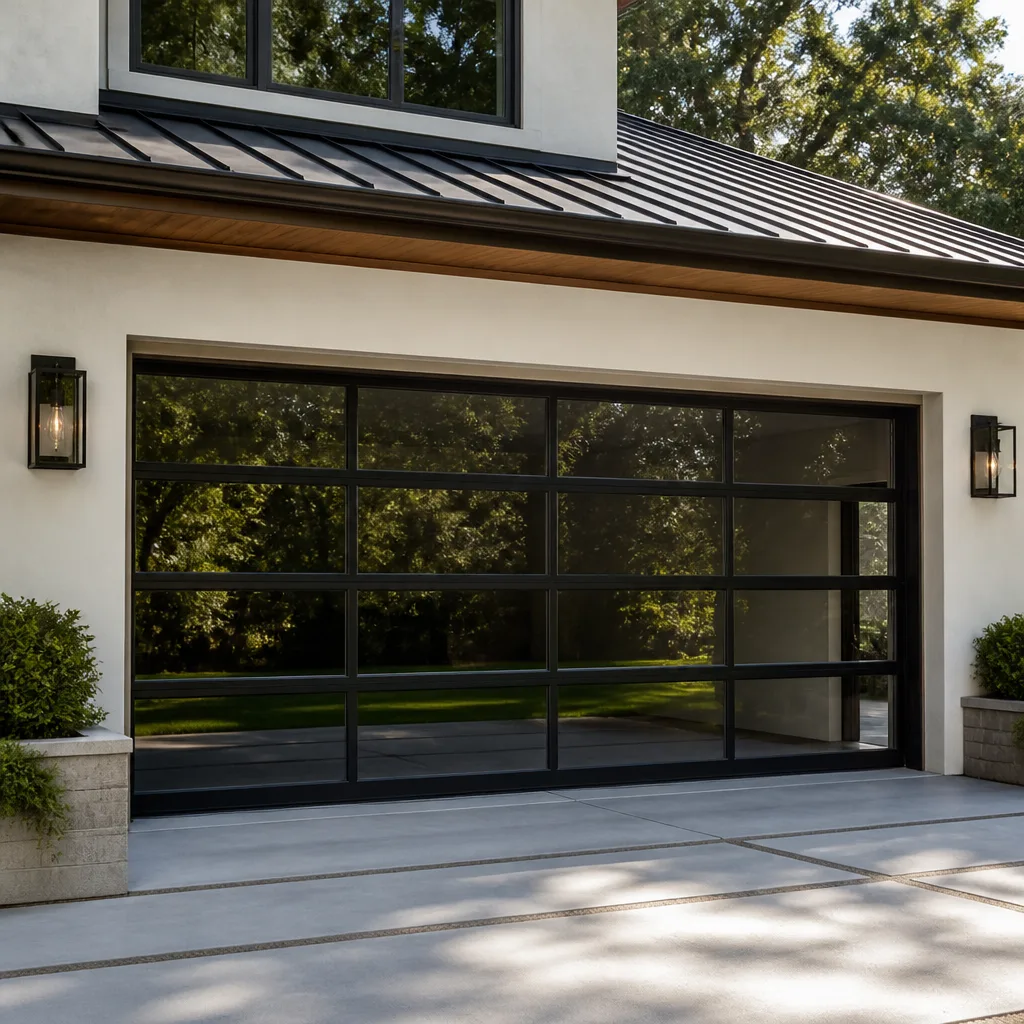 Full-view glass
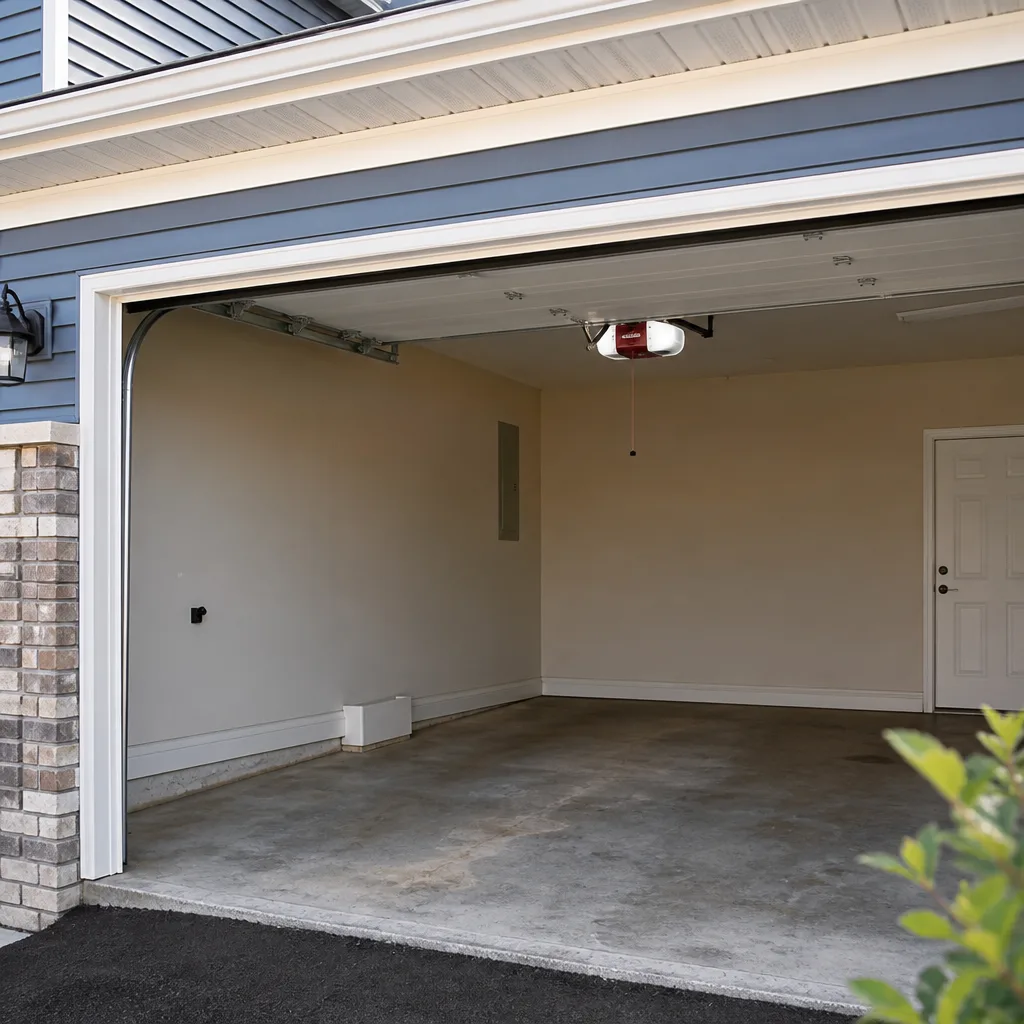 LiftMaster openers
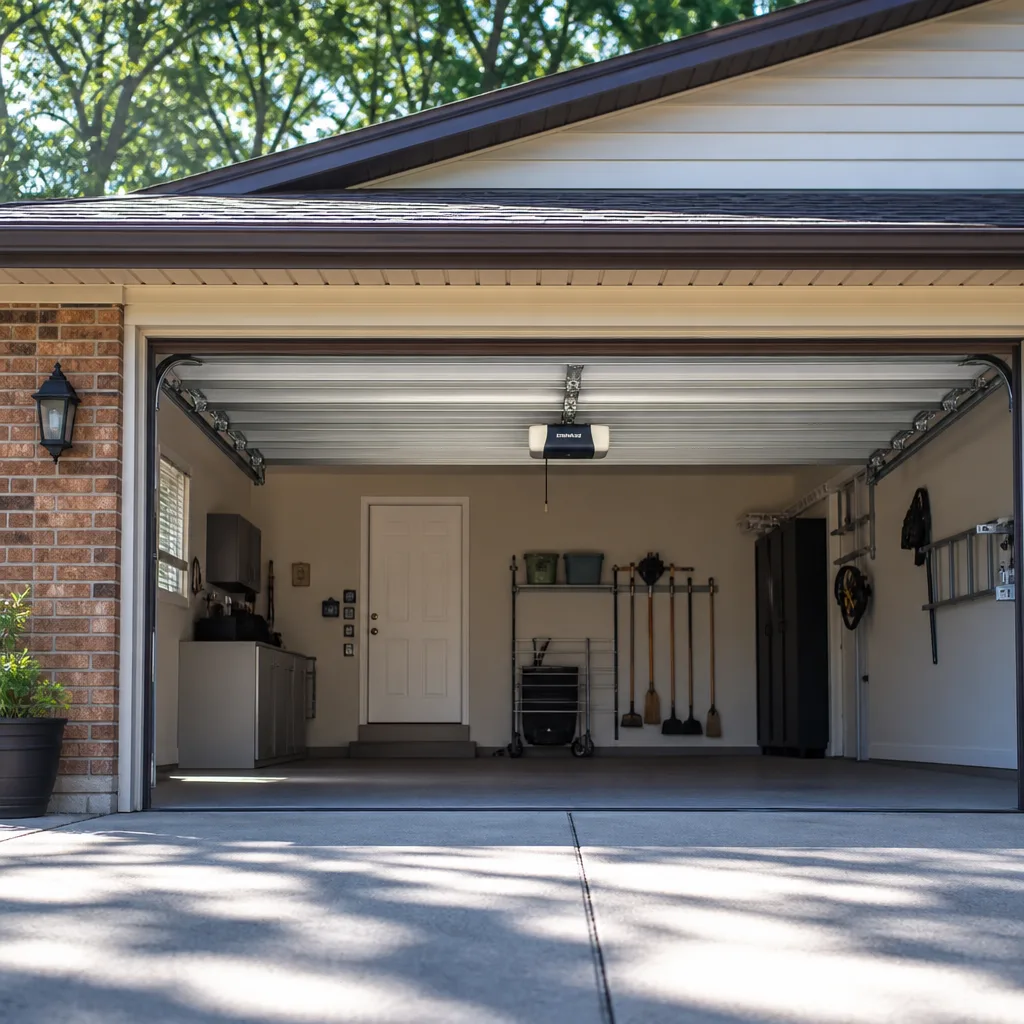 Chamberlain openers
Full 25-point door and opener safety check with every visit - springs, cables, rollers, tracks, and your LiftMaster or Chamberlain opener included
You get a price before we start. It does not change when the truck arrives.
Get your free estimateGarage Door Permits, Codes & Inspections in CA: What You Need to Know
A like-for-like garage door replacement in Chula Vista typically doesn’t require a permit. But widen the rough opening by six inches, add an opener to a manual door in a home built after 2005, or cut into the fire-separation wall between your garage and living space, and you’ve crossed into permitted territory. Most contractors don’t explain where that line sits because the answer depends on scope, not simplicity. This guide walks through California’s actual permit decision tree, Chula Vista’s local amendments, and what an inspector will check before they sign off.
Styles & brands we work with
Quick Answer
In California, a like-for-like garage door replacement (same size, same location, no structural changes) generally does not require a permit. However, modifying the rough opening, altering the fire-rated wall or door assembly between the garage and habitable space, adding structural supports, or installing an opener that requires new electrical circuits typically does. Chula Vista follows the California Residential Code with local amendments that affect fire-rated assembly requirements.
Table of Contents
- What Triggers a Garage Door Permit in California
- Fire Separation: The Code Section Most Homeowners Miss
- How Chula Vista’s Local Amendments Change the Math
- How to Apply for a Chula Vista Building Permit
- What the Inspection Actually Covers
- The Real Cost of Unpermitted Garage Door Work
- Seismic Bracing and Opener Requirements in Southern California
- Common Mistakes to Avoid
- When to Call a Professional
- Frequently Asked Questions
- The Bottom Line
What Triggers a Garage Door Permit in California
California Residential Code (CRC) Section R105 lists the work that requires a permit, and garage doors fall into a gray zone that confuses even experienced contractors. The state’s baseline is clear: replacing a component with a like-for-like equivalent doesn’t require a permit. Replacing a garage door panel, swapping a torsion spring, or installing a new opener that uses an existing electrical outlet all fall under ordinary repair.
The permit triggers come from three specific CRC provisions:
- R105.2 – Structural changes: Any modification to the rough opening size, header, or load-bearing framing requires a permit. This applies whether you’re enlarging the opening for a taller door or narrowing it for a custom fit.
- R302.5 – Fire separation: Work that alters the door assembly between the garage and habitable space triggers code review because that door isn’t just a barrier, it’s a rated fire assembly.
- Electrical provisions: Adding a new circuit for an opener, moving an outlet, or running new wiring requires an electrical permit, even if the door itself is like-for-like.
In practice, here’s the decision tree we walk through with Chula Vista homeowners:
- Is the replacement door the exact same size and installed in the existing tracks? If yes, no permit needed.
- Does the rough opening need modification, even a few inches? If yes, permit required.
- Does the work touch the wall between the garage and living space, including the door frame? If yes, permit required and the assembly must meet current fire-rating requirements.
- Does the opener need a new circuit or wiring run? If yes, electrical permit required.
- Is the home in a historic district or HOA with additional covenants? If yes, separate approvals may be needed before the Building Division will review.
The nuance matters because Chula Vista’s Building Division enforces these triggers at the inspection level. If a technician modifies the rough opening without a permit and the work gets discovered during a later home sale or neighbor complaint, the homeowner is the one who carries the liability, not the contractor who recommended skipping permits.
Fire Separation: The Code Section Most Homeowners Miss
CRC Section R302.5.1 addresses the opening between a garage and the residence. The code requires that the door between the garage and living space be a solid wood door at least 1-3/8 inches thick, a solid or honeycomb-core steel door at least 1-3/8 inches thick, or a 20-minute fire-rated door. The same section applies to the vehicle access door, though the requirements differ based on whether the garage is attached or detached.
What most homeowners don’t know is that this section applies to the assembly, not just the door slab. The frame, the seal, the self-closing hinges, and the threshold all matter. In Chula Vista homes built in the 1980s and 1990s, we regularly see door assemblies that were compliant when installed but no longer meet current code because the self-closing hinges were removed during a previous retrofit or the weatherstripping has degraded past effectiveness.
The specific requirement most relevant to garage door work:
- Openings from a private garage directly into a bedroom are not permitted under any circumstances, regardless of door rating.
- Ducts penetrating the garage ceiling or walls must be minimum 26-gauge steel with no openings into the garage.
- The vehicle door between the garage and exterior must be listed as a garage door and installed per the manufacturer’s instructions.
- Any penetration through the garage separation wall, including new opener wiring, must be sealed with an approved fire caulk or gasket.
When we install a new door in an attached garage in Chula Vista, the fire-separation wall is the first thing we check. A manufacturer like Raynor or Clopay builds doors that meet the relevant listing standards, but the listing only matters if the surrounding assembly is intact. A fire-rated door installed in a frame with missing self-closing hinges no longer meets code.
How Chula Vista’s Local Amendments Change the Math
Chula Vista adopts the California Building Code with local amendments through its Municipal Code. The amendments that affect garage door work fall into two categories: fire-rated assembly requirements and inspection documentation standards.
Under the California Residential Code, a detached garage with a separation of less than 3 feet from the residence may still be subject to fire-rated assembly requirements depending on the construction type. Chula Vista’s Building Division has historically applied a stricter interpretation for homes in the eastern portions of the city where fire exposure risk is higher, including the areas near the Otay and San Miguel Ranch developments. The reasoning is straightforward: homes built into canyons and hillsides face different fire exposure than homes in flat, urbanized tracts.
What this means practically:
- A detached garage that is exempt under state minimums may still require a fire-rated door in certain Chula Vista overlay zones.
- Homes in the city’s Wildland-Urban Interface (WUI) zones, including parts of Rolling Hills Ranch and Eastlake Vistas, may have additional requirements for door construction materials.
- The Building Division’s plan review staff can issue over-the-counter guidance for straightforward replacements but requires full plan review for any rough opening modification.
If you’re unsure whether your property falls under an overlay zone, call the Building Division with your address and parcel number. The counter staff at 276 Fourth Avenue can verify zoning and overlay status before you start any work. Getting this answer in advance saves time compared to discovering a WUI requirement during a plan review that’s already been submitted.
How to Apply for a Chula Vista Building Permit
Chula Vista’s Building Division accepts permit applications online through its Citizenserve portal. The process for a garage door permit, when one is required, follows these steps:
- Confirm the permit requirement: Call or visit the Building Division to verify whether your specific scope of work requires a permit. Bring photos of the existing door, the rough opening dimensions, and notes on any structural changes.
- Prepare your documentation: For rough opening changes, you’ll need a dimensioned drawing showing the existing and proposed opening, header size, and door specifications. For fire separation work, include the door manufacturer’s listing documentation.
- Submit through Citizenserve: Create an account, select “Building Permit” as the application type, and upload your documents. The typical review timeline for a simple garage door permit in Chula Vista is 7 to 14 business days for over-the-counter review, longer if structural engineering review is triggered.
- Pay the fee: Garage door permit fees in Chula Vista are calculated based on the valuation of the work. A straightforward door replacement with fire separation work typically falls in the $250 to $600 range for the permit fee alone.
- Schedule the inspection: Once the permit is issued and the work is complete, call or use the portal to schedule your inspection. Chula Vista typically provides a 2-hour arrival window.
The timeline matters. If the door is already failed and you’re waiting on a permit, you’re looking at a week or two of no vehicle access or an unsecured opening. That’s why we recommend confirming the permit requirement before the old door comes out, not after. The worst position to be in is a gaping garage opening in a Chula Vista neighborhood with no door ordered and no permit approved.
What the Inspection Actually Covers
The final inspection for permitted garage door work in Chula Vista focuses on three areas that surprise most homeowners because they expect the inspector to only look at the door.
Structural header load: If the rough opening changed, the inspector verifies that the header is sized correctly for the new span. In Chula Vista’s older neighborhoods, including many homes in the southwest section of the city built in the 1960s and 1970s, the original headers were often undersized by today’s standards. An inspector may require a retrofit even if the original header was never modified.
Opener safety reversal compliance: The inspector tests the auto-reverse mechanism on any newly installed opener. Under federal law (UL 325) and CRC provisions adopted into California code, the door must reverse when it contacts a 2×4 laid flat on the ground, and the photoelectric sensors must stop and reverse the door when the beam is interrupted at 6 inches above the floor. Older openers from Chamberlain, Genie, and LiftMaster installed before 1993 lack these safety features and won’t pass a modern inspection if they’re part of the permitted work.
Fire assembly verification: If the work touched the fire separation, the inspector checks the door slab rating, the self-closing hinges, and the seal integrity. They’ll also look for unsealed penetrations from new opener wiring. This is where many inspections fail: a technician runs new wiring through the garage ceiling into the living space and leaves a quarter-inch gap that compromises the entire fire assembly.
The Real Cost of Unpermitted Garage Door Work
Unpermitted garage door work in Chula Vista surfaces most often during escrow. California’s residential purchase agreement requires sellers to disclose all improvements made to the property, including whether permits were obtained. When a buyer’s home inspector sees a newer garage door with evidence of rough opening modification or fire wall alterations, the escrow process stalls.
Here’s what typically happens next:
- The buyer’s inspector flags the work as unpermitted.
- The buyer’s lender conditions loan approval on retroactive permits, which requires an as-built inspection.
- The seller pays for the permit, the inspection, and any corrective work at escrow pricing, which is rarely negotiated.
- If the corrective work is extensive, the seller may be forced to credit the buyer thousands of dollars to close the deal.
In Chula Vista’s real estate market, where homes in the Otay Ranch and Eastlake areas sell quickly, unpermitted work doesn’t necessarily kill a deal. But it always costs the seller money, time, or both. A permit that would have cost $400 before the work becomes a $3,000 retroactive permit and correction bill after the fact.
The same exposure exists for insurance. If a garage door installed without permits fails and damages a vehicle or injures someone, the insurer may deny the claim on the basis of non-permitted work. The California Insurance Code allows insurers to contest claims where material misrepresentation occurred, and failing to disclose unpermitted structural work during underwriting qualifies. None of this shows up until the claim is filed, which is exactly when you need coverage most.
Seismic Bracing and Opener Requirements in Southern California
Southern California’s seismic activity adds requirements that don’t exist in most of the country. Garage door openers in Chula Vista must be installed with the manufacturer’s required support brackets, and the installation must account for lateral movement during an earthquake.
CRC Section R301 addresses seismic design requirements, and while most attention goes to shear walls and foundation anchors, garage door assemblies are part of the structural envelope. The practical requirements:
- The opener must be supported from the structural framing, not from the door tracks alone. Installing an opener by hanging it from the tracks without proper header and ceiling support is a common failure we see in older Chula Vista homes.
- Track assemblies must be securely fastened to the wall and ceiling framing. In garages with drywall-finished ceilings, the track mounting points need to hit the framing members behind the drywall.
- Doors in homes built before the 1994 Northridge earthquake retrofits may have insufficient header support, and a door replacement often triggers the need to upgrade the header before a new door can be installed.
- Skipping the permit on a rough opening change because “the door fits.” Enlarging an opening by even four inches changes the header load, and an inspector will catch it. The cost of a retroactive permit in Chula Vista is always higher than doing it right the first time.
- Replacing a fire-rated door with a standard exterior door. The door between the house and garage is not a typical interior door. A standard hollow-core interior door will not pass inspection and creates a genuine fire safety hazard for your household.
- Installing a new opener without checking the electrical path. Running an extension cord to power a new opener isn’t a permanent installation and won’t pass any inspection. The opener needs a properly wired outlet on a dedicated circuit in most Chula Vista homes.
- Assuming all contractors know the permit rules. Many out-of-town or generalist contractors apply the permit rules from their home jurisdiction. Chula Vista’s amendments and WUI overlay zones are local knowledge, and not every contractor has it.
- Waiting until an emergency to research permits. When a garage door fails on a Friday evening, the pressure to get it fixed immediately leads to rushed decisions. Knowing your home’s permit situation in advance saves stress and money when a real emergency hits.
- Ignoring the self-closing hinge requirement. Removing self-closing hinges because they’re inconvenient is one of the most common code violations we see in Chula Vista homes. The hinges exist to keep the fire separation intact, and their absence will fail an inspection.
- Not documenting like-for-like replacements. Even when no permit is required, take photos of the old door before removal and the new door after installation. If a question ever arises during a future sale, the documentation resolves it in minutes.
LiftMaster and Chamberlain both publish seismic installation requirements for their openers sold in California, and the instructions are specific: the support straps must be installed at the correct angles, the header bracket must be centered, and the emergency release must remain accessible. Any opener installed in Chula Vista without following these manufacturer-specific requirements will not pass an inspection if one is required.
Common Mistakes to Avoid
When to Call a Professional
Garage door work that touches structural framing, fire separation, or seismic support is not work you want to figure out on the fly. If your door replacement involves changing the rough opening, modifying the header, or altering the wall between the garage and living space, have a professional who knows the code walk the project with you before any demo starts, following a Garage Door Repair Maintenance Checklist for Chula Vista Homeowners.
Hallmark Garage Door Repair works on the door you have and the door you’re planning to install. Our technicians are brand-fluent with Raynor, LiftMaster, Chamberlain, and Genie equipment, which matters when an inspector asks for the manufacturer’s listing documentation and installation specifications. Hallmark Garage Door Repair offers free estimates in Chula Vista – call (833) 467-4256 to schedule a consultation. We’ll walk through the permit decision tree with you before any work begins, so you know exactly what you’re getting into.
Frequently Asked Questions
No, a like-for-like garage door replacement in Chula Vista that keeps the same rough opening size and does not alter the fire separation wall generally does not require a permit. However, any modification to the rough opening, header, or fire-rated assembly does require a permit through the Chula Vista Building Division.
A straightforward garage door permit in Chula Vista typically costs between $250 and $600 based on the valuation of the work. Larger projects involving structural modification or fire separation work may trigger higher fees. Call the Building Division with your specific scope of work for an exact figure.
California law requires you to disclose unpermitted work during escrow, and a buyer’s inspector will likely flag it regardless. You’ll then face retroactive permit fees, inspection costs, and potentially expensive corrective work at escrow pricing, plus the risk of the buyer walking away from the deal.
If the opener uses an existing, properly installed outlet and the work doesn’t involve running new wiring, no electrical permit is required. Adding a new circuit, moving the outlet, or running new wiring through the fire separation wall does require an electrical permit and may require the work to be done by a licensed electrician.
An inspection for permitted garage door work in Chula Vista verifies three things: the structural header is sized correctly for the opening, the opener’s auto-reverse and photoelectric sensors function correctly per UL 325, and any fire-rated assembly between the garage and living space is intact with proper self-closing hinges and sealed penetrations.
Yes, homes in Chula Vista’s Wildland-Urban Interface zones, including parts of Rolling Hills Ranch, Eastlake Vistas, and areas east of the 125, may have additional requirements for garage door construction materials and fire-rated assemblies beyond state minimums. Verify your property’s overlay status with the Building Division before starting any work.
The Bottom Line
California’s garage door permit requirements come down to scope, not simplicity. A like-for-like replacement in Chula Vista almost never needs a permit, but the moment you touch the rough opening, the fire separation, or the electrical path, the calculus changes. The smart approach is to confirm your property’s zoning status and the permit requirement before any demolition starts. Document everything, even when no permit is required, because documentation is what protects you during a future sale. When the work does need a permit, submit the application with complete documentation and be ready for an inspection that covers more than just the door. A door installed right, with the permits in order, is a door that doesn’t come back to cost you later. For ongoing care, see our more guides & resources.
If you’re planning garage door work in Chula Vista, start with a clear picture of your permit obligations. Our Hallmark Garage Door Repair home page outlines our full service scope. For same-day repair needs, see Garage Door Repair in Chula Vista. If your opener is the problem, visit Garage Door Opener Repair in Chula Vista. And if you’re planning a full replacement or new installation, our Garage Door Installation in Chula Vista page covers the process from measurement through final installation.
Call (833) 467-4256 for a free estimate. We’ll answer your permit questions with specifics, not vague reassurances.
Written by the team at Hallmark Garage Door Repair, serving Chula Vista since 2016.
See the difference
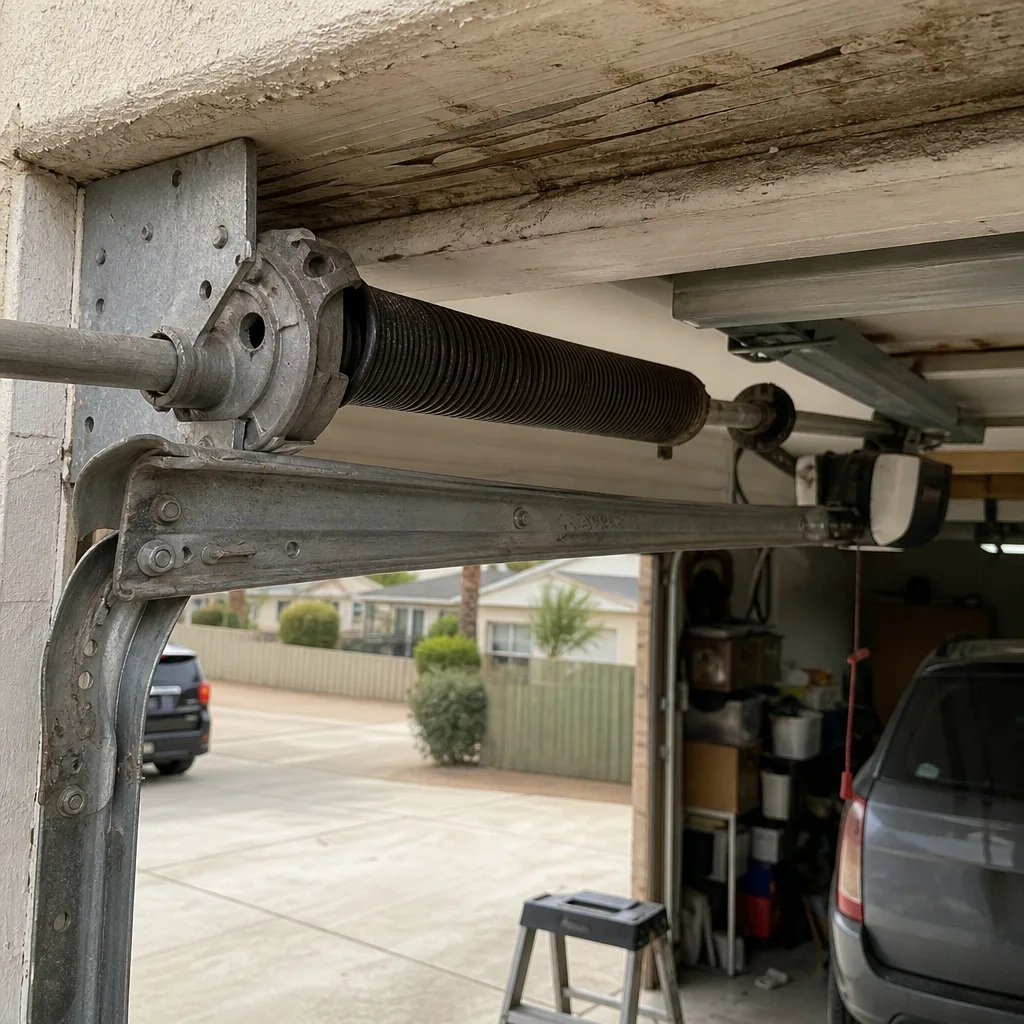 Before
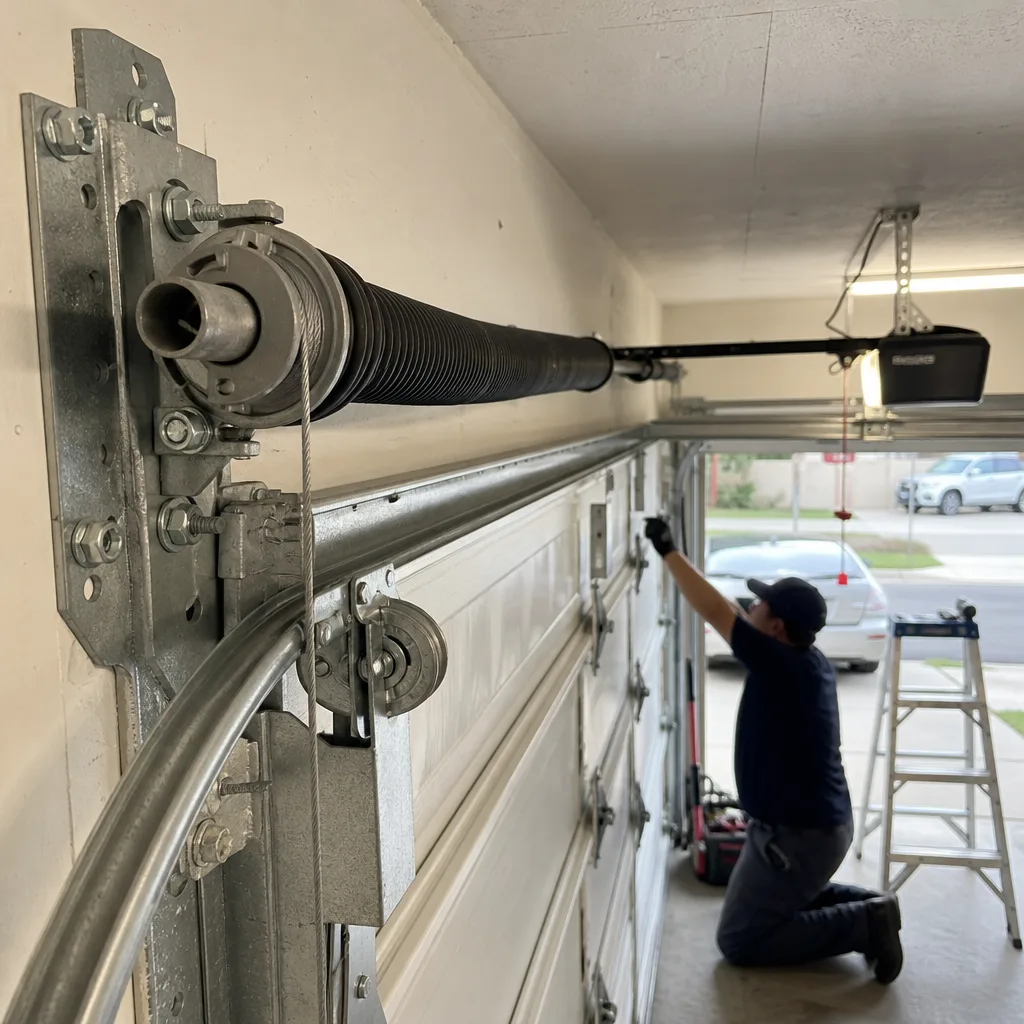 After
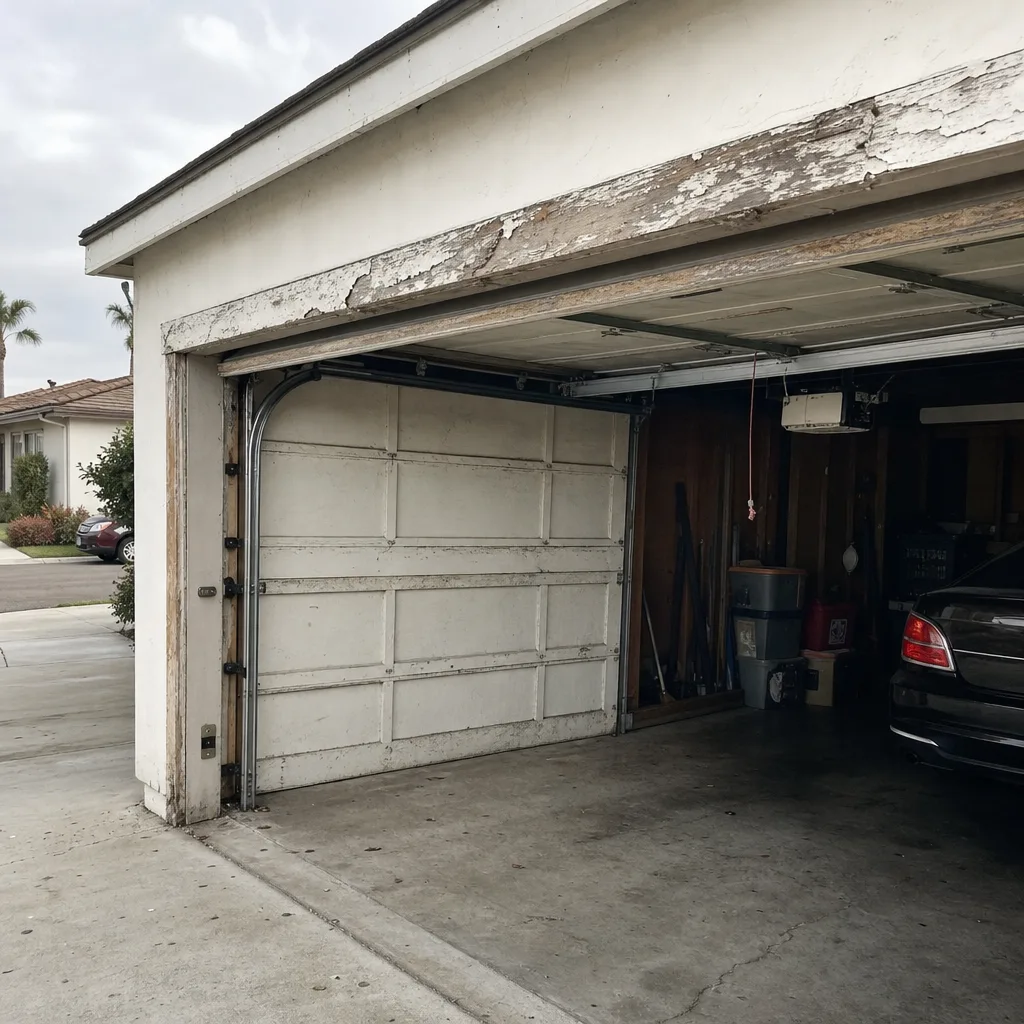 Before
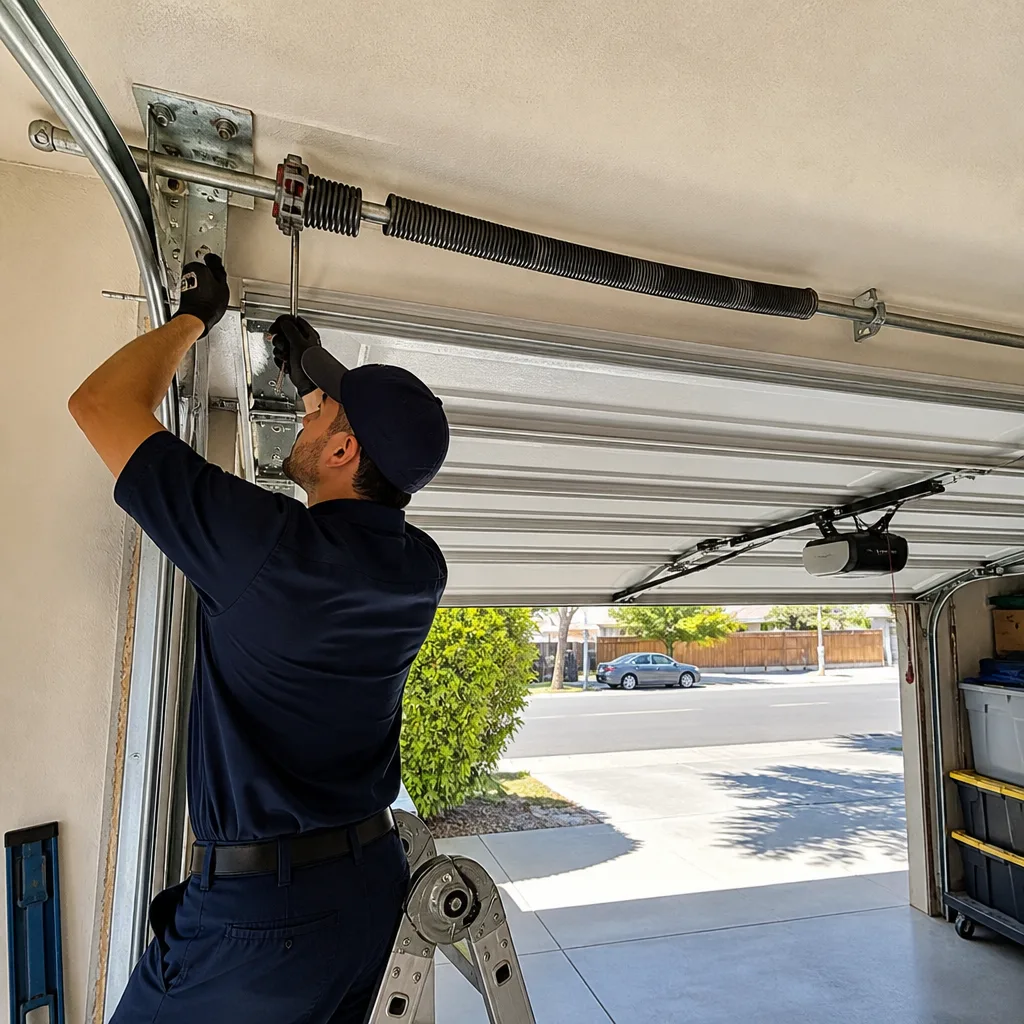 After
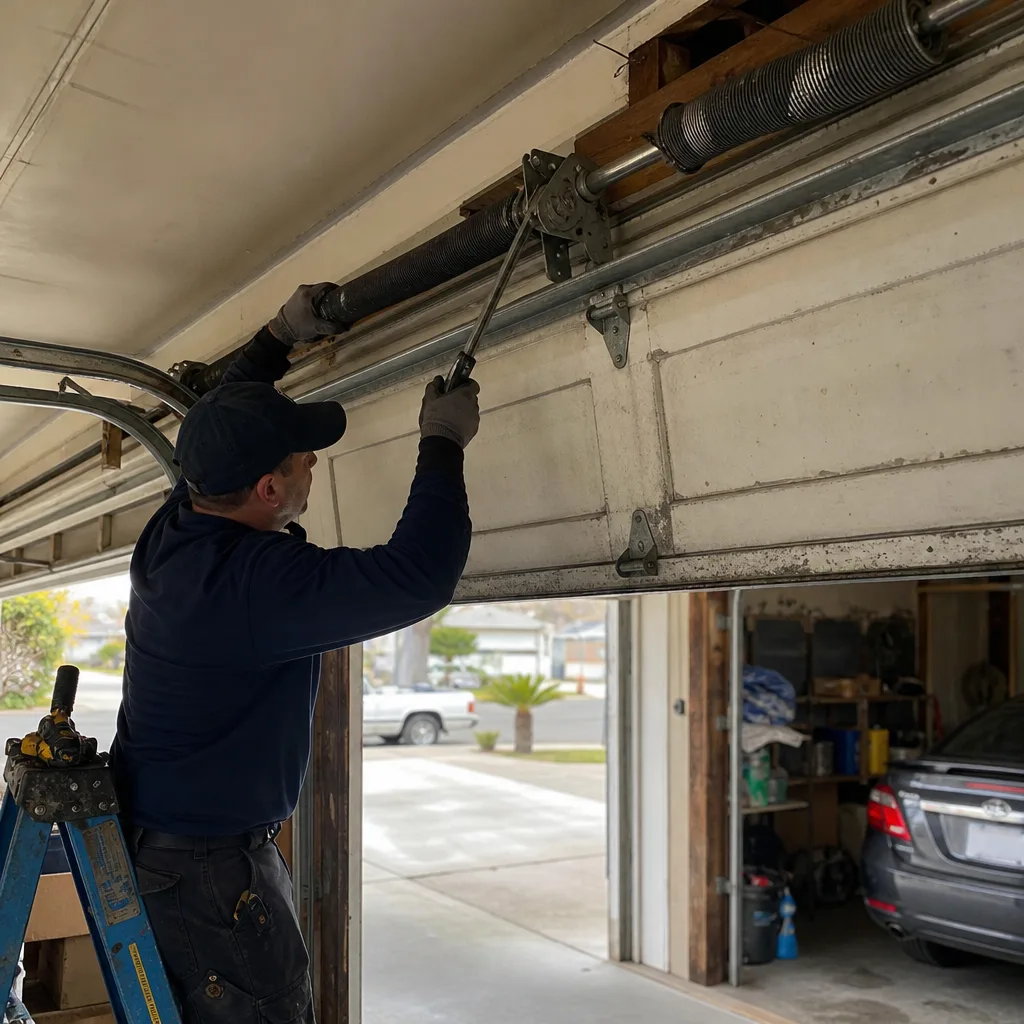 Before
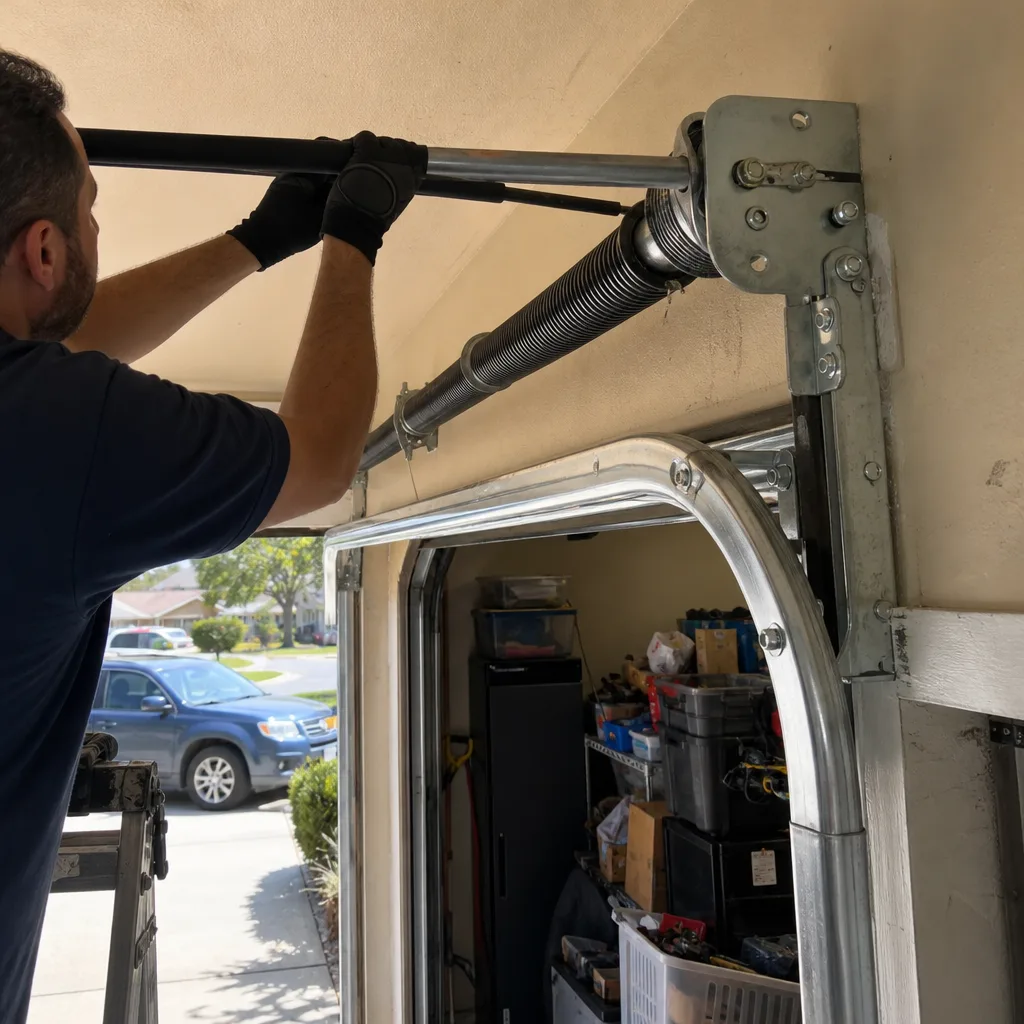 After