
Last updated October 30, 2026
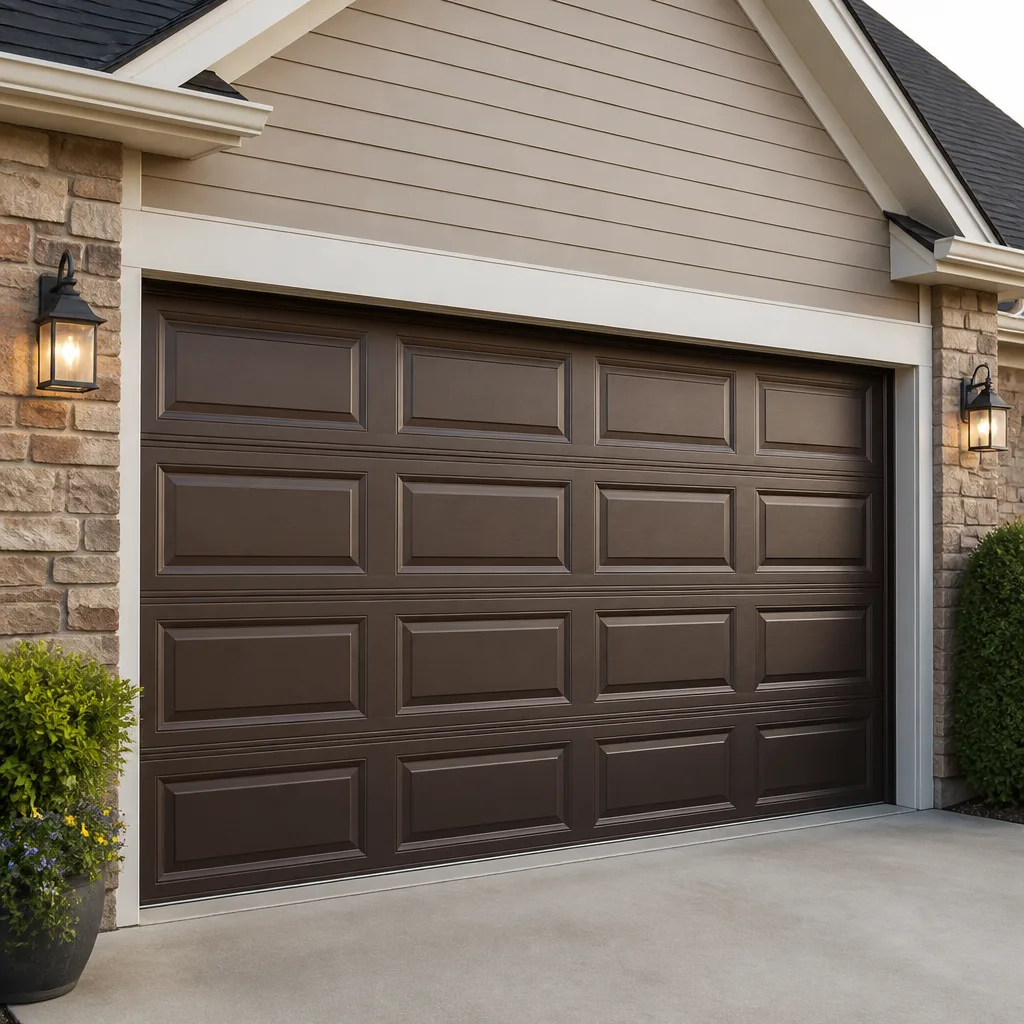 Raised-panel steel
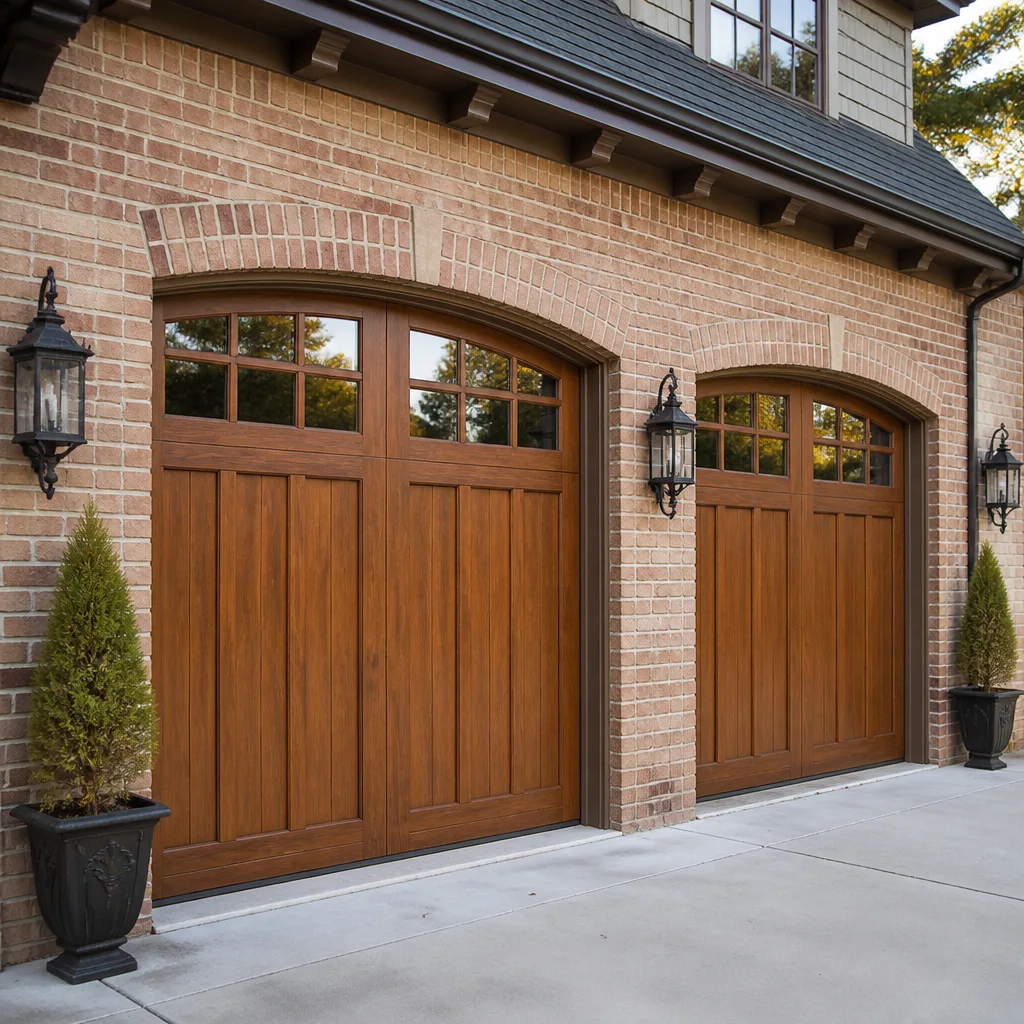 Carriage house
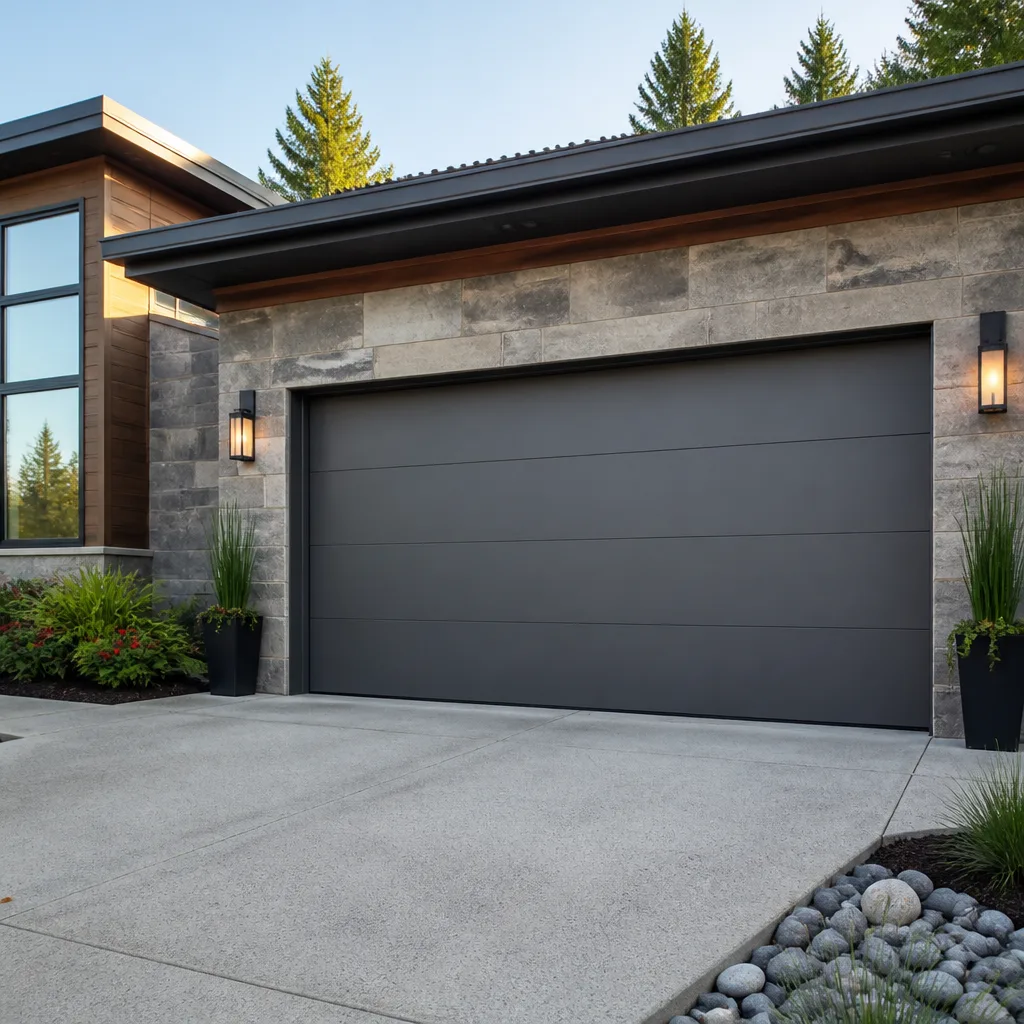 Modern flush
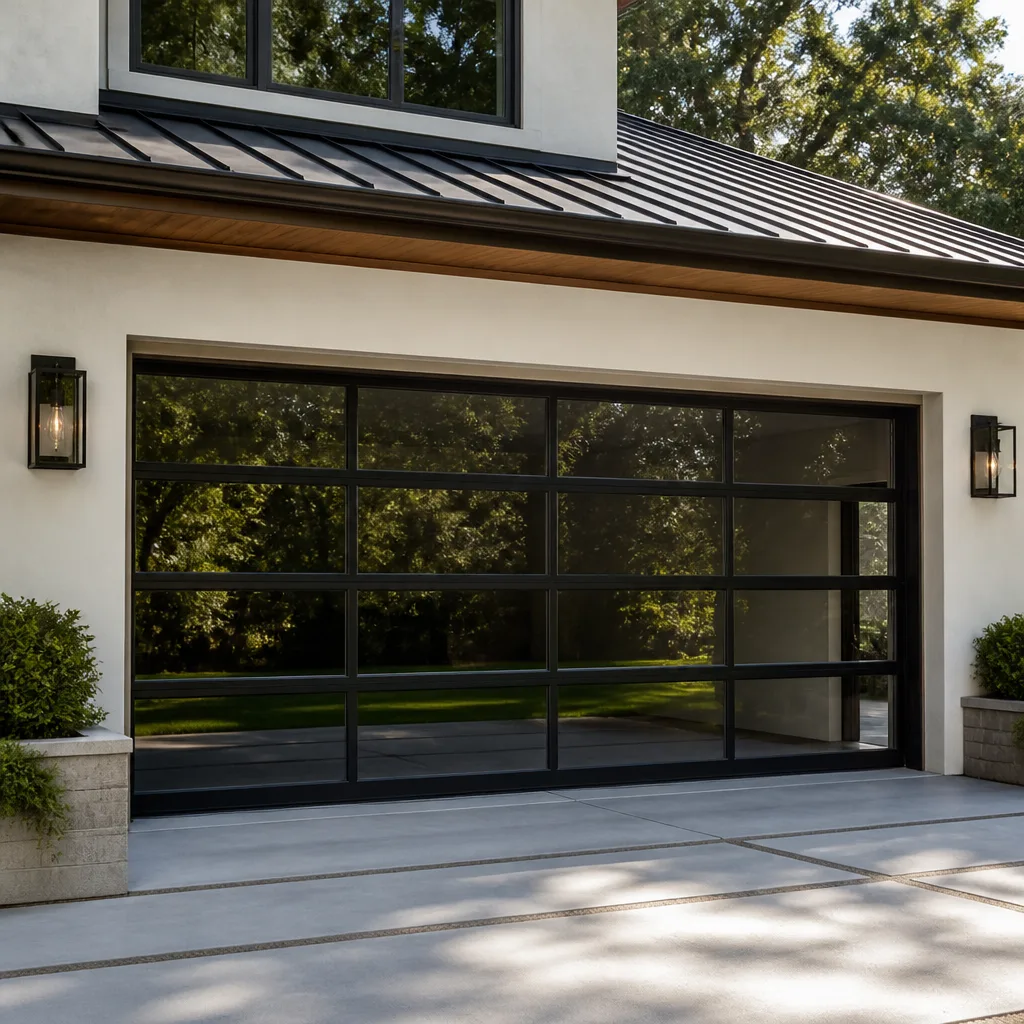 Full-view glass
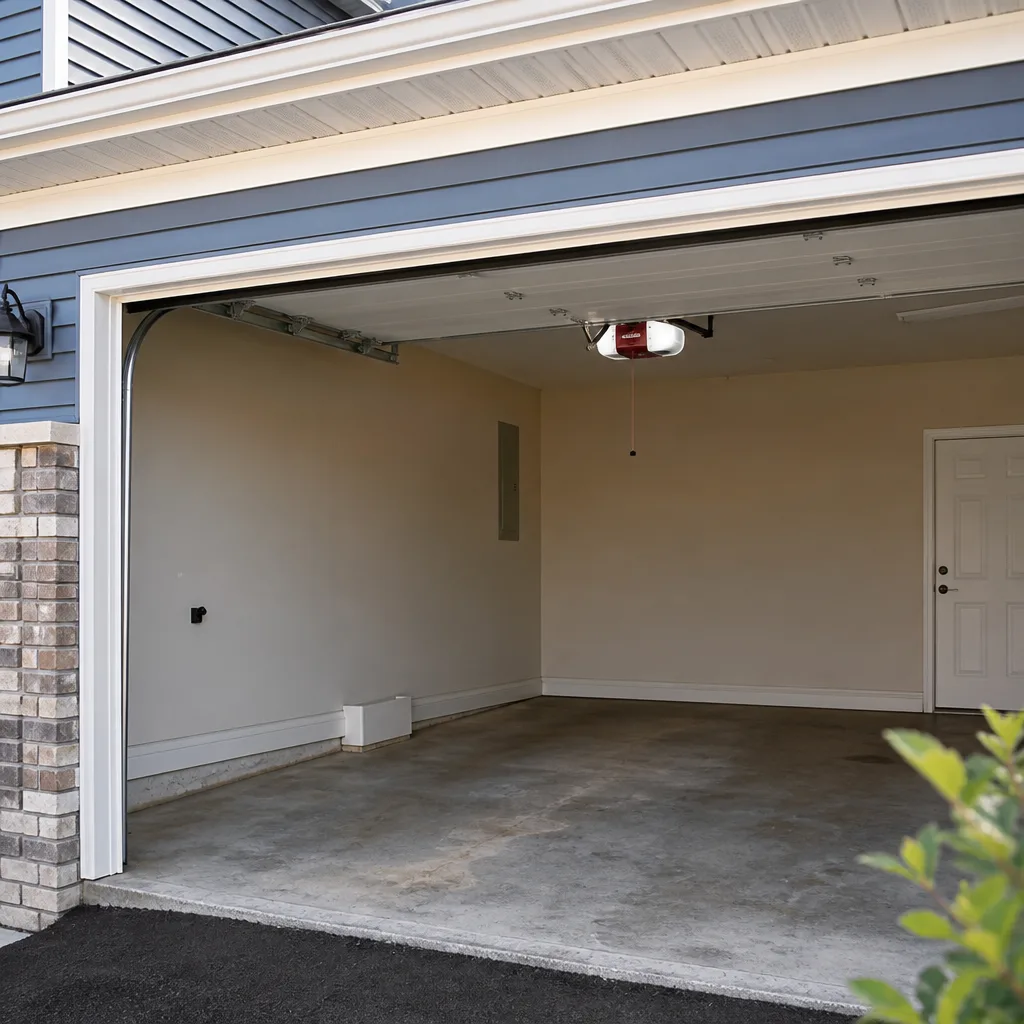 LiftMaster openers
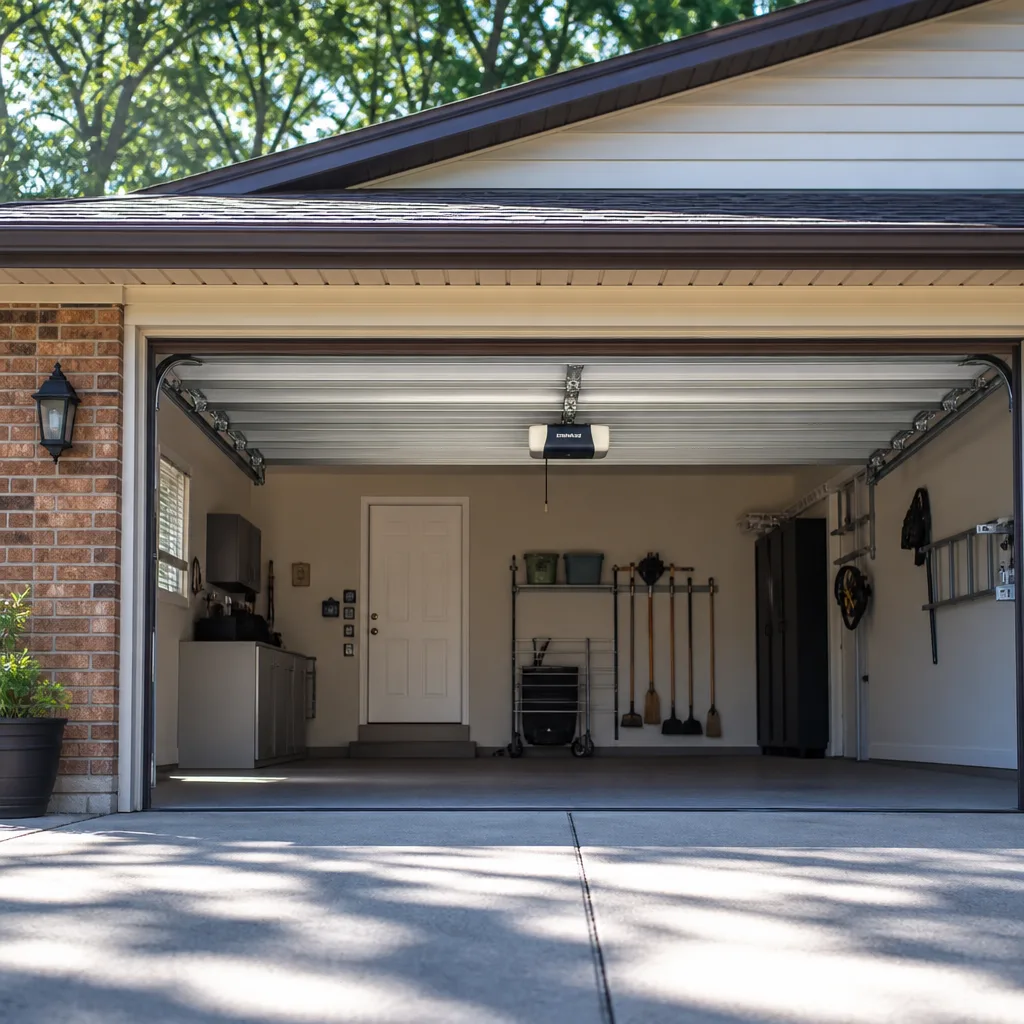 Chamberlain openers
Full 25-point door and opener safety check with every visit - springs, cables, rollers, tracks, and your LiftMaster or Chamberlain opener included
You get a price before we start. It does not change when the truck arrives.
Get your free estimateSeasonal Garage Door Care for Chula Vista: Year-Round Homeowner’s Guide
Most garage door maintenance guides are written for places with snow. They tell you to winterize in November and inspect for rust after road-salt season. Chula Vista never sees either. What we do see, year after year, is a different set of stresses: June gloom humidity that clings to metal surfaces, late-summer heat that makes steel tracks expand and bind, wildfire smoke that coats opener motors in fine grit, and winter condensation that pools on concrete garage floors. This guide is built around what actually happens to garage doors in Chula Vista, not what happens in Cleveland. You’ll learn which components fail during each local season, how to catch problems before they strand you, and when a quick fix is safe versus when you need a technician who knows the difference between a Clopay track tolerance and an Amarr one.
Styles & brands we work with
Quick Answer
Seasonal garage door care in Chula Vista means checking four specific things at four specific times of year: roller and seal condition during spring marine-layer months, track clearance and opener thermal behavior during summer heat spikes, motor particulate buildup and weather seal wear during fall fire season, and concrete-floor condensation effects during winter. Most maintenance takes under 20 minutes per season and costs nothing but attention. The payoff is a door that runs quietly for 15 to 20 years instead of failing suddenly on a 90-degree August afternoon.
Table of Contents
- Spring (March-May): Marine Layer Moisture and Post-Rain Seal Checks
- Summer (June-September): Heat Expansion, Track Binding, and Opener Thermal Cutoffs
- Fall (October-November): Wildfire Smoke Particulate and Pre-Rain Weather Seals
- Winter (December-February): Condensation, Cold-Morning Sluggishness, and Spring Reality
- Year-Round: The West-Facing Door Problem in Otay Ranch and Eastlake
- The 15-Minute Monthly Inspection Checklist
- Common Mistakes to Avoid
- When to Call a Professional
- Frequently Asked Questions
- The Bottom Line
Spring (March-May): Marine Layer Moisture and Post-Rain Seal Checks
Chula Vista’s wet season runs roughly November through March, which means by April your garage door has spent four months absorbing whatever moisture the marine layer delivered. The air doesn’t need to reach dew point inside your garage for problems to start. Humidity alone, the persistent gray mornings that define spring in South Bay, settles into nylon rollers, works its way between the bottom seal and the concrete, and accelerates the oxidation already present on any exposed hardware.
The component most affected by spring humidity is the roller. Nylon rollers with sealed bearings handle Chula Vista’s marine layer well, but only if the bearing seals are intact. Once a bearing seal fails, moisture gets inside, the grease emulsifies, and the roller starts chattering against the track. You’ll hear it before you see it: a rough, grinding sound on the way up or down that changes pitch as the door moves through the curve of the track.
Spring inspection steps:
- Run the door once with the opener and listen for any change in noise level through the full travel. A healthy door sounds the same at panel one as it does at panel four.
- Disengage the opener using the red emergency cord and lift the door manually to about waist height. It should stay put on its own. If it drifts down, the springs are losing tension and need a professional look.
- Wipe down the vertical and horizontal tracks with a clean, dry microfiber cloth to remove the fine film of marine-layer moisture and dust that builds up during gray weeks.
- Check the bottom rubber seal, the strip that runs along the base of the door. After a wet winter, look for cracking, warping, or spots where the seal no longer makes full contact with the concrete. Run your hand along the inside of the closed door on a bright day; any visible light means water and insects have a path in.
The bottom seal matters more in spring than any other season because the ground under your door has been saturated for months. A compromised seal doesn’t just let water in; it lets soil moisture evaporate upward into your garage, raising interior humidity and accelerating rust on everything metal inside, including your door’s own tracks and hinges.
Roller and hardware checklist:
- Nylon rollers: check for cracking or flat spots on the wheel surface
- Steel rollers (if original equipment): check for rust and listen for grinding
- Hinges: look for rust at the pivot points and check that hinge bolts are tight
- Track brackets: confirm they’re still flush against the wall; shifting soil from winter rain can move them slightly
- Weather stripping around the frame: check that the rubber is still pliable, not stiff or brittle
One spring-specific issue we see regularly in Chula Vista homes with older openers: the logic board’s contacts oxidize faster in humid air. If your opener starts working intermittently in April or May, a button press does nothing, then a second press works, the humidity is often the culprit. This points to opener repair territory rather than door repair, and a technician familiar with Genie and Chamberlain control boards will diagnose it quickly.
Summer (June-September): Heat Expansion, Track Binding, and Opener Thermal Cutoffs
The most damaging seasonal event for garage doors in Chula Vista is not winter. It’s the August through September heat spike, when canyon-side neighborhoods like Rolling Hills Ranch and parts of Eastlake hit 95 degrees and above while the garage door itself, especially a dark-painted one facing west, can reach 130 to 140 degrees at the surface.
Steel expands when heated. Every metal component on your door, the panels, the hardware, the tracks, expands by a measurable amount. The tracks are the problem. A door installed on a 68-degree day has track clearances set for that temperature. Take the same door into a 95-degree afternoon and the metal has grown. Clearances that were generous become tight. A door that glided effortlessly in June can start rubbing, scraping, or binding in September.
What heat expansion actually does to your door:
- Vertical tracks expand and can pinch the rollers, causing drag
- The door panel itself expands width-wise, increasing friction where the roller stems meet the hinges
- Aluminum and steel expand at different rates, which matters on doors with mixed materials
- Lubricant thins in high heat and drips out of roller bearings, leaving them dry
Summer maintenance steps:
- On the first genuinely hot day of the year, run your door and listen for any new scraping or rubbing sound that wasn’t there in spring.
- With the door closed, walk along the inside and check the gap between the door edge and the vertical track on both sides. It should be roughly the same on left and right. If one side is tighter, the door may be shifting slightly in the heat.
- Check the track-to-roller clearance at the top of the door where the track curves. This is where heat binding shows up first, because the curve multiplies alignment issues.
- If your opener has a built-in light that flashes after operation, check your manual. On LiftMaster and Chamberlain units, specific flash patterns indicate force settings or thermal cutoff events.
The opener’s thermal cutoff deserves a mention because it confuses a lot of homeowners. Modern openers have internal temperature sensors. When the motor gets too hot, which happens when it’s fighting a heat-bound door or operating in a garage that’s been baking all day, the opener shuts itself off to protect the motor. It will typically reset after 10 to 15 minutes of cooling. If your opener stops working on a hot afternoon and starts again an hour later, the motor wasn’t failing; it was protecting itself. The real issue is often the door itself, dragging because of heat expansion and forcing the opener to work harder than it should.
That scenario, an opener working overtime against a door that’s binding in the heat, is exactly when a brand-fluent technician matters. Someone who knows how Wayne Dalton and Raynor doors behave differently under thermal load can spot the real problem faster than someone working from a generic checklist. If you’re dealing with repeated thermal cutoff events on hot days, the fix usually involves track adjustment rather than opener replacement, and that’s a Garage Door Repair in Chula Vista diagnostic, not an opener swap.
Fall (October-November): Wildfire Smoke Particulate and Pre-Rain Weather Seals
October in Chula Vista increasingly means wildfire smoke. Even when fires burn far away, the fine particulate drifts into South Bay and settles on everything. Your garage door opener motor is a fan-cooled device, which means it pulls air, and whatever is in that air, across its internal components. After a smoky fall, the inside of an opener motor can be coated in a fine layer of ash that acts as an abrasive and an insulator.
This matters for two reasons. The abrasive grit accelerates wear on the motor’s moving parts every time the door cycles. And the insulating layer traps heat, pushing the motor toward thermal cutoff temperatures even on mild days.
Fall smoke and dust maintenance:
- With the opener unplugged (never skip this step with any electrical component), use a soft brush attachment on a vacuum to remove visible dust from the opener’s exterior vents.
- Wipe the opener’s housing, rails, and chain or belt with a dry cloth. Do not use water or spray cleaners on the motor unit.
- Clean the safety sensor lenses on both sides of the door opening. Smoke film on a photo-eye lens is a common cause of doors that refuse to close in October and November.
- Lubricate the rollers, hinges, and springs with a garage-door-specific lubricant. Do not use WD-40; it’s a solvent that strips the existing lubrication. A silicone or lithium-based spray is the right call.
Fall is also when you replace the bottom seal if it showed any signs of weakness in spring. Chula Vista’s rainy season starts in November, and once the ground gets saturated again, a marginal seal becomes a real leak. The bottom seal is one of the least expensive components on the entire door system, usually a fraction of the cost of a service call, and replacing it before the first heavy rain is the single best preventive action a homeowner can take in October.
The side and top weather stripping, the flexible vinyl that lines the door frame, deserves attention too. After a full summer of UV exposure, this material gets stiff and brittle. When it loses its flexibility, it no longer creates a tight seal against the door, and you get air leaks, dust intrusion, and higher energy bills if your garage is attached to conditioned space.
For doors with opener issues that started during fire season, the problem is often simpler than a full repair: a good cleaning of the motor, track, and sensors restores normal operation. But if the opener was already marginal, the added strain of particulate buildup can push it over the edge. When that happens, the conversation shifts to Garage Door Opener Repair in Chula Vista, and a technician who works across LiftMaster, Chamberlain, Genie, and Craftsman systems can tell you whether the unit is worth saving or whether replacement makes more sense.
Winter (December-February): Condensation, Cold-Morning Sluggishness, and Spring Reality
Winter in Chula Vista doesn’t mean freezing temperatures, but it does mean cold concrete. When the air warms up during the day and the garage floor stays cold, condensation forms. You’ll see it as a damp sheen on the concrete, especially in attached garages that share a wall with the house. This moisture cycle is subtle but consistent, and it works on the bottom of your door all winter long.
What winter condensation does:
- Keeps the bottom seal damp for weeks at a time, accelerating rubber breakdown
- Encourages surface rust on the door’s bottom panel, especially at the edges where the panel meets the hardware
- Creates the conditions for mildew along the inside of the bottom seal
- Makes the concrete floor slippery, which is a safety issue beyond the door itself
Cold-morning sluggishness is a real thing, and it’s usually not a failing spring. On a 45-degree Chula Vista morning, the lubricant on your rollers and hinges is thicker than it will be at noon. The opener has to work a little harder on the first cycle of the day. That’s normal. A 30-second slower open on a cold morning, followed by normal operation for the rest of the day, is thermal behavior, not mechanical failure.
A failing spring behaves differently. If your door opens slowly and grinds audibly on every cycle regardless of temperature, or if the door feels heavy when you lift it manually, that’s a spring problem. Torsion springs are under enormous tension, hundreds of pounds of stored force, and they are genuinely dangerous to work on. This is not a DIY situation. A broken spring on a cold morning happens because metal is more brittle at lower temperatures, but the spring was already near the end of its service life. The cold was just the final straw.
Winter checklist:
- Run a dehumidifier in the garage during December and January to keep condensation in check, or at minimum, crack the garage door for 10 minutes on dry afternoons.
- Inspect the bottom seal after rain events and check for standing water inside the garage.
- Test the door’s balance manually once a month by disengaging the opener and lifting the door. A door that feels heavy in December didn’t get heavy because of the weather.
- Check the opener’s force settings if you have an older unit. A door that’s slightly out of balance in cold weather may trip the safety reverse, causing the door to go back up when it tries to close.
If you’re unsure whether you have a spring issue or a temperature issue, the manual lift test answers it. Disengage the opener and lift the door halfway. A healthy door stays put. A door that slams down or feels like dead weight has a spring problem, and that’s a call to a professional before the spring breaks completely and strands you, quite possibly in the rain.
Year-Round: The West-Facing Door Problem in Otay Ranch and Eastlake
Drive through Otay Ranch or Eastlake on any summer afternoon and you’ll notice something: row after row of homes with west-facing garage doors, all of them absorbing the full force of the afternoon sun. In Chula Vista, a west-facing garage door gets hit with direct sunlight during the hottest part of the day, every day, year-round. In summer, the surface temperature of a dark-painted steel door on a west-facing wall can exceed 140 degrees.
That thermal load accelerates everything. Paint fades and chalks faster on west-facing doors than on any other orientation. The steel panel expands and contracts daily across a wide temperature range, which stresses the panel joints and the hardware attachment points. Rubber seals on the west side of the door degrade faster from UV exposure. Even the garage interior gets hotter, which affects anything stored there and pushes the opener motor into higher operating temperatures during the exact hours when the door is most likely to be used.
What west-facing homeowners in Otay Ranch and Eastlake should do differently:
- Inspect the door’s exterior paint or finish every spring. Fading is cosmetic; bubbling or cracking is not, and it can signal the early stages of panel deterioration.
- Consider a lighter door color when replacement time comes. Lighter colors reflect more solar energy and run measurably cooler at the surface.
- Check the weather stripping on the west side of the door more frequently than other sides; it bakes in the sun and fails first there.
- If your garage is uncomfortably hot in summer, investigate reflective insulation panels for the door’s interior, which reduce heat transfer without affecting operation.
- Run the door in the late afternoon once a month during summer and listen for the scraping that indicates track expansion under peak heat.
This is the kind of local knowledge that matters when you’re choosing a door for a home with a west-facing exposure. A homeowner planning to replace their door benefits from talking to someone who understands that a dark steel door on a west-facing Otay Ranch home will age differently than the same door on a north-facing wall. When that conversation happens, it often becomes a Garage Door Installation in Chula Vista discussion about panel material, color, and insulation value, not just appearance.
The 15-Minute Monthly Inspection Checklist
Most of this guide is organized by season, but there are a handful of checks worth doing every month regardless of the calendar. These take about 15 minutes total, require no tools beyond a flashlight and a dry cloth, and catch the majority of developing problems before they become failures.
- Listen to one full cycle. Stand inside the garage and run the door up and down once. A healthy door makes a consistent, low sound. Grinding, squealing, popping, or any sound that changes pitch during travel is a signal to investigate.
- Watch the door in motion. Does it move smoothly, or does it jerk, hesitate, or wobble? A smooth door means balanced springs and aligned tracks. A jerky door means something is off.
- Check the safety reversal. Place a roll of paper towels or a 2×4 on the floor under the door’s path and close the door. It should reverse within a second or two of contacting the object. If it doesn’t, stop using the opener and call for service; this is a safety feature, not an optional extra.
- Check the photo-eye alignment. Look at the small lights on the sensor units near the floor on both sides. Both should be lit solid. A blinking light means misalignment or a dirty lens.
- Inspect the cables. The cables that run along both sides of the door should be taut and free of fraying. If you see broken strands or a cable that looks loose, do not operate the door and call a technician immediately. Cables under tension can snap violently.
- Do a visual scan of the tracks and hardware. Look for loose bolts, rust, or visible damage. Tighten anything that’s obviously loose (unplug the opener first if you’re working near the motor).
One note on the cable check: this is visual only. Do not touch, adjust, or attempt to repair garage door cables yourself. The tension on a torsion spring cable can cause severe injury. If you see a problem, the right move is a call to a professional who does this work every day.
Common Mistakes to Avoid
- Lubricating with WD-40. WD-40 is a water displacer and solvent, not a lubricant. It strips the grease from roller bearings and leaves them drier than before. Use a silicone or lithium-based garage door lubricant instead.
- Ignoring a noisy door because it still works. A garage door that grinds for six months is a door that’s wearing out its rollers, hinges, or springs. The noise is the early warning. Fixing a noisy roller costs a fraction of replacing a damaged track after the roller finally seizes.
- Relying on the automatic force setting forever. Openers have adjustable force limits, and as doors age, they often need more force to operate. But increasing force to overcome a dragging door masks the real problem: misaligned tracks or failing rollers. Adjusting force higher instead of fixing the underlying issue shortens the life of the opener motor.
- Replacing the opener when the door is the problem. A door that’s heavy, binding, or out of balance makes the opener work harder. Replacing a burned-out opener without addressing the door issue just sets up the new opener for an early failure.
- Trying to DIY a torsion spring replacement. The torsion spring is the most dangerous component on the entire door system. It holds hundreds of pounds of tension, and an uncontrolled release can cause catastrophic injury. This is the one repair where professional help is not optional, it’s mandatory.
- Forgetting the safety reversal test. The auto-reverse feature exists to prevent exactly the kind of accident that happened routinely before it was mandated. Testing it monthly takes 30 seconds and confirms the opener will protect your family, pets, and vehicles.
When to Call a Professional
Most of the maintenance in this guide is DIY-friendly. But there are specific situations where calling a professional is the only responsible choice. A broken torsion spring, as mentioned, is dangerous and requires specialized tools and training. Frayed cables carry the same risk profile. Any time the door is off its tracks, the panels are damaged, or the opener’s logic board is misbehaving in ways that go beyond a dirty sensor lens, a technician’s diagnostic skill matters.
Hallmark Garage Door Repair handles the full arc of garage door work, from Garage Door Repair in Chula Vista and Garage Door Opener Repair in Chula Vista to Garage Door Installation in Chula Vista. We work on the door you have, across LiftMaster, Chamberlain, Genie, Clopay, Amarr, Wayne Dalton, Craftsman, and Raynor, and the Hallmark standard applies whether we’re replacing a roller or installing a full door system. Hallmark Garage Door Repair offers free estimates in Chula Vista. Call (833) 467-4256 and you’ll get a straight answer about what’s wrong and what it costs, quoted and agreed before any work starts.
Visit the Hallmark Garage Door Repair home page if you want to see the full scope of what a single-trade garage door specialist covers.
Frequently Asked Questions
Twice a year is the right cadence for Chula Vista’s climate: once in April after the wet season ends, and once in October before the rains return. Use a silicone or lithium-based garage door lubricant on the rollers, hinges, and springs. Avoid WD-40, which strips existing lubrication rather than adding new protection.
Summer noise in Chula Vista is usually heat expansion. The steel tracks and panels expand in high temperatures, reducing clearances and creating friction that wasn’t there in cooler months. If the noise disappears on cooler days, it’s thermal. If it’s consistent year-round, you likely have worn rollers or hinges that need replacement.
Disengage the opener and lift the door manually to waist height. A healthy door stays in place. A door that feels heavy or drops quickly has a spring problem. Torsion springs are under extreme tension and are dangerous to work on. Call (833) 467-4256 for a professional assessment rather than attempting a DIY repair.
Yes. Smoke particulate gets pulled into the opener’s motor by its cooling fan, coating internal components with fine ash that acts as both an abrasive and an insulator. After a smoky fall, unplug the opener and vacuum the exterior vents, then wipe down the housing and clean the safety sensor lenses to restore normal operation.
Most seasonal maintenance is free: it’s your time and attention. When a professional is needed, costs in Chula Vista typically range from $75 to $125 for a basic tune-up, $150 to $300 for roller or hinge replacement, and $200 to $450 for spring replacement depending on spring type and door size. Every price is quoted and agreed before any work starts. Call (833) 467-4256 for a free estimate.
If your Otay Ranch or Eastlake home has a west-facing garage door and you’re planning a replacement, a lighter color will measurably reduce surface temperature and slow UV-related paint degradation. The difference between a dark door and a light door in direct afternoon sun can be 30 degrees or more at the panel surface.
The Bottom Line
Chula Vista’s garage doors don’t face winter’s freeze-thaw cycles, but they face four real seasonal stresses: spring humidity, summer heat expansion, fall smoke particulate, and winter condensation. Each one attacks different components, and each one can be managed with attentive, seasonal maintenance that costs little more than time. The west-facing doors common in Otay Ranch and Eastlake carry an extra UV burden that accelerates panel and seal degradation, and that’s worth accounting for in your inspection routine. Most month-to-month issues are catchable with a 15-minute checklist. When something goes beyond your comfort zone, especially anything involving springs or cables under tension, a phone call to a Chula Vista garage door specialist is the smartest maintenance decision you can make. Call (833) 467-4256 for a free estimate and get it diagnosed right the first time.
Written by the team at Hallmark Garage Door Repair, serving Chula Vista since 2016.
See the difference
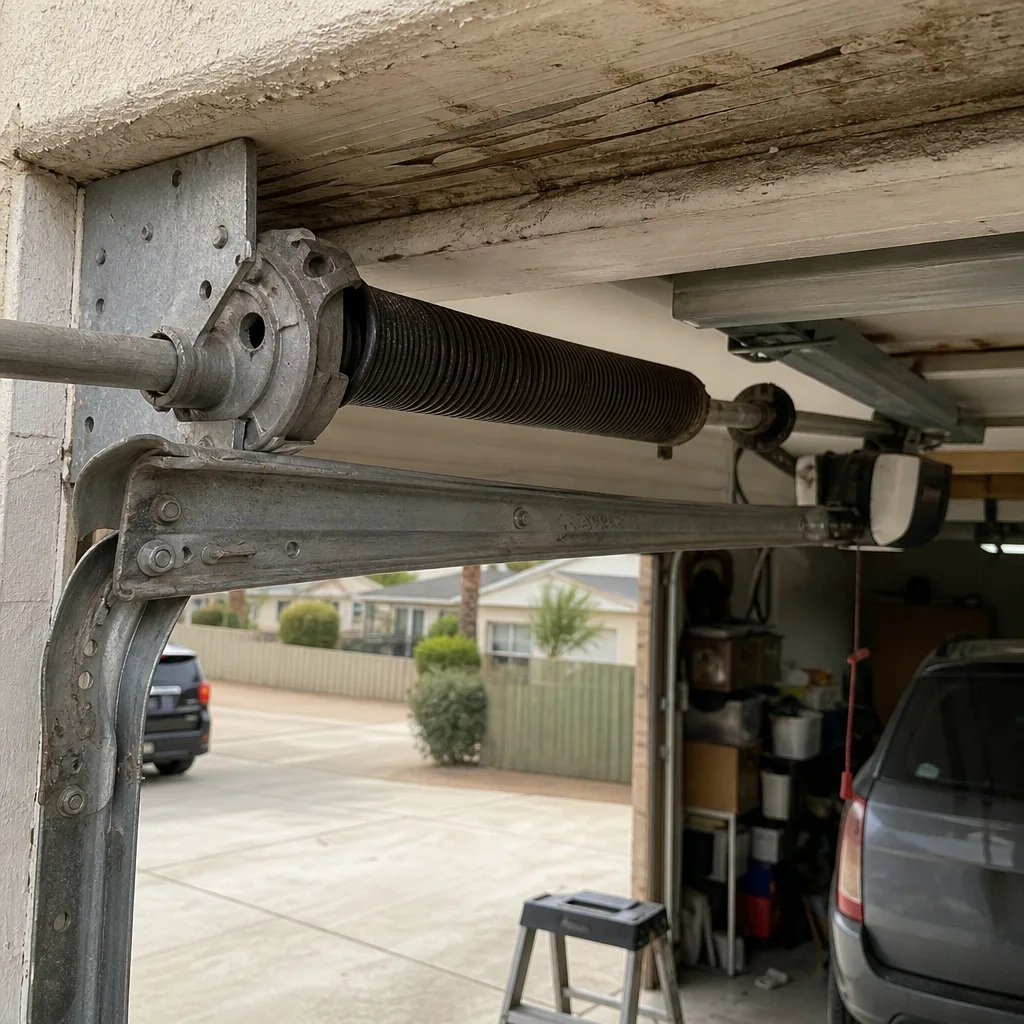 Before
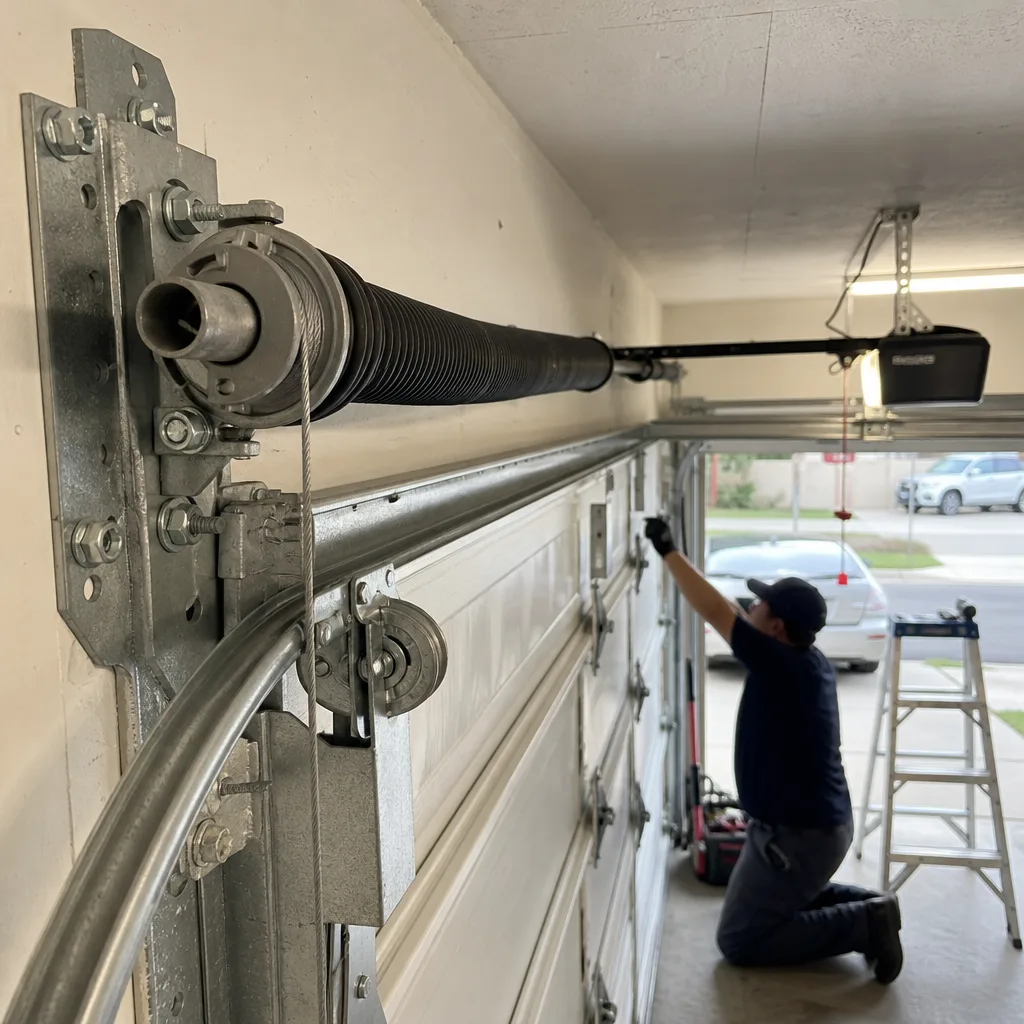 After
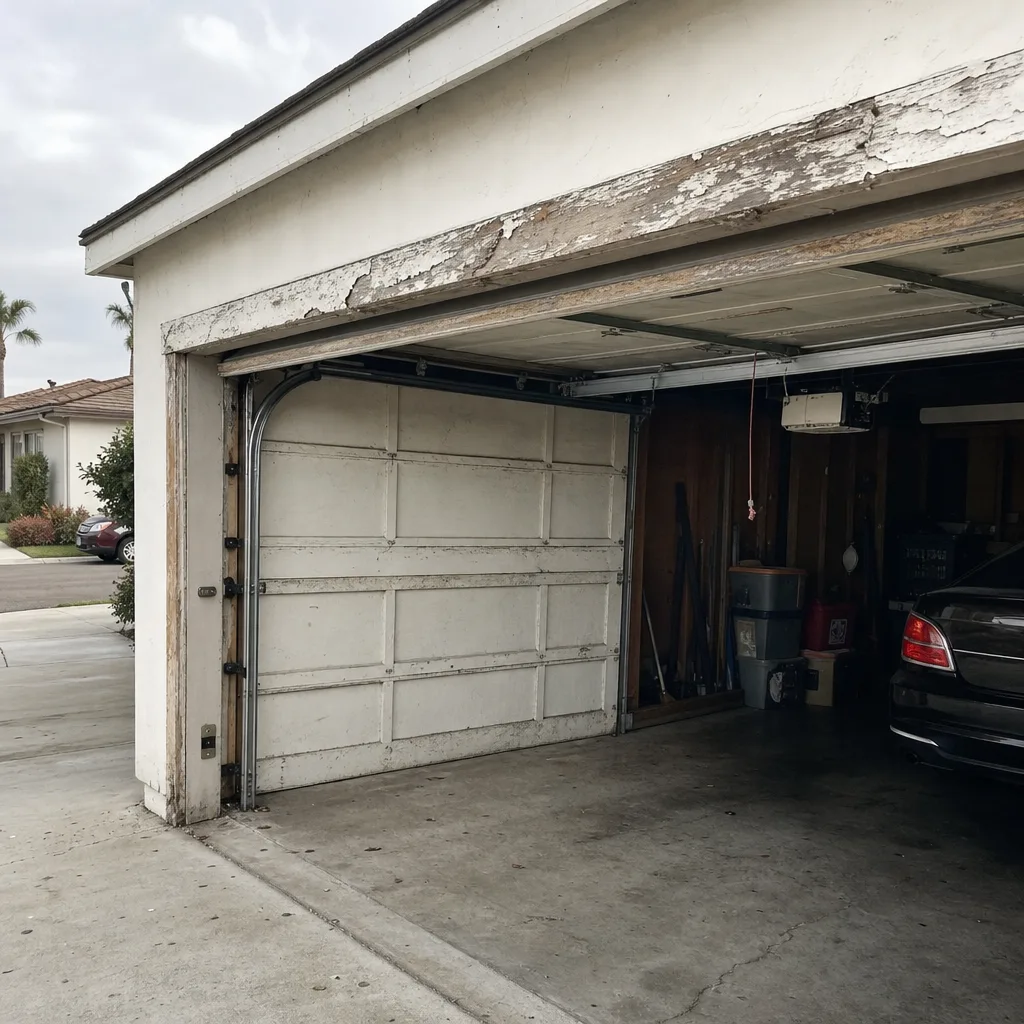 Before
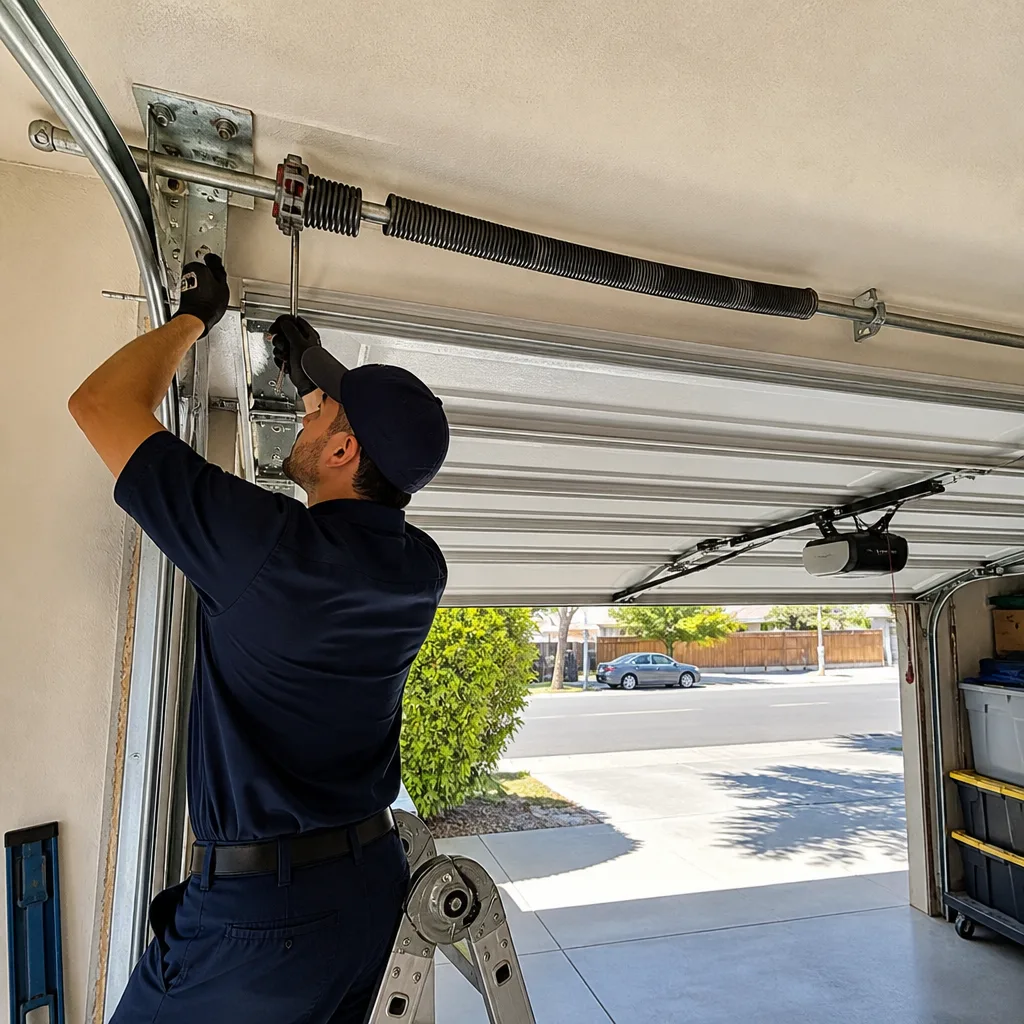 After
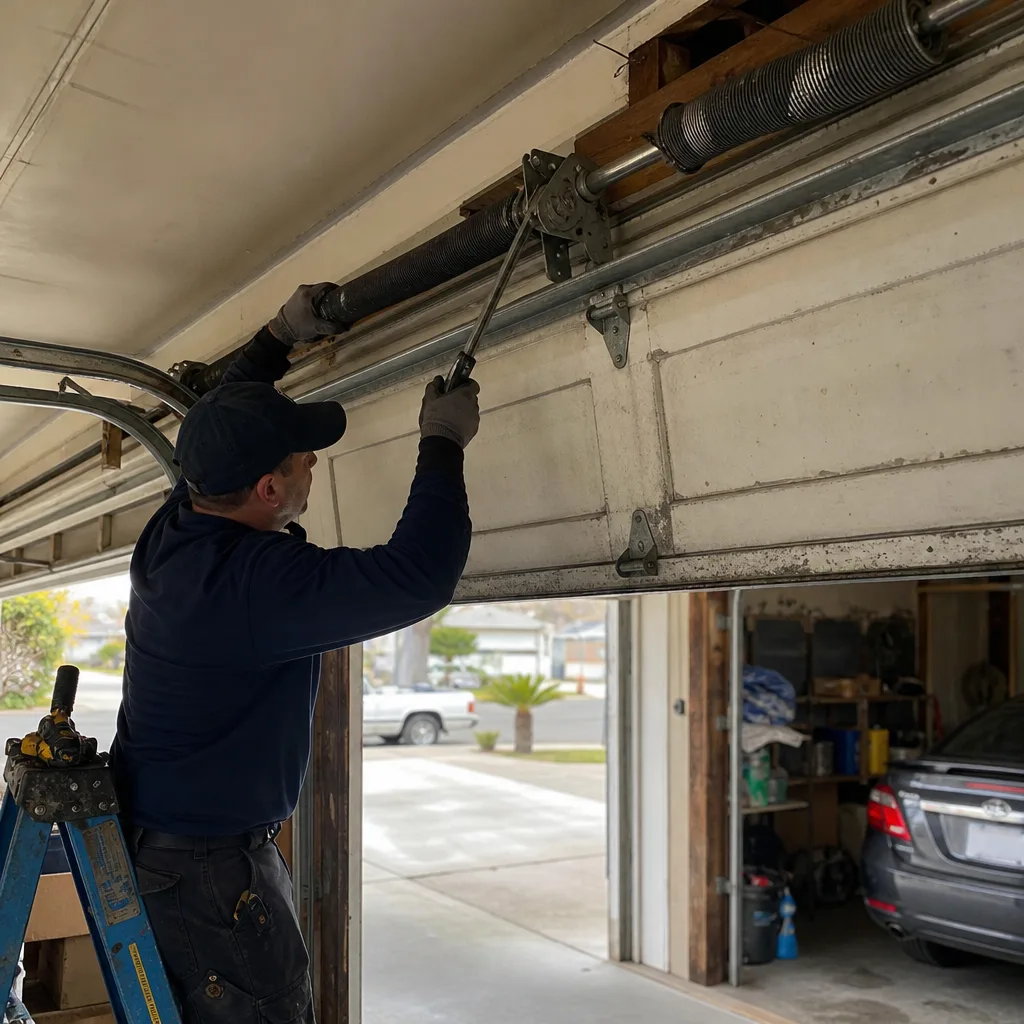 Before
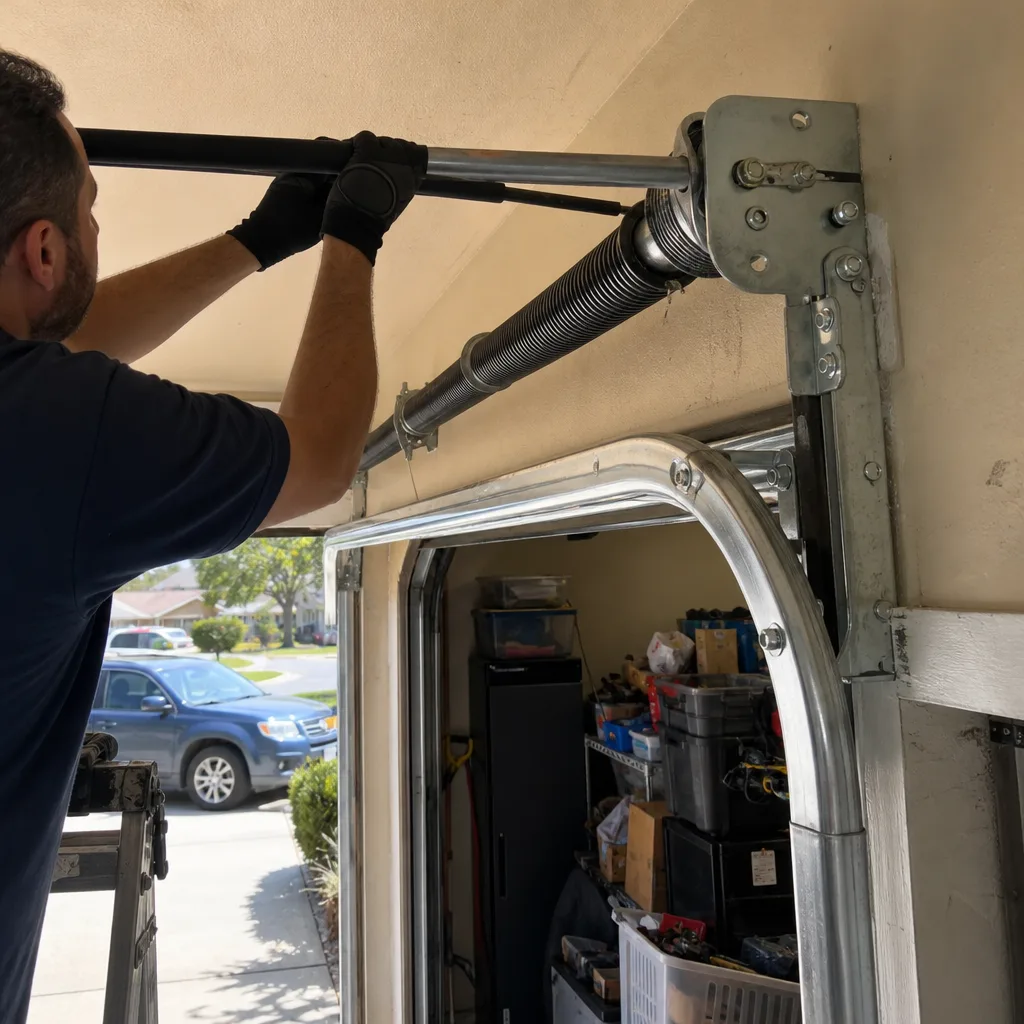 After