Last updated October 30, 2026
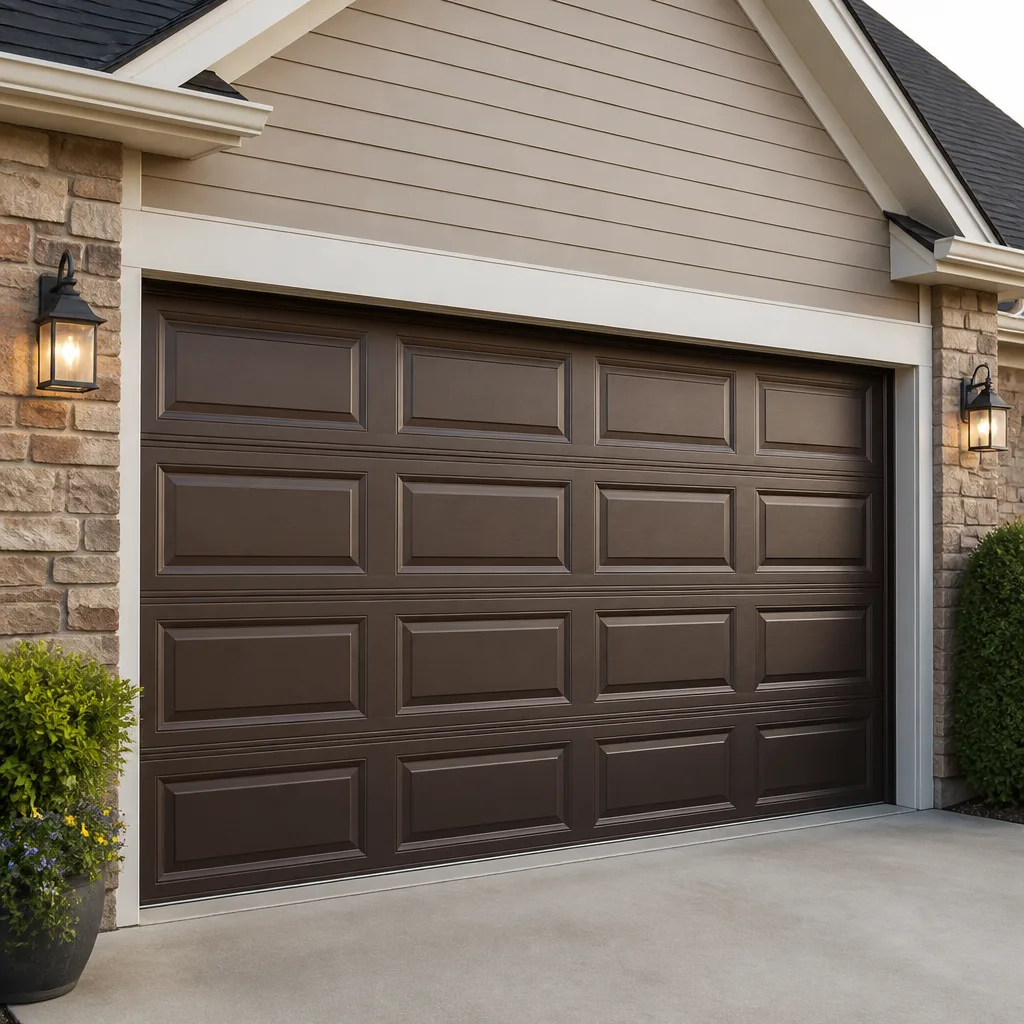 Raised-panel steel
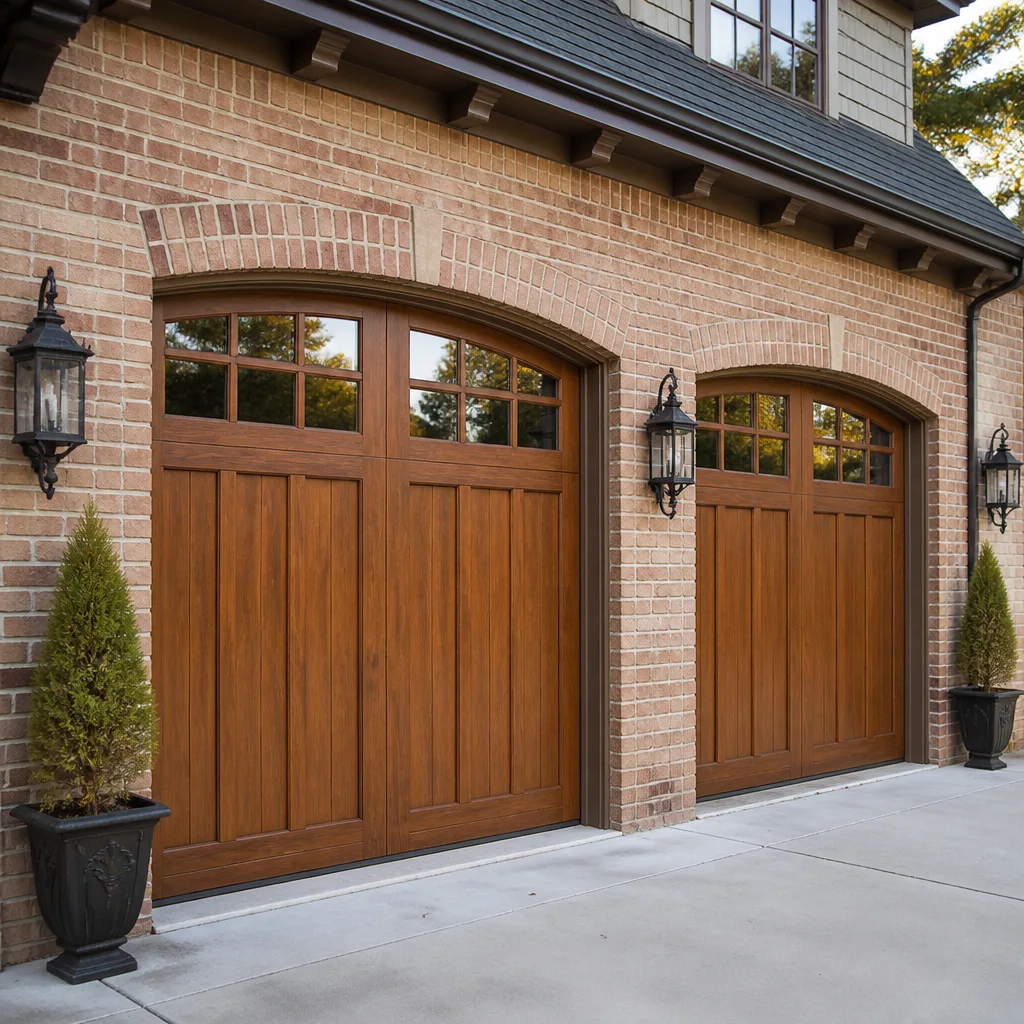 Carriage house
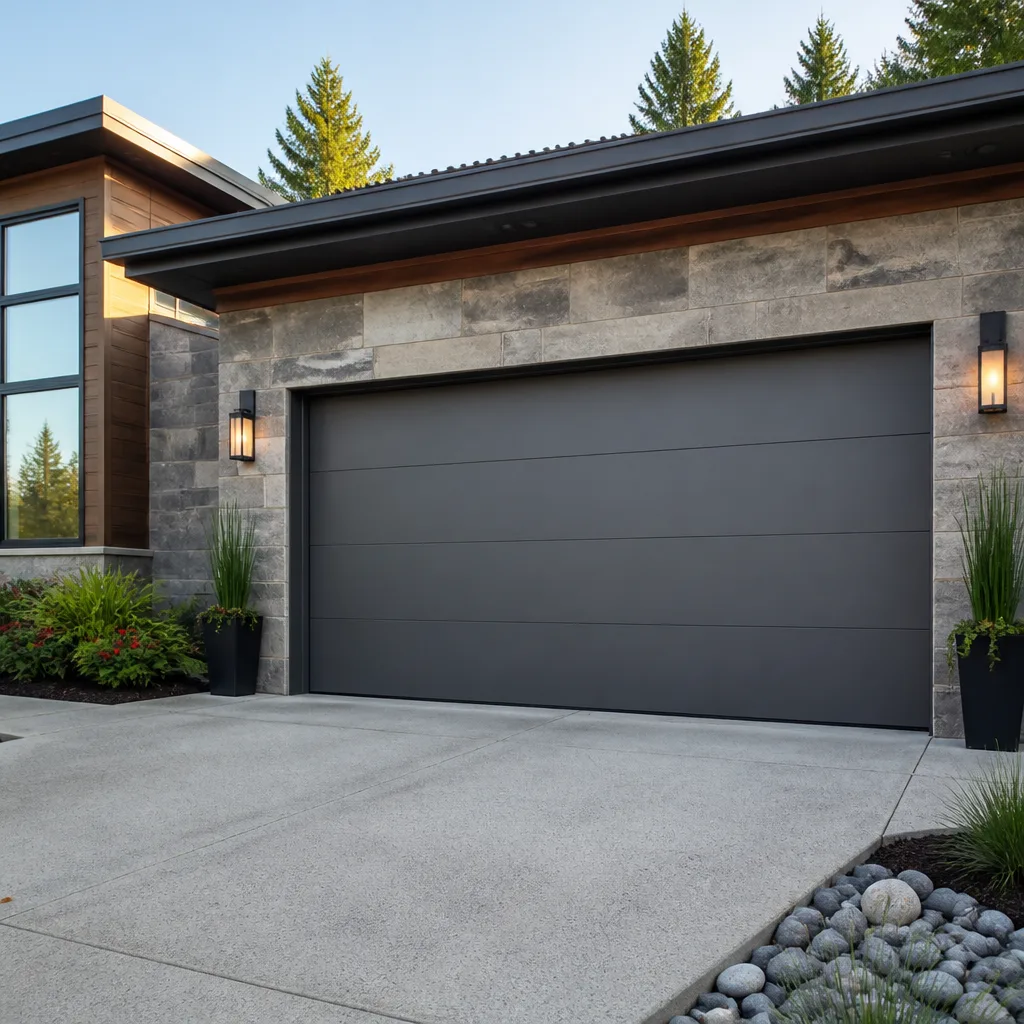 Modern flush
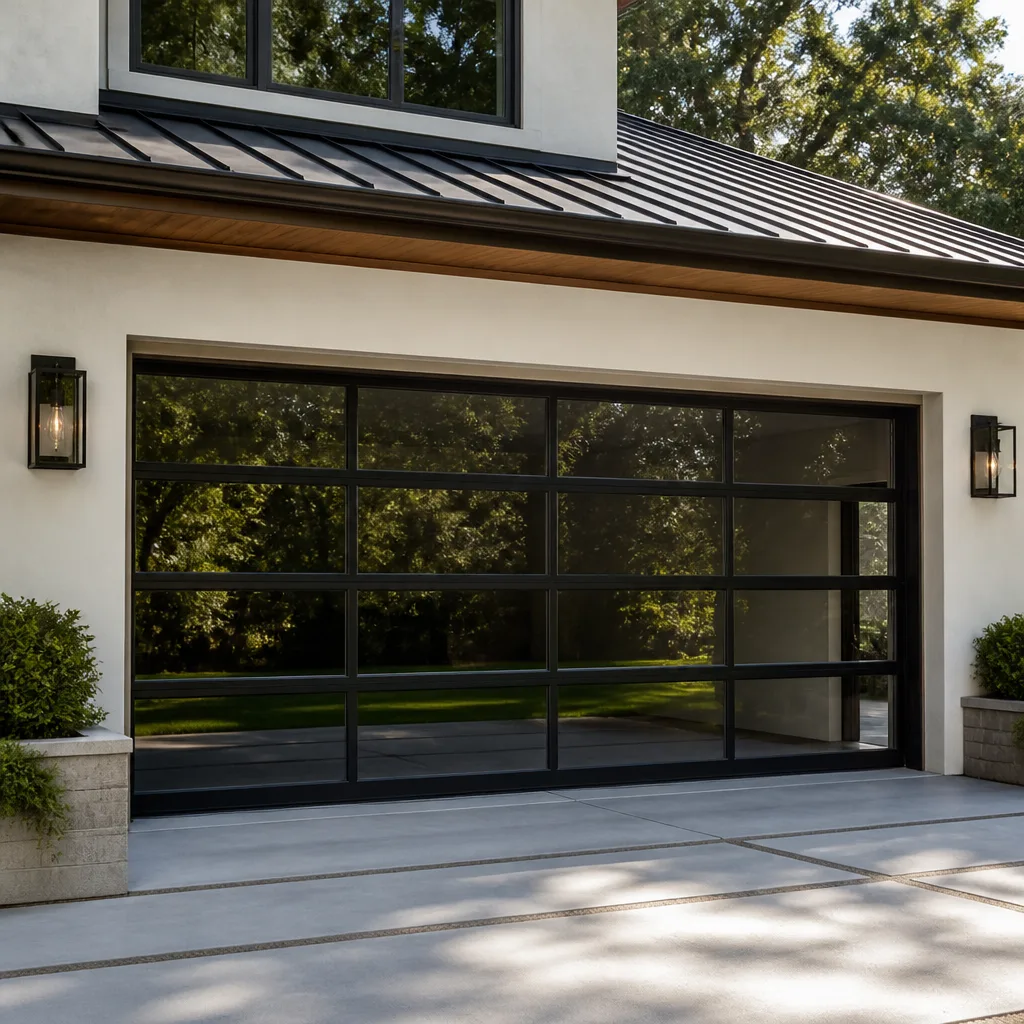 Full-view glass
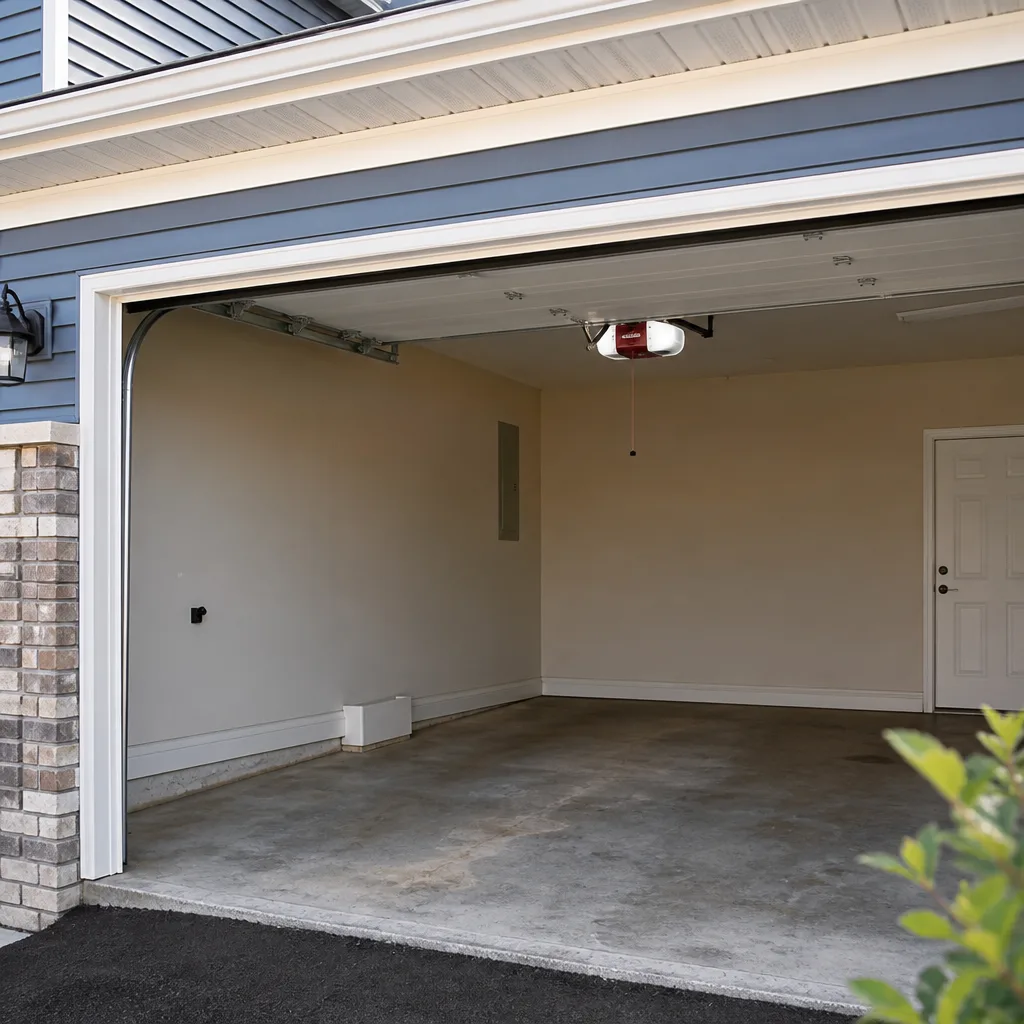 LiftMaster openers
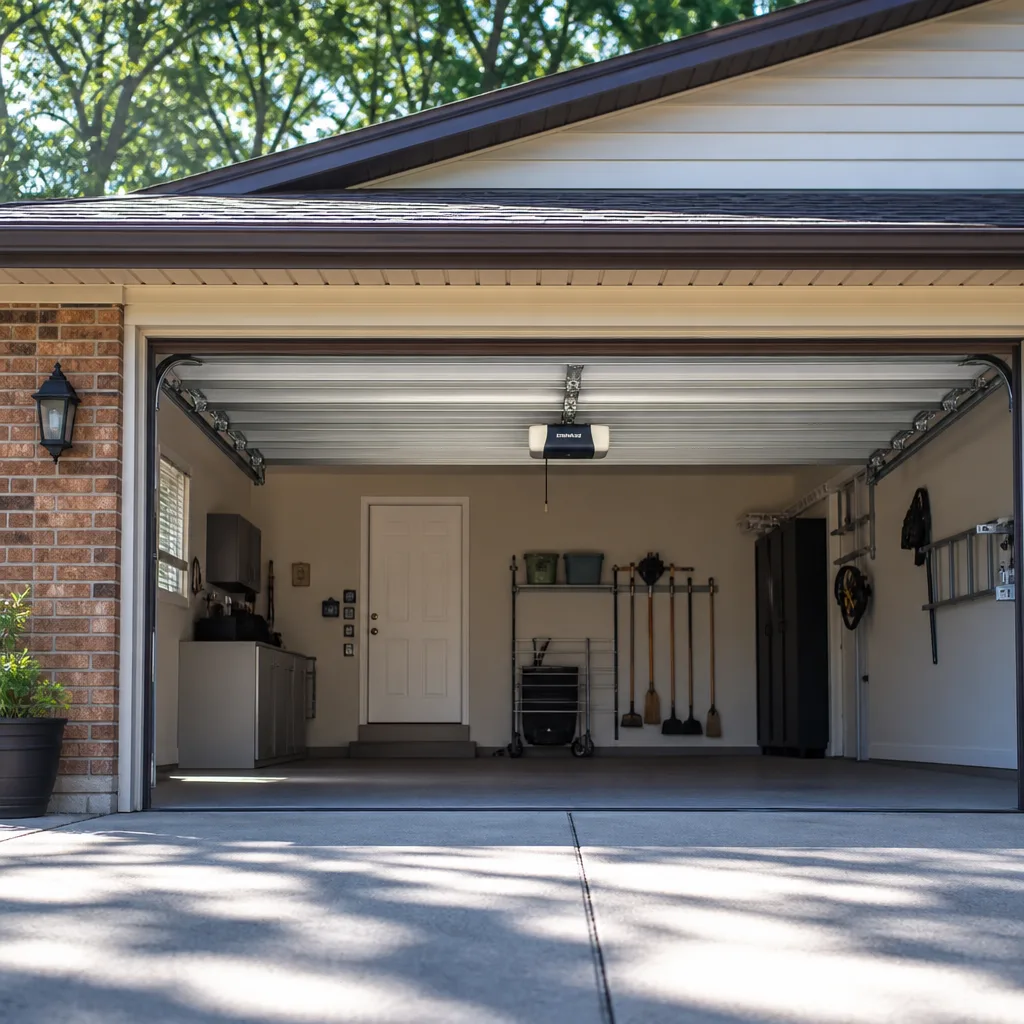 Chamberlain openers
Full 25-point door and opener safety check with every visit - springs, cables, rollers, tracks, and your LiftMaster or Chamberlain opener included
You get a price before we start. It does not change when the truck arrives.
Get your free estimateChoosing the Right Garage Door Brand: A Buyer’s Guide for Chula Vista
Clopay is the most-installed residential garage door brand in the United States. Yet in Chula Vista, where salt air rolls off San Diego Bay and HOA architectural committees in Eastlake and Otay Ranch approve door profiles months before you ever shop, brand reputation only matters if the product fits your street, your neighborhood standards, and the specific wear pattern of your door opening. This guide teaches you how to evaluate garage door brands on the three factors that actually determine long-term satisfaction: local service coverage, HOA pre-approval patterns, and material performance in coastal California conditions.
Styles & brands we work with
Quick Answer
The best garage door brand for most Chula Vista homeowners is Clopay for steel and composite doors, Amarr for value-tier steel with solid warranty coverage, and Wayne Dalton for specific HOA-approved carriage profiles. Your final choice should be driven by three factors most buyers skip: which brands have authorized service dealers with parts inventory in the South Bay, which product lines your HOA has already approved, and which panel construction holds up to coastal UV and humidity cycles without rust or finish degradation.
Table of Contents
- Why HOA Approval Patterns Should Come First in Chula Vista
- Salt Air and UV: How Coastal Conditions Affect Door Materials by Brand
- Clopay vs. Amarr vs. Wayne Dalton: A Line-by-Line Comparison
- Authorized Dealers and Parts Inventory in the South Bay
- Opener Ecosystem Fit: Door Brand Compatibility with LiftMaster and Chamberlain
- Warranty Fine Print: What Component-Level Coverage Actually Means
- Installation Standards by Brand: What Homeowners Should Ask Before Buying
- Common Mistakes to Avoid
- When to Call a Professional
- Frequently Asked Questions
- The Bottom Line
Why HOA Approval Patterns Should Come First in Chula Vista
In Chula Vista’s largest planned communities, the HOA architectural review process is not a formality. Eastlake, Otay Ranch, Rolling Hills Ranch, and the Village communities each maintain design standards documents that specify acceptable garage door profiles, panel styles, and finish colors. If you order a door that does not match those standards, you are looking at a re-order, a restocking fee, and potentially weeks of delay while your home sits with an unapproved door.
What we have observed across hundreds of garage door installations in Chula Vista is that HOAs here tend to approve certain recurring configurations. The most common is a raised-panel steel door in white, almond, or sandtone. The second most common is a carriage-house profile in a wood-look finish, usually with decorative strap hinges and a crossbuck design. The third, less common but present in upper-tier sections of Eastlake, is a full-view aluminum door with frosted or tinted glass, usually for homes with street-facing garage orientation where the HOA wants a more contemporary look.
The brand implication is straightforward. Clopay’s Gallery Series and Coachman Series carry the carriage-house profile most often pre-approved by Chula Vista HOAs. Amarr’s Classica collection offers a similar profile at a lower price point, but the specific embossing depth and finish color vary slightly from the Clopay equivalent. If your HOA has cited a specific profile in its standards document, the safest path is to match that profile exactly rather than approximate it. Wayne Dalton’s carriage equivalents exist in their 8000 and 9700 series, but the profile details differ enough that we have seen HOA rejections on finish color matching alone.
Before you shop any brand, pull your HOA’s design review packet. Look for the section on garage doors. Note the exact panel profile nomenclature, the acceptable color palette, and any requirements for window inserts. With that document in hand, a brand comparison becomes a functional exercise rather than an abstract one. You are no longer comparing Clopay versus Amarr in the abstract. You are comparing Clopay’s Gallery Collection model 5400 against Amarr’s Classica 3000 against the specific profile your HOA will approve. That is a comparison you can act on.
We work on the door you have and the door you are planning to install. If you are mid-review with your HOA and need a second opinion on product fit, call us at (833) 467-4256. We can confirm which local product lines have passed review in your specific community.
Salt Air and UV: How Coastal Conditions Affect Door Materials by Brand
Chula Vista sits close enough to San Diego Bay and the Pacific that salt-laden air reaches most neighborhoods, especially in the western half of the city and anything within a few miles of the water. Combine that with intense Southern California UV exposure and you have a specific material stress test that not every garage door construction passes equally well. The difference between brands shows up most clearly in steel gauge thickness, primer quality, and the chemistry of the exterior finish layer.
Steel doors from Clopay, Amarr, and Wayne Dalton all use galvanized steel substrates, but the gauge matters. Clopay’s premium lines use 24-gauge steel on the panel face, while their entry-tier lines use 27-gauge. Amarr’s mid-tier Classica uses 25-gauge with a polyester finish rated for UV stability. Wayne Dalton’s 8000 series uses 26-gauge steel with a baked-on enamel finish that we have seen hold up well in the salt-air zones of western Chula Vista, but the lower-cost 500 series uses thinner steel that shows accelerated rust at the panel edges after five to seven years of coastal exposure.
What most buyers do not realize is that the finish warranty and the rust-through warranty are separate things, and the fine print varies by brand. Clopay’s steel doors typically carry a 1-year finish warranty at the entry tier and up to 15-year finish coverage on premium lines like the Gallery Series, with a limited lifetime rust-through warranty on most steel constructions. Amarr’s finishes carry a similar tiered structure, with the Classica line offering a 10-year finish warranty and limited lifetime on the steel substrate. Wayne Dalton’s finish warranties tend to run 1 to 2 years at entry-level, which is a meaningful gap for coastal homes where UV fade is relentless.
The real-world pattern we see in Chula Vista is that doors with polyester topcoats or PVDF coatings hold color and gloss notably better than doors with basic enamel finishes. If your home faces west or southwest with direct afternoon sun exposure, that UV load will fade a basic enamel finish visibly within four to six years. If your neighborhood is west of Interstate 805 and closer to the bay, the salt-air factor compounds the rust risk at panel edges, hinge points, and the bottom weather seal channel. In our experience across the garage door repairs we perform in Chula Vista, rust at the bottom panel is the single most common corrosion failure, and it correlates strongly with entry-tier steel doors in coastal locations.
For homes in Otay Ranch, Eastlake, and the inland eastern sections of Chula Vista, the salt-air risk drops significantly, and UV becomes the dominant finish stressor. In those neighborhoods, a mid-tier painted steel door from any of the three brands will perform well. For homes west of the 805, we advise stepping up to a heavier gauge steel and a higher-tier finish, or considering a composite construction if the HOA allows it.
Clopay vs. Amarr vs. Wayne Dalton: A Line-by-Line Comparison
The three brands that dominate Chula Vista’s residential garage door market each have strengths, and the differences are not evenly distributed across their product lines. A brand-level comparison is almost useless because each manufacturer builds a wide quality range. The right comparison is line-by-line.
Clopay: Strongest Premium and Carriage-House Options
Clopay’s strongest position in Chula Vista is at the mid-to-premium tier. The Gallery Series is the most HOA-approved carriage-house line we encounter in Eastlake and Otay Ranch, with a steel substrate, composite overlay panels, and a wide finish palette. The Coachman Series is the vinyl-backed steel carriage line at a lower price point. Clopay’s steel construction tends to use heavier gauge panels at equivalent price points compared to competitors, and their factory priming process is thorough. The trade-off is price: Clopay’s premium lines cost more than Amarr equivalents, and availability can be slower for non-stocked models. Clopay also manufactures under the Ideal brand at a value tier, but those models are less common in Chula Vista’s installed base.
Amarr: Best Value-to-Warranty Ratio in the Mid-Tier
Amarr’s Classica collection is the value champion for Chula Vista homeowners who want a steel carriage-house look without paying Clopay Gallery prices. The Classica 3000 offers a steel substrate with composite carriage-house overlays, a decent finish warranty, and a price point that typically lands 10 to 15 percent below an equivalent Clopay Gallery model. Amarr’s Heritage series covers the raised-panel traditional profile that many HOAs prefer for standard suburban elevations. Where Amarr lags Clopay is in the depth of the wood-grain embossing on the carriage overlays; up close, the texture is slightly shallower, which can matter if your HOA compares the door against a sample during final review. Amarr’s warranty coverage at the mid-tier is solid, and their distribution network through local dealers in the South Bay is strong, which means parts for common Amarr lines are usually available without a factory order.
Wayne Dalton: Specific Profiles, Variable Construction Quality
Wayne Dalton’s position in Chula Vista is uneven. Their 9700 series is a legitimate premium steel door with a wood-grain finish and strong insulation values, and it appears in some higher-end Otay Ranch homes. The 8000 series is a serviceable mid-tier steel door. Below that, the 500 series is an entry-level door that we do not recommend for coastal Chula Vista locations because of the thinner steel and shorter finish warranty. Wayne Dalton’s carriage profiles in the 8000 series do not always match the specific carriage look that Chula Vista HOAs request; where Clopay and Amarr have multiple carriage profile options, Wayne Dalton’s range is narrower. The most important practical consideration with Wayne Dalton is the torque-master spring system used on some of their doors. That system is proprietary, and not every garage door company carries the parts. We do, because we service all three brands regularly, but a generalist contractor may not.
For a buyer in Chula Vista, the practical takeaway is this. If your HOA wants a premium carriage profile and you want the longest realistic service life near the coast, Clopay’s Gallery Series is the safest move. If you want a similar look at a lower price and your home is not in a high-salt exposure zone, Amarr’s Classica is the value pick. Wayne Dalton makes sense when a specific 9700 series profile matches your HOA’s requirement or when your home already has a Wayne Dalton door and you are replacing like-for-like to avoid track and hardware changes.
Authorized Dealers and Parts Inventory in the South Bay
This is the factor that most buyer guides skip entirely, and it is the one that will matter most to you when something goes wrong. Every garage door will need service at some point. Sections, rollers, springs, hinges, operator brackets, weather seals, and opener components all wear. The question is how long you wait for a replacement part when a failure happens.
In the South Bay, the brands with the strongest local parts availability are Clopay and Amarr. Both operate through authorized dealer networks that stock common sections, hardware kits, and replacement components at regional distribution points serving Chula Vista, National City, and the broader San Diego South Bay. For a common Clopay Gallery or Amarr Classica model, a replacement section or hardware kit is often available within one to three business days, sometimes same-day from a well-stocked local dealer.
Wayne Dalton is different. Some Wayne Dalton components, particularly the proprietary torque-master spring system and specific 9700 series hardware, require factory order. Factory order lead times in our experience run two to four weeks. That is not a criticism of Wayne Dalton’s product quality; it is a practical reality of their distribution model. If you own a Wayne Dalton door with a torque-master spring and the spring fails, you will be quoted a factory lead time unless your service provider happens to stock that specific spring. We stock common Wayne Dalton torque-master springs because we see enough of them in Chula Vista to justify it, but not every company does.
What does this mean for your brand decision? If you are comparing two doors that both satisfy your HOA and both fit your budget, check parts availability for the specific model before you buy. Ask the dealer or installer this question directly: “If a section gets damaged or a spring fails in three years, what is your realistic lead time for replacement parts on this exact model?” The answer will tell you more about long-term ownership cost than any brochure.
Chula Vista’s geographic position also matters here. The South Bay is served by dealer networks that prioritize San Diego metro delivery, which keeps parts lead times shorter than they would be in a smaller market. But that advantage only applies to brands with active local dealerships. When a brand lacks a strong South Bay dealer presence, even a common part defaults to factory order timelines.
Opener Ecosystem Fit: Door Brand Compatibility with LiftMaster and Chamberlain
The garage door and the garage door opener are separate purchases in most cases, but they are not separate systems. They interact mechanically every cycle, and the long-term smart home integration depends on the opener’s platform more than the door’s. For Chula Vista homeowners who want Wi-Fi control, battery backup, and integration with platforms like Amazon Key, Apple HomeKit, or the myQ app, the opener brand decision is actually more forward-looking than the door brand decision.
LiftMaster and Chamberlain openers dominate Chula Vista’s installed base. They share the myQ smart platform, which is the de facto standard for garage door smart home integration in Southern California. Genie openers have their own Aladdin Connect platform, and Craftsman openers are manufactured by the same parent company as LiftMaster and Chamberlain, using compatible accessory ecosystems. When it comes to the door itself, compatibility is rarely a hard constraint. A properly balanced Clopay, Amarr, or Wayne Dalton door will pair correctly with a LiftMaster or Chamberlain opener as long as the opener’s horsepower rating matches the door’s weight and size.
The practical consideration is opener selection at the time of door installation. If your HOA-approved door is heavier due to insulation, wood-look composite overlays, or a full-view glass construction, the opener needs adequate lifting capacity. A standard 1/2 horsepower opener that worked fine on a lightweight non-insulated door may struggle on a heavier insulated steel door from Clopay’s Gallery line or Amarr’s Classica. We regularly pair doors with LiftMaster’s belt-drive openers for quieter operation in attached-garage Chula Vista homes, and we recommend side-mount jackshaft openers for properties where the garage ceiling is low or where overhead clearance is tight, which is common in older western Chula Vista neighborhoods with original 1950s and 1960s garages.
For smart home integration, the myQ ecosystem from LiftMaster and Chamberlain is the most broadly supported platform in Chula Vista, with direct integrations for Amazon Key in-garage delivery, Ring, Google Assistant, and Apple HomeKit through compatible bridge hardware. If you are buying a door and opener together, the door brand matters less for smart integration than the opener brand. We service garage door openers across Chula Vista and see the same pattern repeatedly: homeowners buy a premium door and pair it with a bargain opener, then wonder why the smart features underdeliver. The opener is the brain of the system. Spend proportionally on it.
Warranty Fine Print: What Component-Level Coverage Actually Means
Garage door warranties are not monolithic. They are split by component, and the phrase “limited lifetime warranty” covers far less than it sounds like it covers. Understanding the component-level breakdown is the single most valuable thing you can do before signing a purchase agreement.
The components to evaluate separately are the steel section substrate, the exterior finish, the springs, the hardware, and the opener. Each has its own coverage term and its own exclusions.
Steel section substrate. This is where “limited lifetime” appears most often. Clopay, Amarr, and Wayne Dalton all offer limited lifetime rust-through coverage on their mid-to-premium steel doors. The key word is rust-through. Surface rust, the kind that starts at the bottom panel edge after years of coastal exposure in western Chula Vista, is typically not covered. Rust-through means the steel has corroded completely through the panel. In practice, a Chula Vista homeowner with a rusted bottom panel at year eight on an entry-tier door is unlikely to get a warranty replacement. On a premium door with a stronger primer and finish, rust-through is rare, so the lifetime coverage is largely a marketing signal rather than a practical benefit.
Exterior finish. Finish warranties run from 1 year on entry-tier doors to 15 years on premium lines. UV fade is the most common finish failure in Chula Vista’s climate, and finish warranty claims are difficult because fade is subjective and wear-based. The practical takeaway: if finish longevity matters to you, buy a door with a polyester or PVDF topcoat rather than relying on a finish warranty.
Springs. Spring warranties vary significantly. Most standard torsion springs carry a 1-year or 2-year warranty regardless of door brand. High-cycle springs, which use a heavier wire gauge and are rated for 25,000 to 30,000 cycles or more, may carry a 5-year or longer warranty. Amarr offers high-cycle spring upgrades on their premium lines, and Clopay offers similar upgrades through its authorized dealers. Wayne Dalton’s proprietary torque-master spring carries a limited coverage window on the spring assembly, but the enclosure tube and cable mechanisms have their own exclusions. In Chula Vista, where the dry climate does not accelerate spring fatigue significantly, a standard spring on a typical two-car door may last 7 to 10 years with normal use. If you cycle your door more than four times daily, upgrading to high-cycle springs is worth the cost at the time of purchase.
Hardware. Hinges, rollers, brackets, and tracks typically carry a 1-year warranty from most brands. Rollers are a wear item. Nylon rollers outlast steel rollers and run quieter, which matters for attached garages in Chula Vista where a bedroom sits above the garage. We recommend nylon rollers on most installations regardless of brand.
Opener. Opener warranties run the full range from 1-year for basic models to lifetime motor coverage on premium LiftMaster and Chamberlain models. The lifetime coverage applies to the motor only, not the gear assembly, belt, logic board, or rail. The gear assembly and belt are wear items with shorter coverage. When comparing opener warranties, look at the motor coverage, the parts coverage, and the belt coverage separately. A lifetime motor warranty on an opener with a 1-year parts warranty is less valuable than it sounds.
The best warranty protection you can get in Chula Vista is a combination of three things: a door with a high-tier finish warranty suited to your UV exposure, high-cycle springs if your usage is above average, and an opener with solid motor and parts coverage. Beyond that, the quality of the installation itself is the biggest determinant of long-term reliability. A great door installed poorly will fail sooner than a mid-tier door installed correctly. This is where the installer’s brand fluency matters more than the brand’s warranty terms, because an installer who knows the specific hardware and tolerances of the door you bought is less likely to introduce problems that fall outside warranty coverage.
Installation Standards by Brand: What Homeowners Should Ask Before Buying
Every garage door manufacturer publishes an installation manual with specific torque specifications, track spacing tolerances, and balance-test procedures. In theory, any competent installer should follow these. In practice, the installer’s familiarity with a given brand makes a measurable difference in how closely the installation matches factory specifications.
Here is a step-by-step evaluation process we recommend for any Chula Vista homeowner comparing installation options:
- Ask which brands the installer carries directly, not just which brands they can order. A dealer with direct purchasing agreements with Clopay or Amarr has shorter lead times and better warranty claim support than a contractor who orders through a third-party distributor.
- Ask for a written breakdown of what the installation includes. The quote should specify whether it includes the removal and disposal of the old door, new track, new springs, new hardware, and the opener if applicable. Some low-bid quotes in Chula Vista exclude the disposal fee or reuse old track, which shortens the new door’s service life.
- Ask how the installer balances the door after installation. A properly balanced door holds its position at mid-travel when released manually. If the installer cannot demonstrate this, the springs were not correctly sized or tensioned, and the opener will carry excessive load from day one.
- Ask about wind-load reinforcement if your home is in a high-wind zone. Some sections of eastern Chula Vista experience Santa Ana wind gusts that stress door panels. Wind-load-rated doors require specific reinforcement struts, and the requirement varies by door width and brand.
- Ask whether the quote includes a final walkthrough of the smart features. If the opener has myQ, the installer should pair it with your home Wi-Fi and demonstrate remote control from your phone before leaving. This step is commonly skipped, and it is a meaningful part of what you are paying for.
In our work installing and repairing garage doors throughout Chula Vista, the difference between a rushed installation and a careful one shows up within the first year: a rattling panel, a noisy opener, a door that creeps when left open, a spring that loses tension prematurely. These are almost always installation quality issues, not brand defects. The brand matters, but the hands that install the door matter more.
Common Mistakes to Avoid
- Selecting a brand before checking HOA requirements. In Eastlake and Otay Ranch, architectural review committees reject doors for finish color, panel profile, or window insert style mismatches. Pull the design standards document before you fall in love with a specific door.
- Choosing an entry-tier steel door for a coastal location. Homes west of Interstate 805 in Chula Vista face real salt-air corrosion risk. An entry-tier door with 27-gauge steel and a basic enamel finish will show rust at panel edges within five to seven years. Step up to a heavier gauge and a better finish, or choose composite.
- Ignoring the difference between finish warranty and rust-through warranty. Limited lifetime rust-through coverage does not cover surface rust, which is the failure mode Chula Vista coastal homeowners actually experience. Pay attention to the finish warranty term for UV fade and the steel gauge for corrosion resistance.
- Buying a premium door and a budget opener. The opener is the most-used mechanical component in the system. A heavy insulated door paired with an underpowered opener fails prematurely. Match the opener to the door’s weight and your smart home needs.
- Overlooking spring cycle rating at the time of purchase. Most factory springs are rated for 10,000 cycles. If you use your door four or more times daily, that translates to roughly seven years of service. High-cycle springs cost more upfront and pay for themselves in avoided replacement calls.
- Not asking about parts lead times for the specific model. Some Wayne Dalton components and certain premium Clopay models require factory order. If a two-week parts wait during a door failure is unacceptable, choose a model with local parts availability and confirm that before you buy.
- Skipping the installer’s brand-specific experience. A contractor who installs every brand occasionally knows enough. A specialist who installs your brand daily knows the tolerances, the common failure points, and the proper adjustment procedures. That difference shows up in door balance, opener longevity, and noise levels.
When to Call a Professional
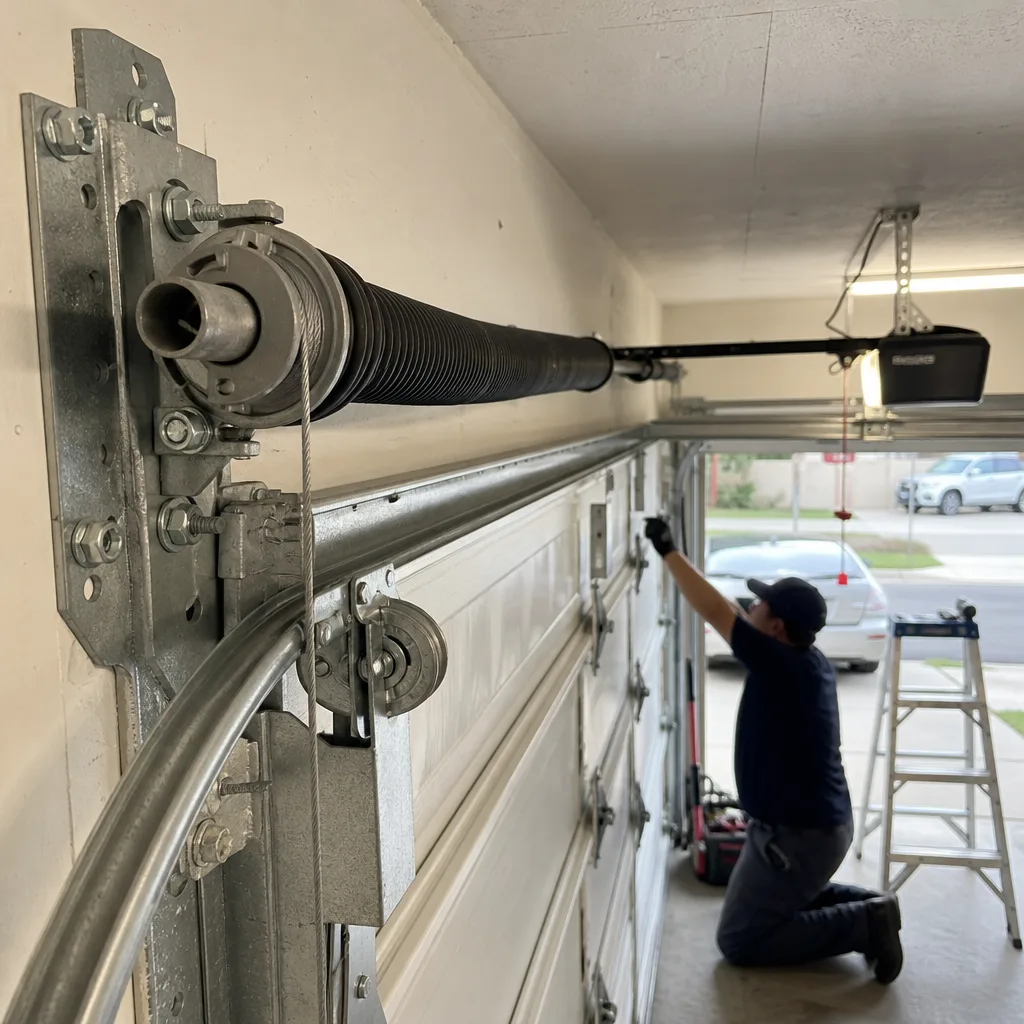
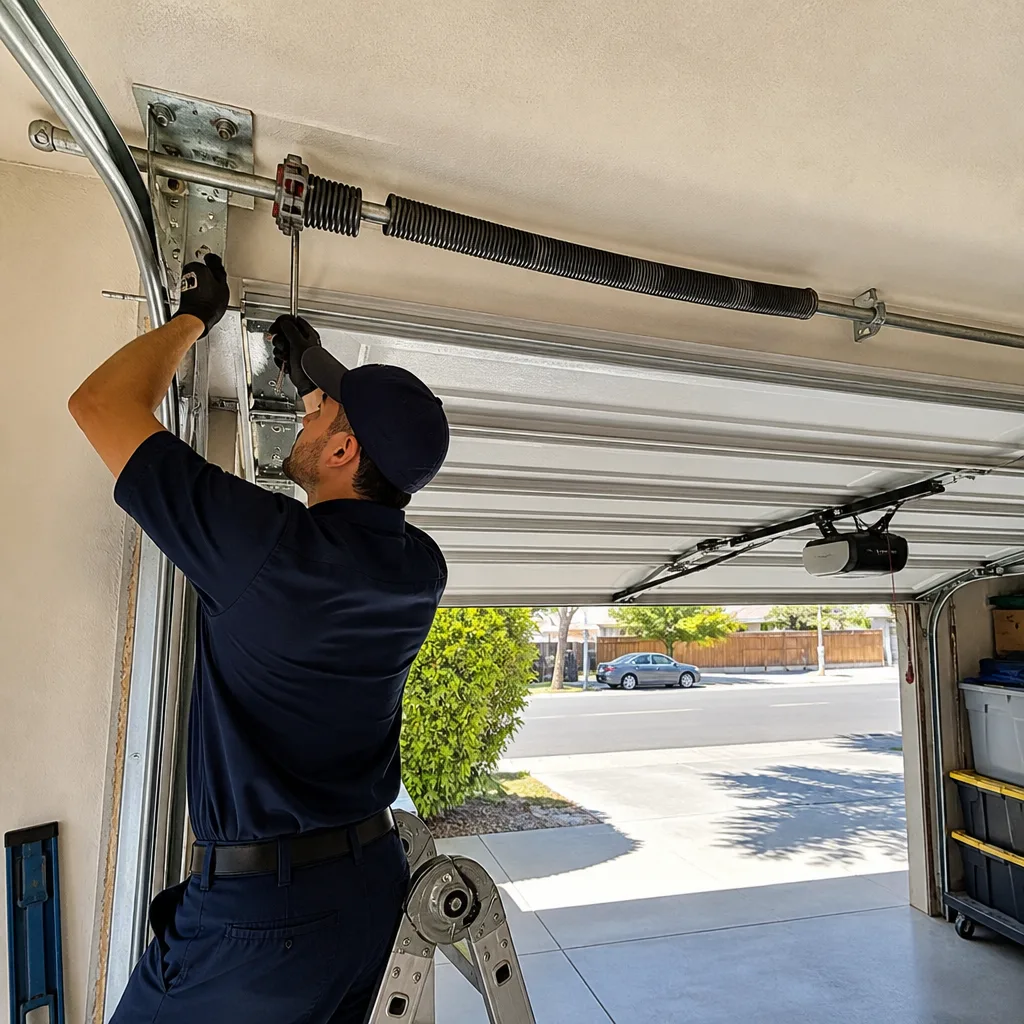
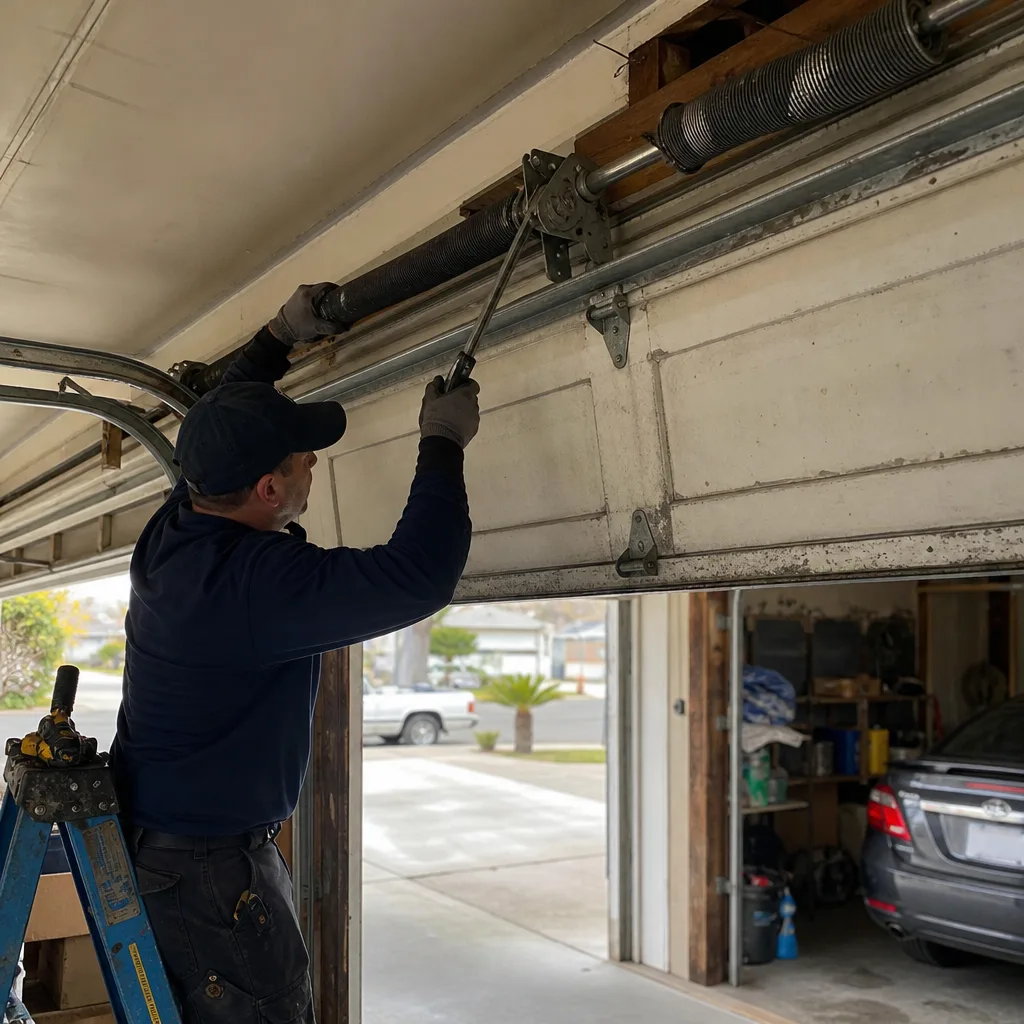
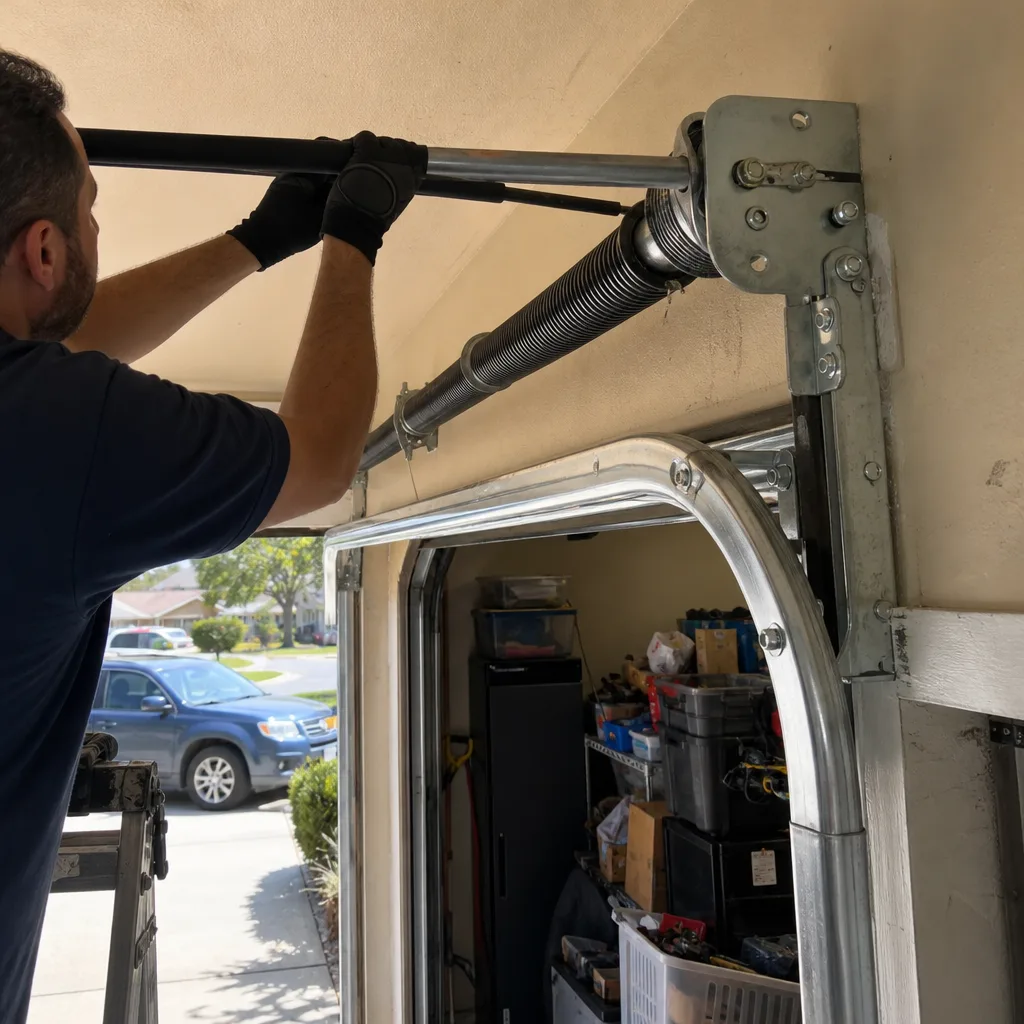
Garage door installation is not a weekend project, and garage door repair carries genuine safety risk. Torsion springs operate under enough tension to cause serious injury or death if they release unexpectedly. Cables under load can snap with more than enough force to lacerate. High-tension components should never be serviced by a homeowner working from internet instructions. If your door has a broken spring, a snapped cable, a bent track, or a panel that has jumped the track, stop using the door and call a professional. The same caution applies to opener replacement involving electrical wiring and to any installation requiring spring tensioning. Hallmark Garage Door Repair offers free estimates in Chula Vista. Call (833) 467-4256 and we will assess the door, explain your options in plain language, and quote the work before anything begins.
Frequently Asked Questions
For most Chula Vista homes, Clopay is the best overall choice for premium and carriage-house profiles, Amarr is the best value in the mid-tier, and Wayne Dalton works well for specific higher-end profiles. The right answer depends on your HOA’s approved profiles, your home’s distance from the coast, and your budget for the door and opener combined. Call (833) 467-4256 for a free consultation on which brand fits your specific situation.
A new garage door in Chula Vista typically ranges from $1,200 to $4,500 installed, depending on the brand, material, insulation level, and whether you replace the opener at the same time. Entry-level non-insulated steel doors start around $1,200 to $1,800 installed. Mid-tier insulated steel doors from Amarr or Clopay run $1,800 to $2,800. Premium carriage-house doors from Clopay’s Gallery Series or Amarr’s Classica with wood-look overlays run $2,500 to $4,500 or more. The price includes removal of the old door, new track, springs, and hardware on proper installations; beware of quotes that exclude disposal or reuse old track. Every quote we provide is agreed upon before work starts, so the price you are quoted is the price you pay.
Clopay offers the strongest combined finish and rust-through coverage on its premium lines, with up to 15-year finish warranties and limited lifetime rust-through on quality steel. Amarr offers solid mid-tier coverage with 10-year finish warranties on the Classica line. Wayne Dalton’s finish warranties on entry and mid-tier doors are shorter, typically 1 to 2 years. The most important warranty component to compare is the finish term, because UV fade and surface corrosion are the failures Chula Vista homeowners actually experience, while rust-through claims are rare.
Installing a garage door yourself is not recommended. Torsion springs carry lethal tension, and an improperly tensioned spring or a slipped winding bar can cause catastrophic injury. Beyond the safety risk, a DIY installation that deviates from factory torque and spacing specifications voids the door warranty and typically results in poor balance, premature spring failure, and excessive opener wear. Professional installation by a brand-fluent technician is the single best investment you can make in the door’s long-term performance. We recommend scheduling a free estimate at (833) 467-4256 before deciding to go the DIY route.
LiftMaster and Chamberlain openers are the most common pairings for Clopay and Amarr doors in Chula Vista, and they share the myQ smart home platform. For attached garages where noise matters, a belt-drive LiftMaster model is the preferred choice. For homes with low ceilings or tight overhead clearance, a side-mount jackshaft opener works well with both door brands and frees up ceiling space. Genie openers are also compatible and use the Aladdin Connect smart platform as an alternative to myQ. The key is matching opener horsepower to the door’s weight, not brand matching for its own sake.
For common Clopay and Amarr models, a replacement door can typically be ordered and installed within two to three weeks in Chula Vista, depending on the specific model and finish. Custom colors or non-stocked panels add lead time. Wayne Dalton models with factory-order components can take four to six weeks. If you need garage door repair in Chula Vista rather than full replacement, common parts and hardware are usually available same-day or next-day for Clopay and Amarr, while some Wayne Dalton components require factory order. Call (833) 467-4256 to get a realistic lead time for your specific door and needs.
The Bottom Line
The best garage door brand for your Chula Vista home is the one that clears your HOA review, survives your specific microclimate, and carries parts availability that matches your tolerance for downtime. Clopay leads on premium carriage profiles and coastal durability. Amarr offers the strongest mid-tier value. Wayne Dalton works for specific cases where its profiles and hardware fit the application. Whatever you choose, the installer’s brand fluency matters as much as the brand itself. A properly installed mid-tier door will outperform a poorly installed premium one. For a free estimate and brand-specific guidance, call Hallmark Garage Door Repair at (833) 467-4256.
Written by the team at Hallmark Garage Door Repair, serving Chula Vista since 2016.
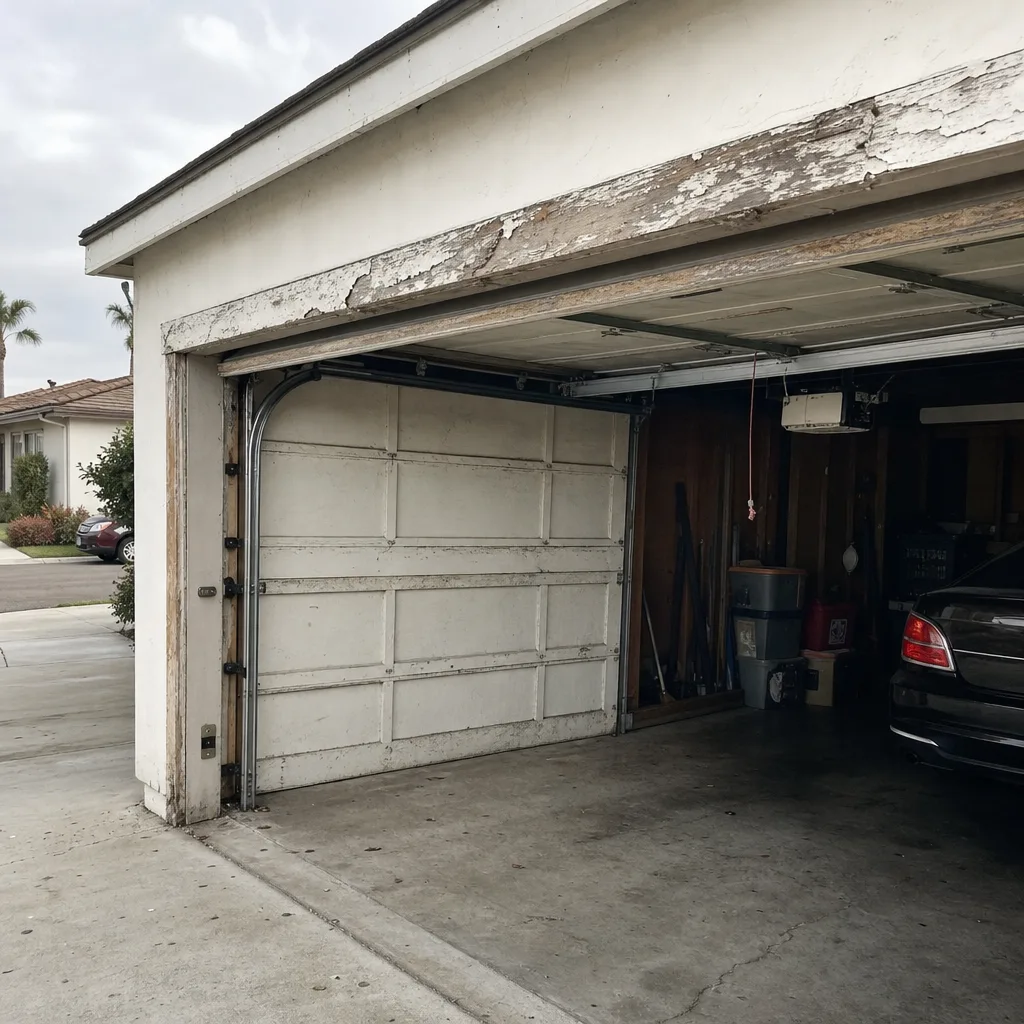
See the difference
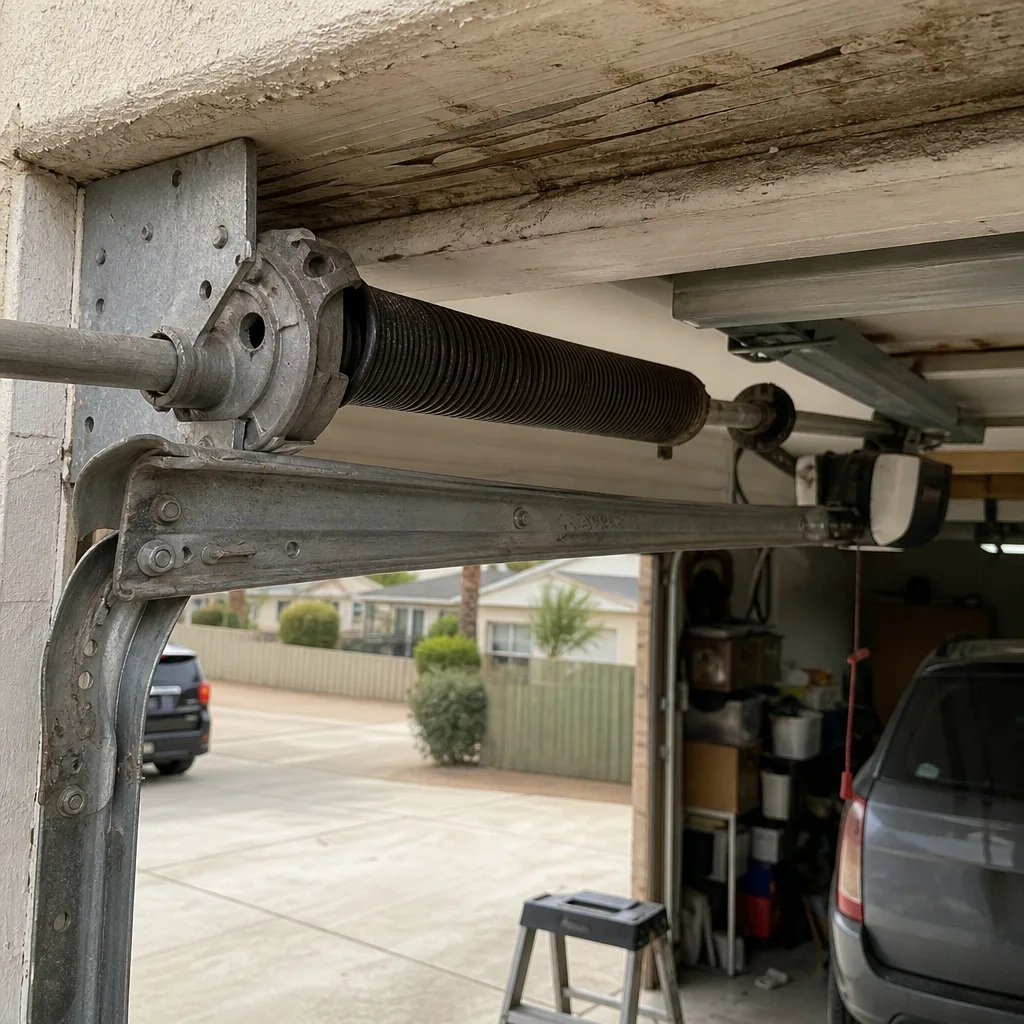 Before
 After
 Before
 After
 Before
 After